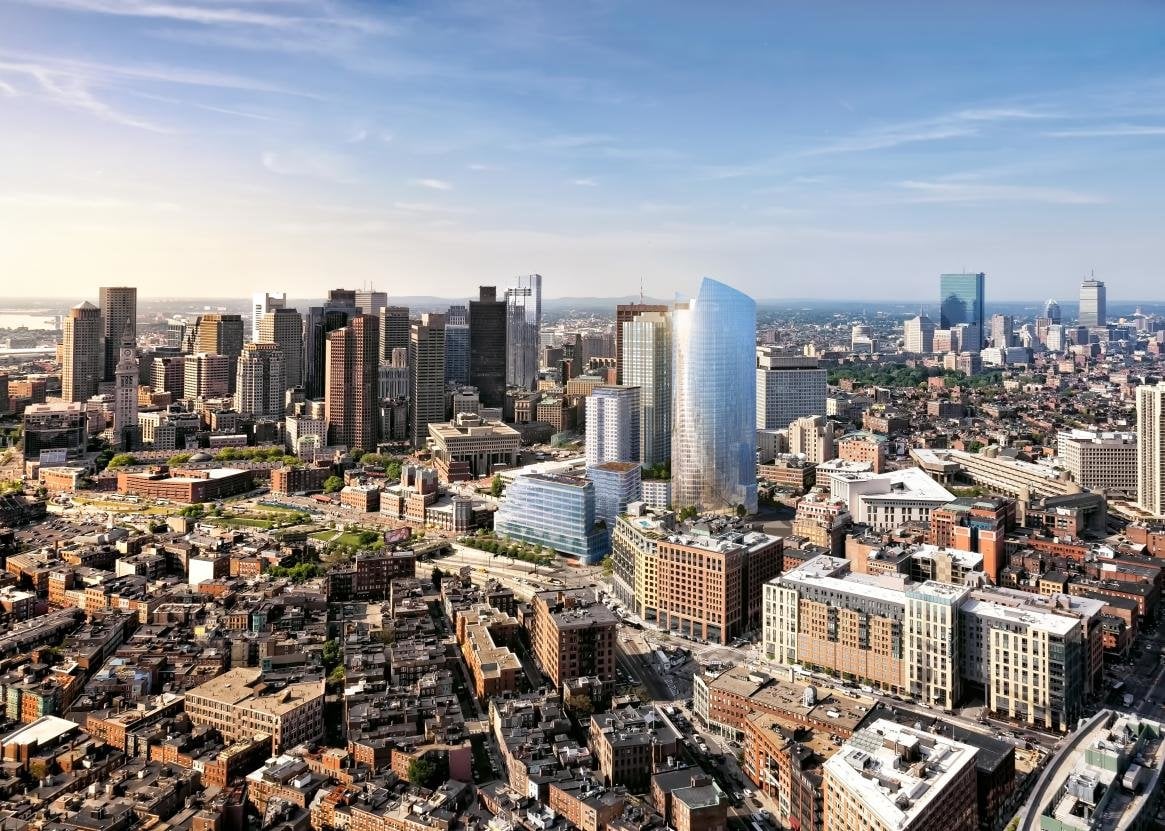
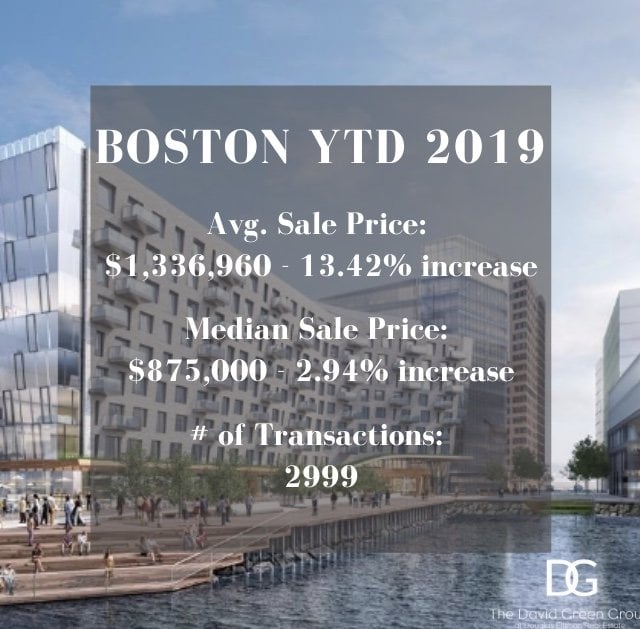
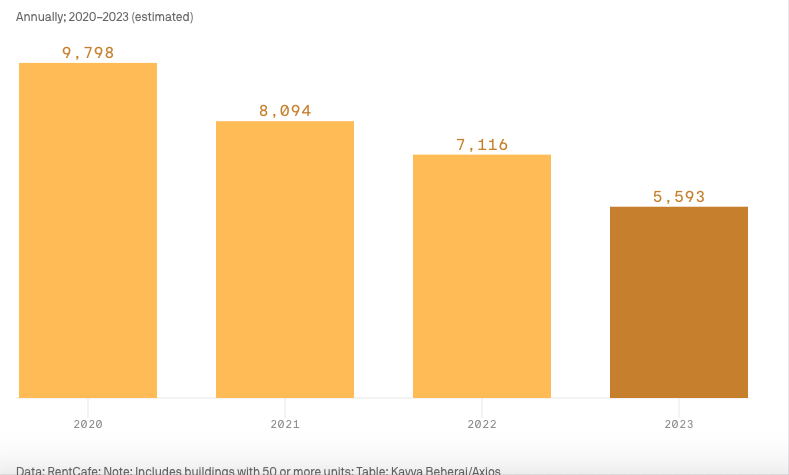
In a recent report, it's been revealed that Boston is anticipating the addition of approximately 5,593 new apartment units this year. While this is may seem like a significant number, it's worth noting that it represents just over half of the apartment units constructed in 2020. The real estate landscape in Boston is undergoing some interesting shifts, and here's what you need to know.  ##### \*\*A Decline in Construction\*\* Over the last three years, Boston has experienced a steady decline in new apartment construction, as indicated by a RentCafe analysis of data sourced from Yardi Matrix. This trend is part of a broader issue: a housing shortage that's impacting the entire United States. The scarcity of available housing has led to rising costs for both renters and homebuyers. Interestingly, Boston lags behind the national average when it comes to home construction permits issued. Last year, the city issued only half as many permits as the national average. ##### \*\*The Demand Dilemma\*\* A 2022 study by the nonprofit organization Up For Growth illuminated the severity of the problem. It found that Massachusetts needed a staggering 100,000 new housing units to meet the growing demand, and the shortfall between demand and newly built homes in the state had doubled between 2012 and 2019. In another report, Construction Coverage ranked Massachusetts near the bottom for housing production among states in the previous year. Meanwhile, rents in Boston remain high, with an average monthly rate of around $3,000, and prices continue to rise. ##### \*\*Hope on the Horizon\*\* Mayor Michelle Wu is exploring potential solutions, considering zoning reforms and tax incentives to encourage homebuilders to accelerate production. Recently, Boston planning authorities approved nearly 900 new units across the city, signaling a step in the right direction. However, Boston still has some ground to cover compared to other metropolitan areas. While the pandemic witnessed a surge in new apartment supply, with 1.2 million units completed nationwide, Boston hasn't quite kept pace with other growing cities. In fact, New York City is projected to lead the nation in 2023 with approximately 33,000 new apartment units, followed closely by Dallas-Fort Worth, Austin, and Miami. ##### \*\*The Challenge of Ownership\*\* For many first-time buyers, the Boston housing market can feel like an insurmountable challenge. Nationwide, nearly three-fourths of renters find themselves in areas where they simply can't afford to buy a home, according to a survey from RealPage, a real estate analytics and software company. ##### \*\*What Lies Ahead\*\* Despite the hurdles, there's hope on the horizon. Around 1 million rental units are scheduled for completion nationwide through 2025. However, it's essential to remain cautious, as higher costs and various challenges might slow down developers' pace in the coming years. In conclusion, Boston's housing market is at a crossroads, facing both challenges and opportunities. While the city grapples with a housing shortage and rising costs, initiatives like zoning reforms and increased construction efforts provide glimmers of hope for a more accessible and affordable future for Bostonians in search of a place to call home. * * *
Boston's New Apartment Construction is Drying Up
Discover the shifts in Boston's real estate landscape and what it means for renters and homebuyers.