If you want waterfront living in Boston without giving up easy access to the city, Charlestown deserves a closer look. This neighborhood blends harbor views, historic character, and practical commuting options in a way that feels both connected and residential. Whether you are searching for a condo by the water, a classic rowhouse, or simply a neighborhood with a strong sense of place, Charlestown offers a lot to consider. Let’s dive in.
Why Charlestown Stands Out
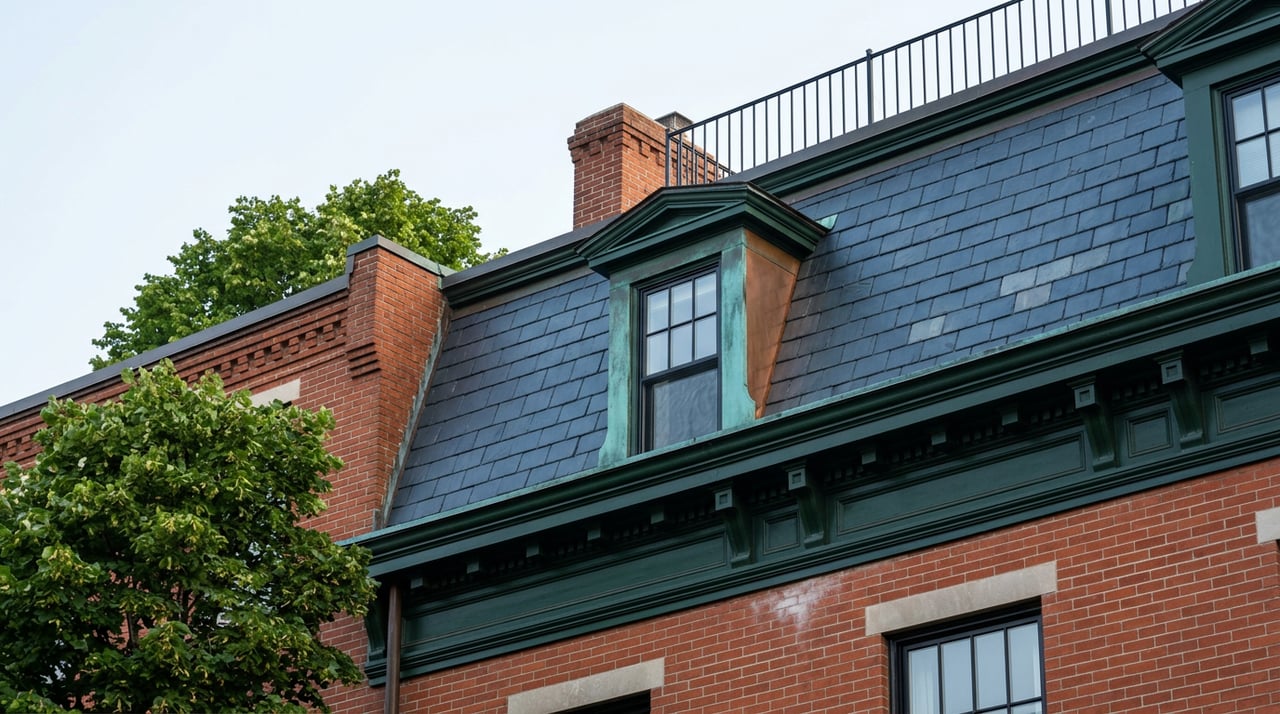
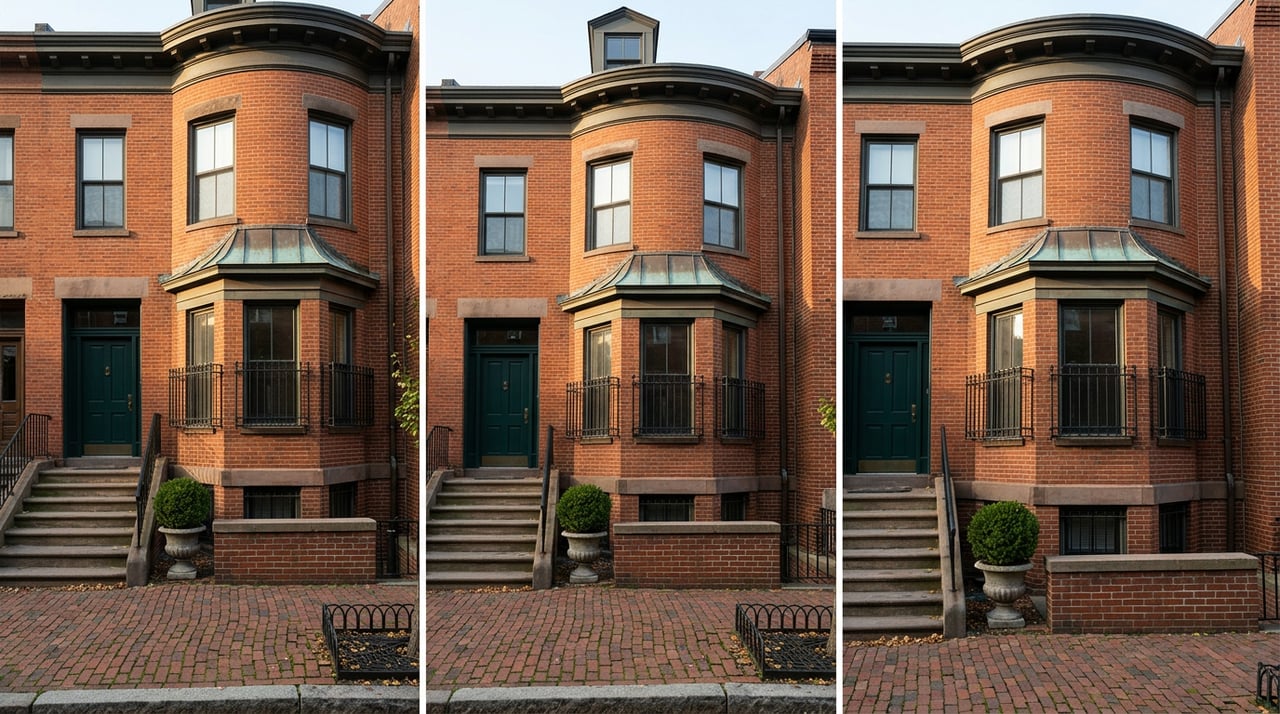
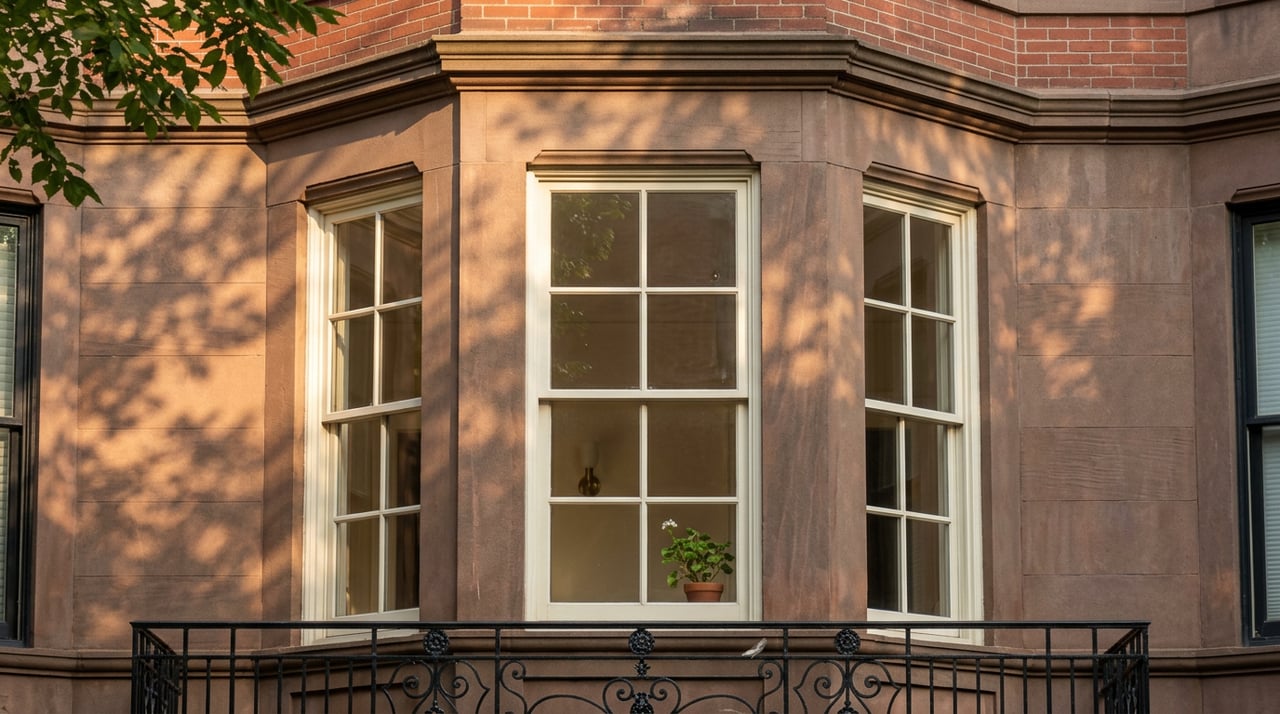
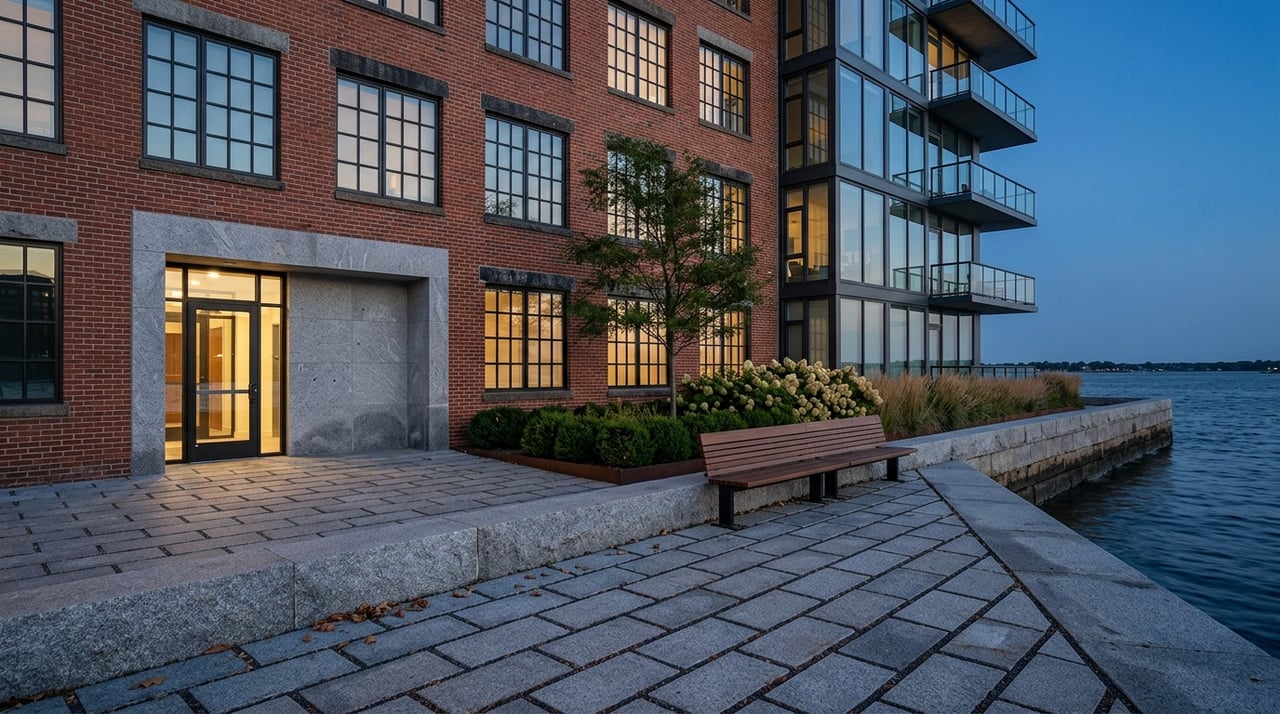
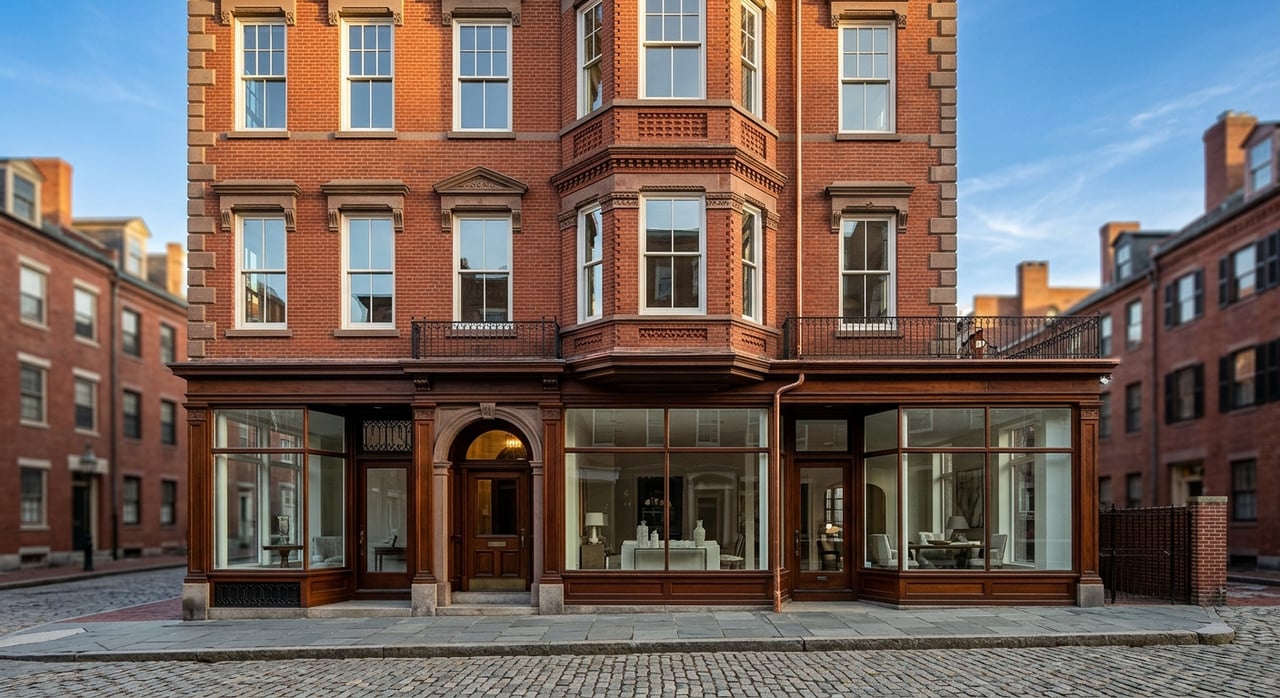
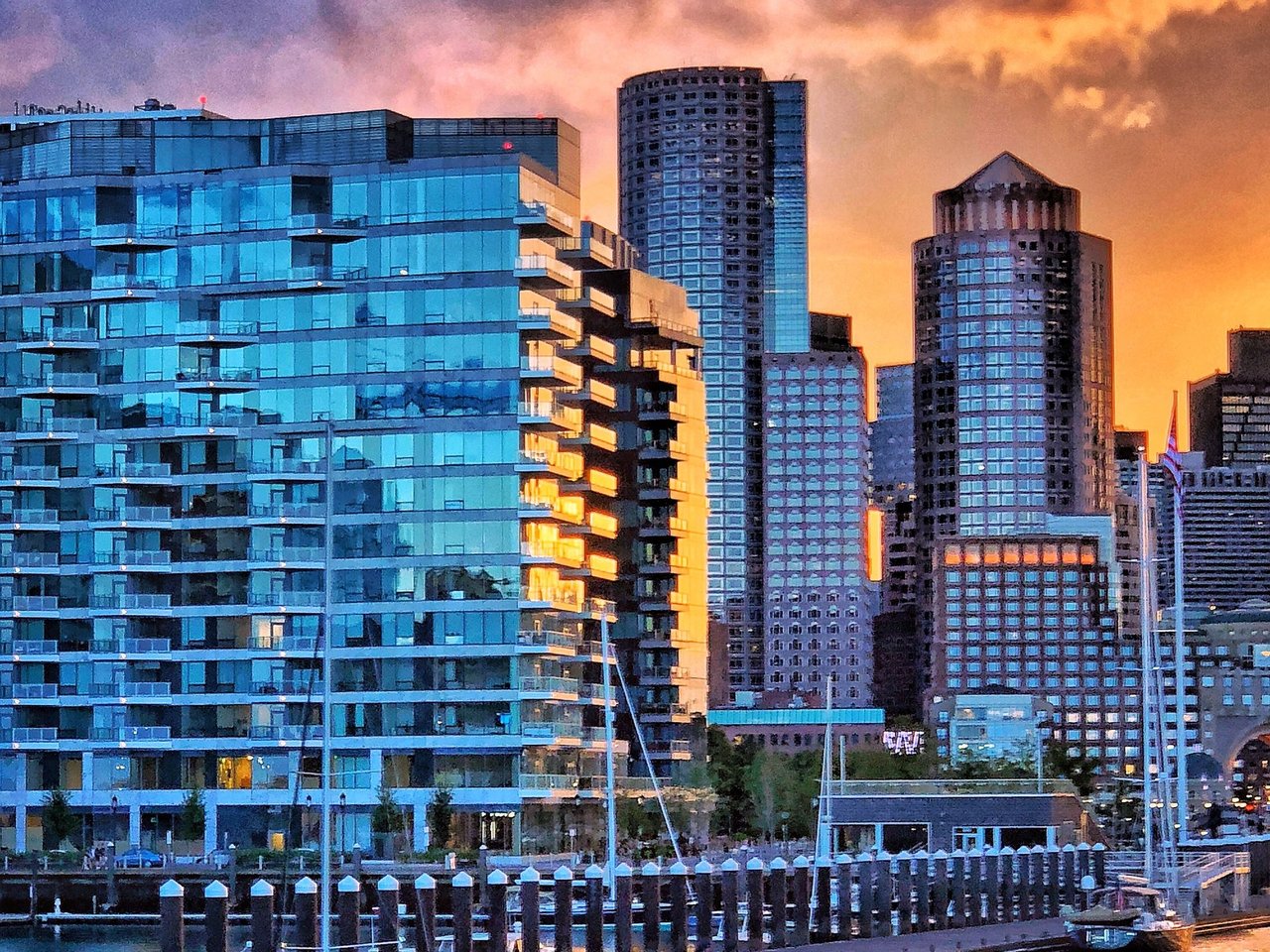
Charlestown is Boston’s oldest neighborhood, founded in 1629, and it sits just north of Downtown along Boston Harbor and the Mystic River. According to the Boston Planning & Development Agency neighborhood overview, the area includes brick and wood row houses, public housing, and newer waterfront condominiums and apartments.
That mix matters when you are comparing Boston neighborhoods. Charlestown is not defined by just one housing type or one lifestyle. You can find historic streets, newer multifamily options near the waterfront, and ongoing redevelopment that continues to shape the neighborhood.
Waterfront Living Feels Real Here
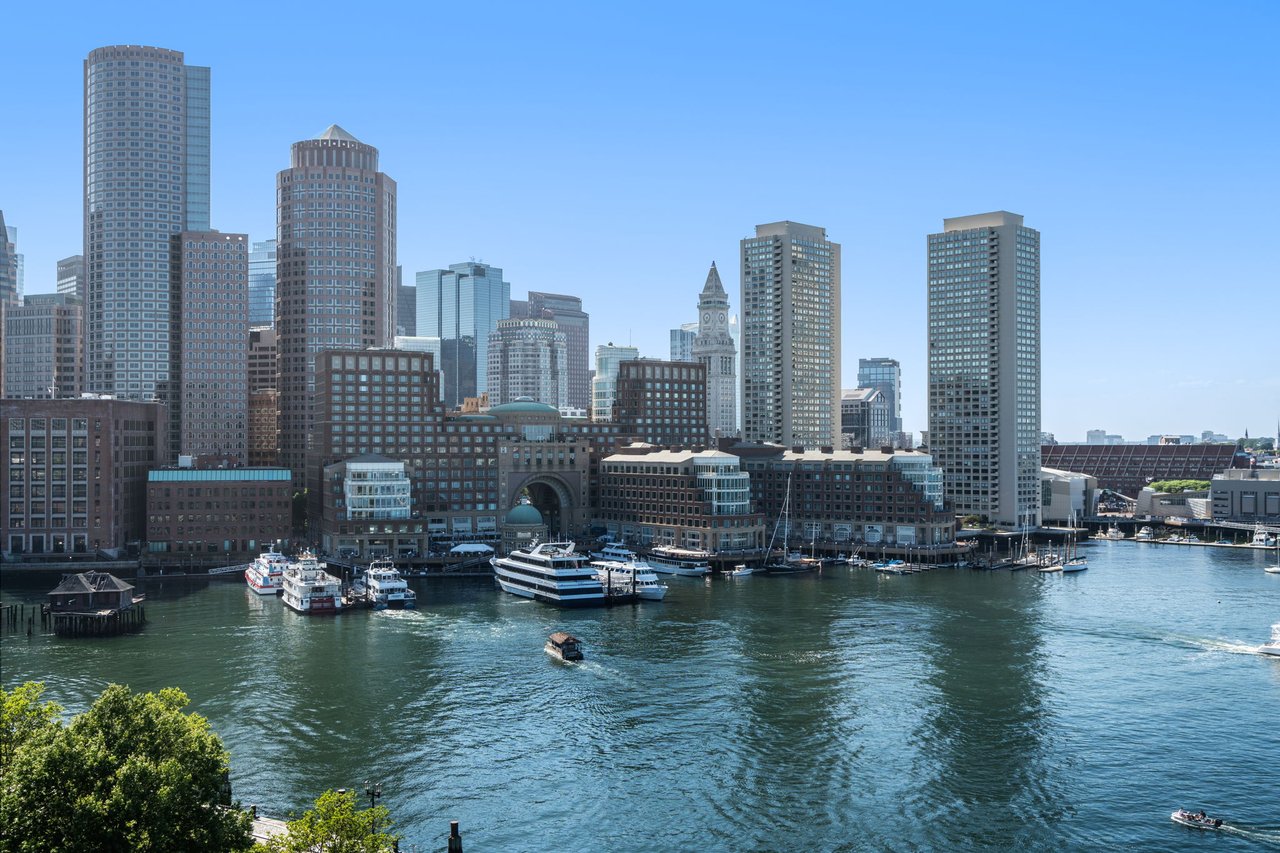
For many buyers and renters, the biggest question is simple: does Charlestown actually feel like waterfront living? In Charlestown, the answer is yes. The Charlestown neighborhood profile points to the Navy Yard, waterfront parks, and harbor-facing areas as central parts of the neighborhood experience.
The Charlestown Navy Yard is the clearest example. The National Park Service notes that the Navy Yard opened in 1800 and closed in 1974, and today it preserves major historic features including the USS Constitution, USS Cassin Young, Dry Dock 1, the Ropewalk, and the Commandant’s House.
What makes this especially appealing is the combination of water access and public space. The Navy Yard’s green spaces and piers give you skyline views and room to walk, sit, and take in the harbor. It feels different from a waterfront district that is only residential because Charlestown’s waterfront also carries maritime history and open public access.
Harborwalk And Open Space Add Daily Value
Waterfront living is about more than views from your windows. It is also about how the neighborhood feels when you step outside. In Charlestown, that day-to-day experience is supported by open spaces and waterfront connections.
The National Park Service says the ongoing flood resilience work in the Navy Yard will help formalize the Harborwalk connection into a more continuous pedestrian route along Charlestown’s waterfront. The same project is designed to improve links to ferries, tour boats, and walking and biking routes.
Beyond the waterfront edge, Charlestown also has a compact but meaningful network of parks and gathering spaces. The City of Boston’s Charlestown page highlights John Harvard Mall, Paul Revere Park, Thomas Menino Park, City Square Park, the Training Field, and Clougherty Pool.
The Training Field adds another layer of local character. Boston Parks describes it as a landscape that has served Charlestown for nearly 300 years in several roles, including open gathering space and memorial grounds. That kind of continuity helps explain why Charlestown often feels established rather than manufactured.
Historic Character Meets Modern Housing
One of Charlestown’s biggest strengths is its balance. If you are drawn to Boston’s older architecture but still want newer housing options, this neighborhood offers both.
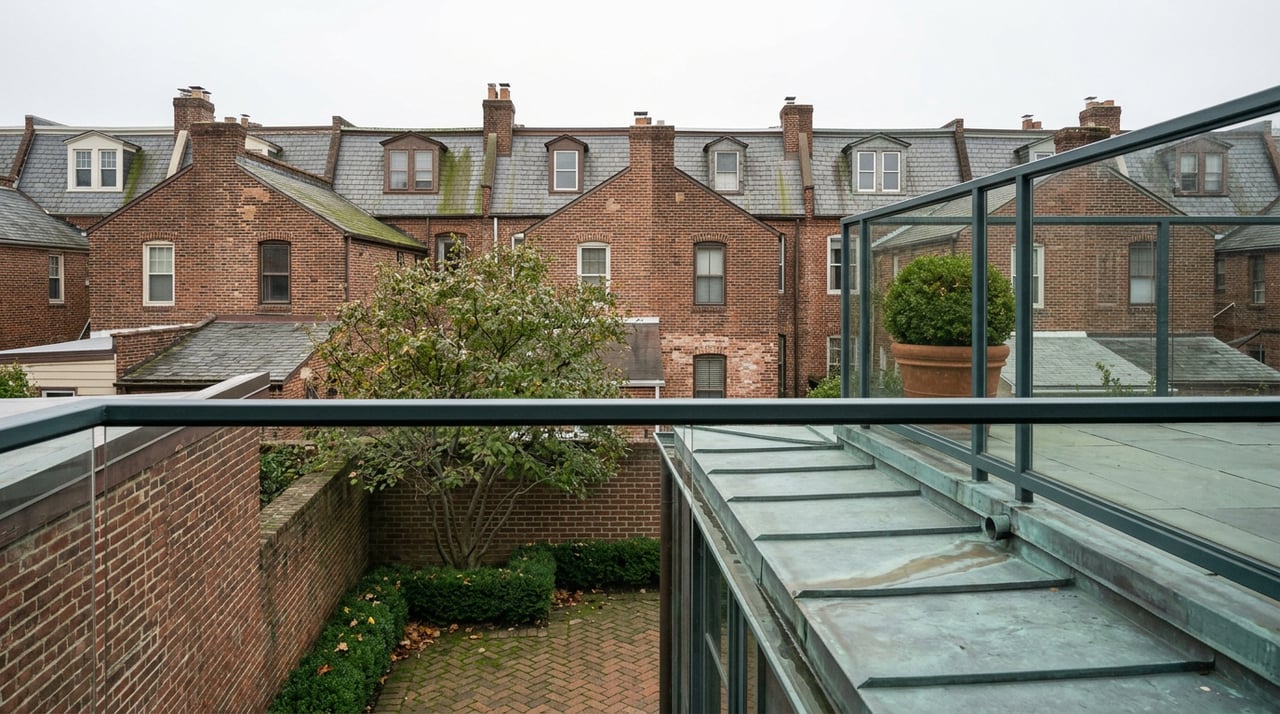
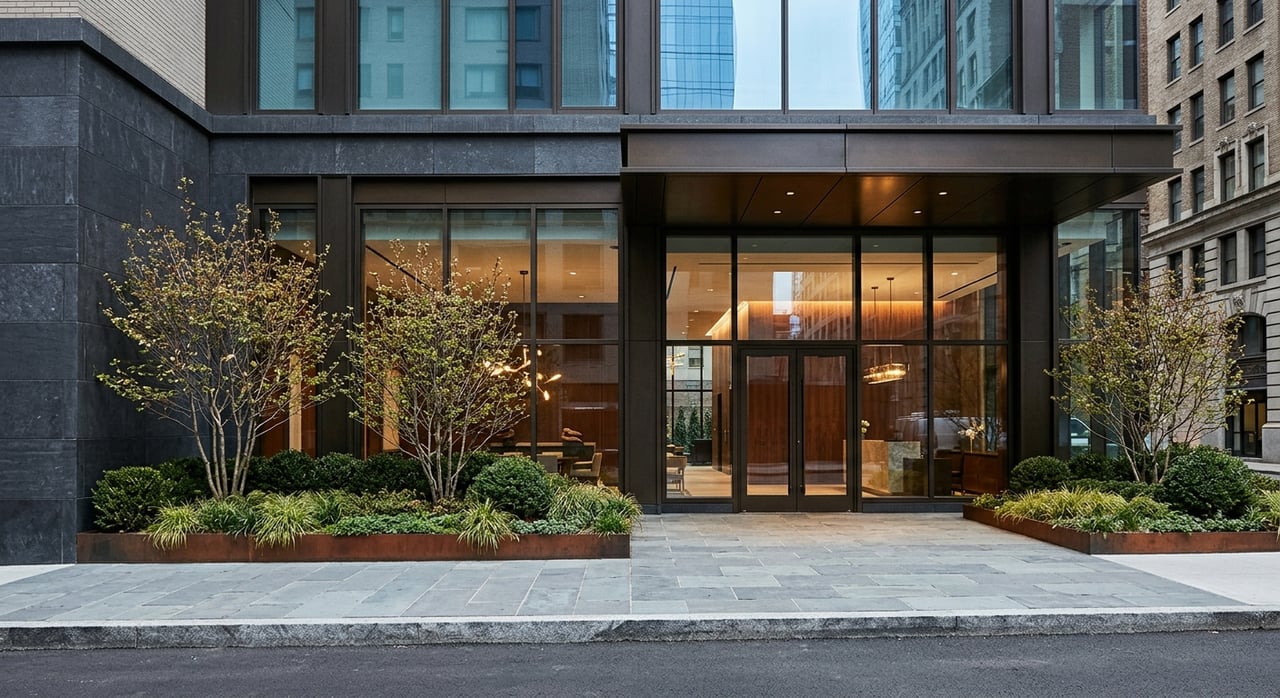
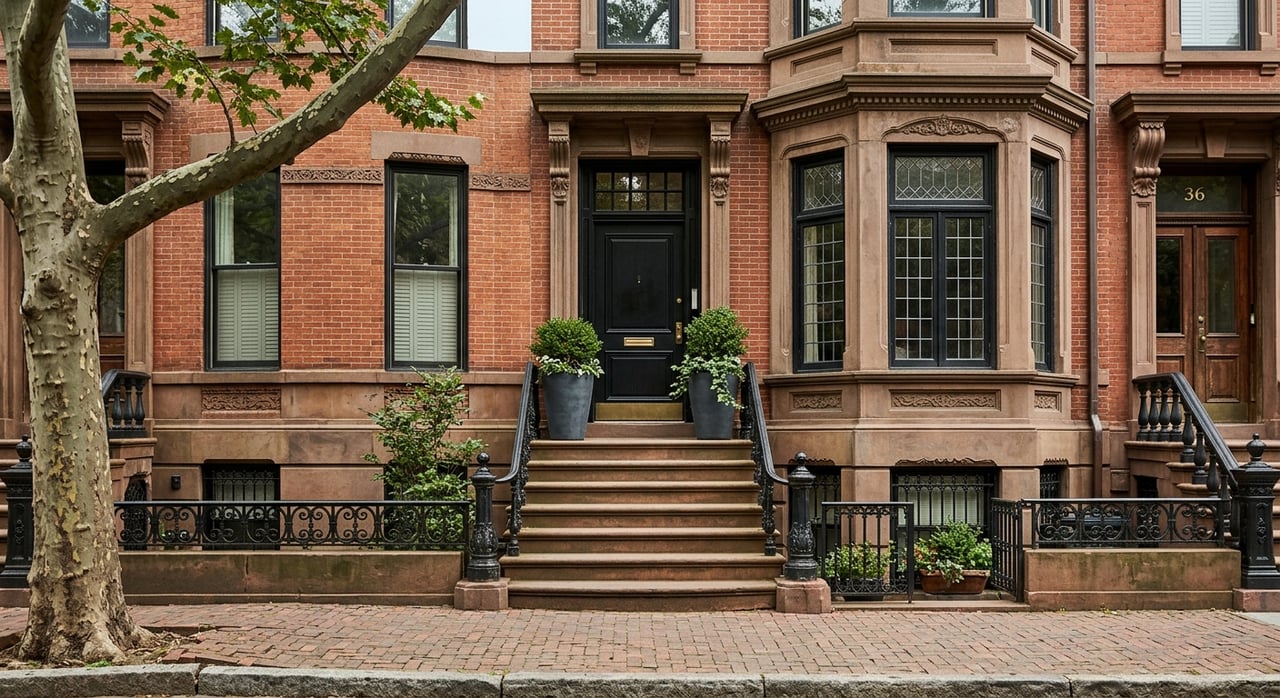
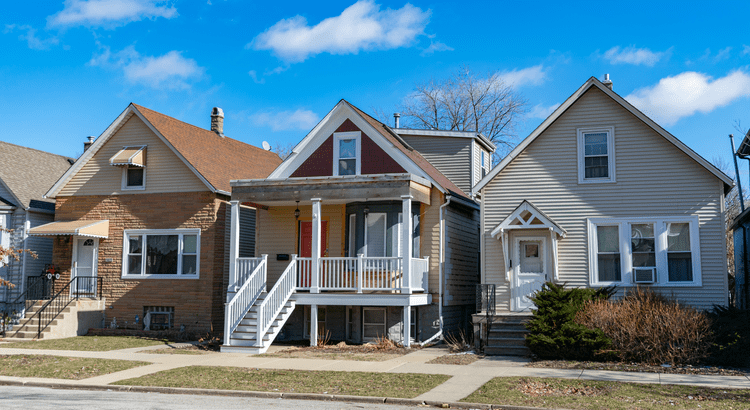
BPDA describes Charlestown as a neighborhood where older rowhouse streets sit alongside waterfront condominiums and apartments. That creates a wider range of options than many buyers expect, especially if you are deciding between charm, convenience, and newer building amenities.
The historic feel also shows up in smaller details. Boston’s street-lighting division maintains 2,800 gas lights citywide, and Boston.gov’s streetlight information confirms that these historic lights can be found in Charlestown. It is a subtle feature, but it reinforces the neighborhood’s classic Boston atmosphere without suggesting every street looks the same.
Main Street Keeps It Lived-In
A waterfront neighborhood can look beautiful on paper but still feel quiet in the wrong ways. Charlestown avoids that because it has a strong day-to-day neighborhood core.
The city says local shops and restaurants cluster around Main Street and City Square, where residents of different ages are part of the daily rhythm. The Charlestown neighborhood page also notes that the Warren Tavern is Massachusetts’ oldest tavern, while BPDA adds that newer shops and restaurants now operate alongside that historic backdrop.
That balance gives Charlestown a practical edge. It feels residential, but not cut off. It has local activity, but it is not purely visitor-focused.
The institutional presence helps too. BPDA lists Bunker Hill Community College, Spaulding Rehabilitation Hospital, and a Massachusetts General Hospital branch as major neighborhood tenants. Those anchors contribute to a stronger lived-in feel and support activity beyond tourism.
City Access Is A Real Advantage
Charlestown’s appeal is not just about being near the water. It is also about staying close to Downtown Boston without feeling like you are in the middle of nonstop congestion.
The strongest example is the ferry. The National Park Service FAQ page says the Charlestown Navy Yard is served by the Long Wharf/Charlestown ferry, with weekday service from 6:30 a.m. to 8:00 p.m. and weekend service from 10:00 a.m. to 6:00 p.m. During weekday peak hours, ferries run every 15 minutes, and outside peak periods and on weekends, every 30 minutes.
If you prefer rail access, the same source notes that the Bunker Hill Monument is about a 12-minute walk from the Orange Line’s Community College stop and about a 23-minute walk from North Station. That gives you more than one way to move between Charlestown and the rest of the city.
Boston’s transportation planning also points to long-term connectivity improvements. The city’s Rutherford Avenue community process update says current planning aims to improve mobility, support transit priority through Sullivan Square, improve Orange Line access, and boost bus reliability.
Another option is the Charlestown LINK shuttle. According to the city, this privately funded public shuttle connects housing and job centers in Charlestown to the Orange Line, while also supporting bus connections to Downtown Boston and Kendall Square.
Walkability And Bike Access Matter Too
Not everyone wants to rely on a car, train, or ferry for every trip. If your ideal neighborhood supports more flexible movement, Charlestown fits into a wider network than many people realize.
Boston Green Links says Connect Historic Boston improves walking and bicycling access to major historic sites, including the Charlestown Navy Yard, and links key transit hubs such as North Station. That makes Charlestown more practical for people who want to commute or explore the city on foot or by bike.
This is an important part of the lifestyle equation. Waterfront living can sound peaceful, but buyers also want it to be usable. Charlestown stands out because it offers a calmer residential feel while still connecting into the broader city fabric.
Development And Resilience Shape The Future
If you are thinking long term, it helps to understand that Charlestown is evolving. The neighborhood is part of an active planning and redevelopment cycle, and that affects how buyers, renters, and investors may view future opportunity.
The PLAN: Charlestown initiative says the city’s planning framework is focused on accommodating growth while preserving the character of existing residential areas. Key priorities include mobility, parks and open space, climate resiliency, affordable housing, and historic assets.
One major project is the Bunker Hill Housing Redevelopment. Boston Plans describes it as the largest single project currently listed in the area, with plans for 2,699 mixed-income residential units, about 73,000 square feet of retail and civic space, off-street parking, and new public open space.
For waterfront buyers and renters, resilience is also part of the conversation. The city’s coastal resilience implementation program says Boston is actively working to protect waterfront areas from coastal flooding related to sea-level rise and storms, and Charlestown is included in that work.
That is worth paying attention to, not avoiding. In Charlestown, the waterfront is a real amenity, and city-led resilience efforts are part of how the neighborhood is preparing for the future.
Who Charlestown Waterfront Living Fits Best
Charlestown can work well for several types of buyers and renters. If you want a neighborhood with harbor access, historic surroundings, and easier Downtown access, it checks a lot of boxes.
It may be especially appealing if you are looking for:
-
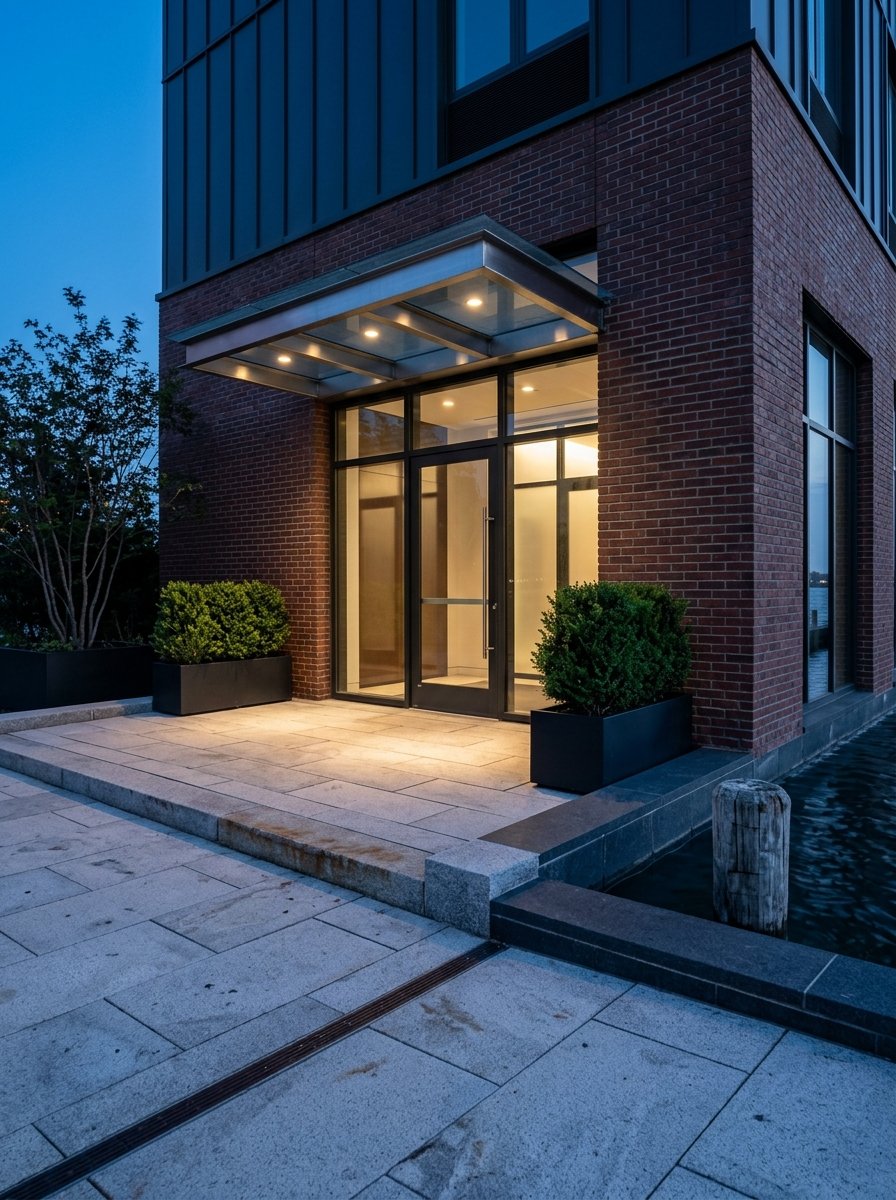
A waterfront condo or apartment with a more residential setting
-
A historic rowhouse environment with city access nearby
-
Multiple commuting options, including ferry, transit, walking, and biking
-
A neighborhood that blends open space, history, and local business activity
-
A Boston location with ongoing planning and infrastructure investment
Because the housing mix is broad, Charlestown can also be useful if you are weighing lifestyle against property type. Some buyers prioritize views and building amenities, while others care more about historic character or proximity to open space. Charlestown gives you room to compare those priorities within one neighborhood.
The Bottom Line On Charlestown
Charlestown waterfront living is compelling because it offers more than one version of Boston life. You get harbor views, Navy Yard history, parks, and public waterfront access, but you also get practical transit options and a neighborhood that feels established rather than isolated.
If you are considering a move to Charlestown, the key is understanding which part of the neighborhood best fits how you want to live. Waterfront condos, historic streets, and evolving development areas each offer something different. For tailored guidance on Charlestown homes, condos, rentals, or investment opportunities, connect with The David Green Group.
FAQs
Is Charlestown in Boston really a waterfront neighborhood?
- Yes. The Navy Yard, harbor-facing open spaces, parks, and waterfront access are central parts of Charlestown’s identity, according to Boston Plans.
Is Charlestown good for commuting to Downtown Boston?
- Yes. Charlestown offers ferry service, access to the Orange Line, connections to North Station, shuttle service, and broader walking and biking links.
What types of homes can you find in Charlestown?
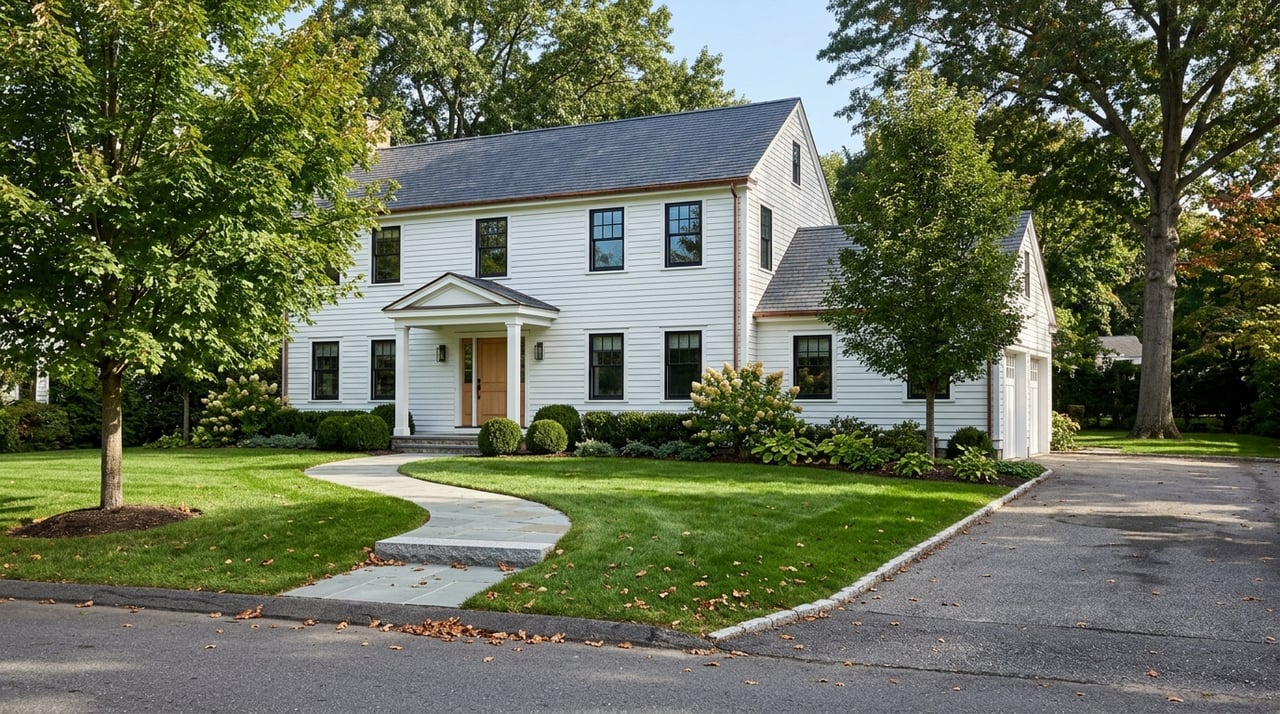
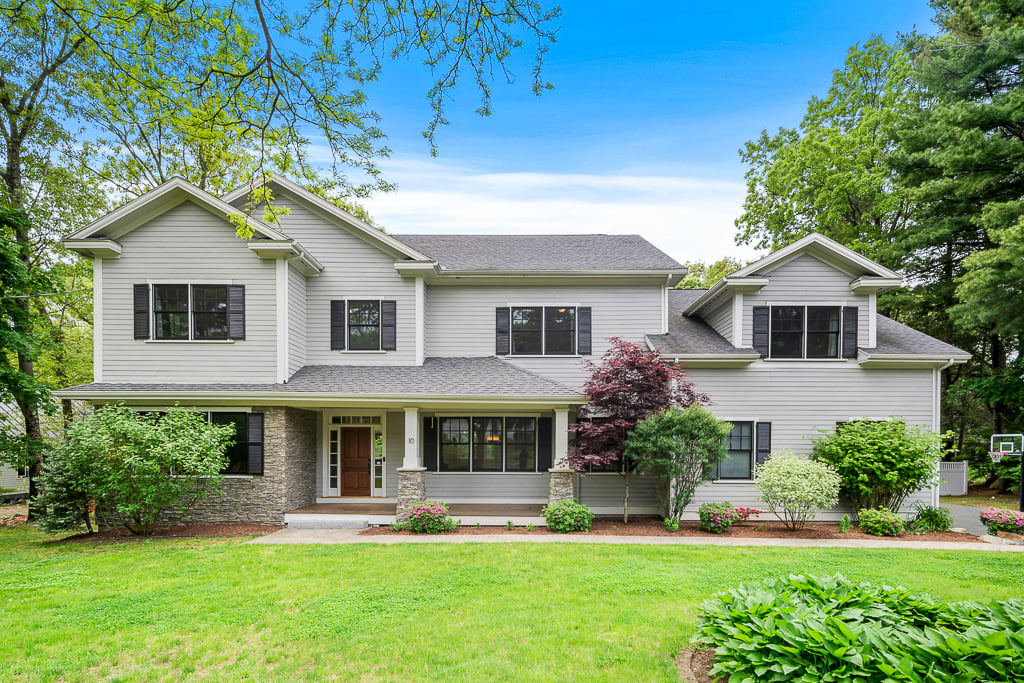
- Charlestown includes older brick and wood row houses, public housing, and newer waterfront condominiums and apartments.
Does Charlestown feel more historic or more modern?
- It feels like a mix of both. The neighborhood has historic sites, older streetscapes, and gas lights in some areas, along with newer waterfront housing and active redevelopment.
Are there parks and open spaces in Charlestown?
- Yes. The neighborhood includes places such as Paul Revere Park, Thomas Menino Park, City Square Park, John Harvard Mall, the Training Field, and Clougherty Pool.
Is flood resilience part of Charlestown waterfront planning?
- Yes. Boston and the National Park Service both identify active resilience and flood-protection work in Charlestown, including projects tied to the Navy Yard waterfront.