If you love the idea of living in a neighborhood with history on every block, great food around the corner, and the harbor close by, Boston’s North End probably already has your attention. It is one of those rare places that feels unmistakably Boston, with a daily rhythm shaped by walkability, local routines, and constant visitor energy. If you are thinking about renting or buying here, understanding the trade-offs is just as important as enjoying the charm. Let’s dive in.
North End lifestyle today
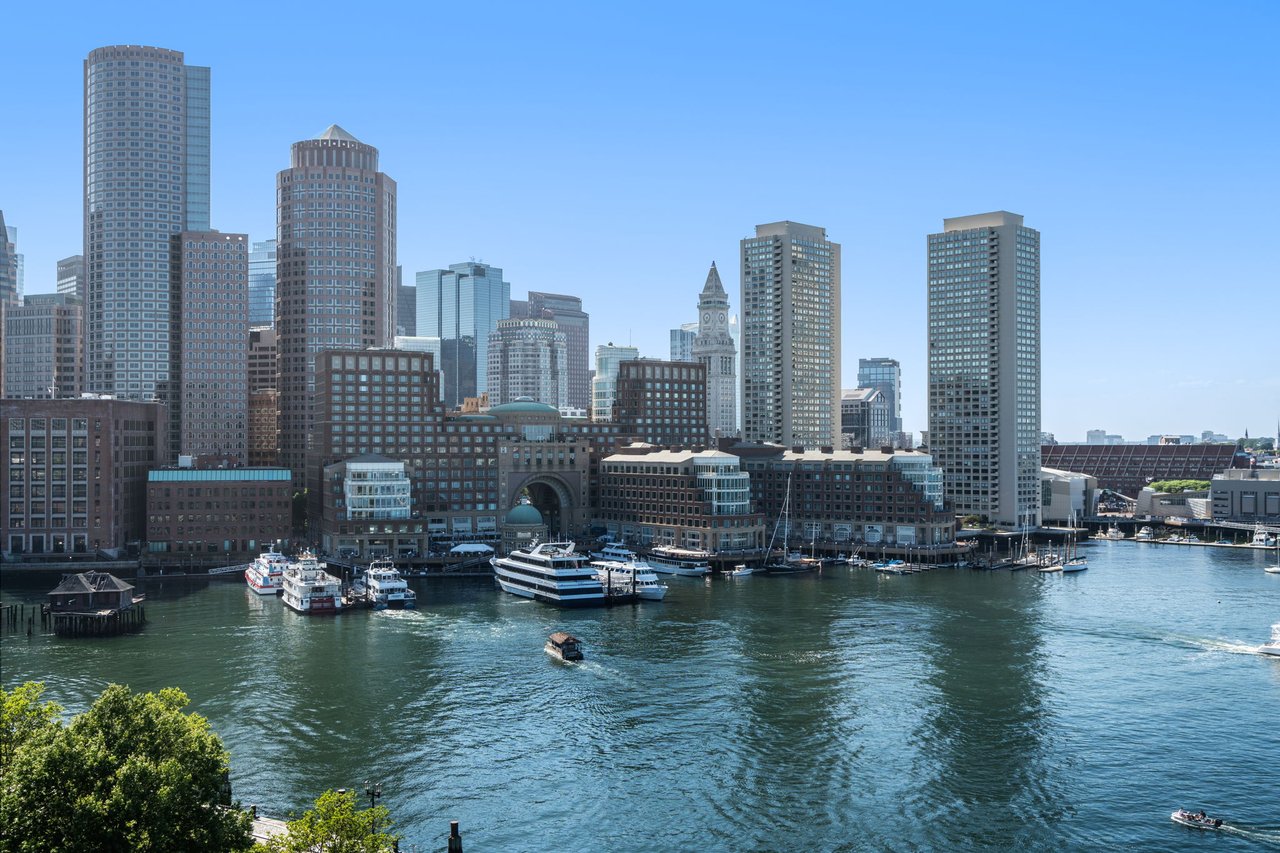
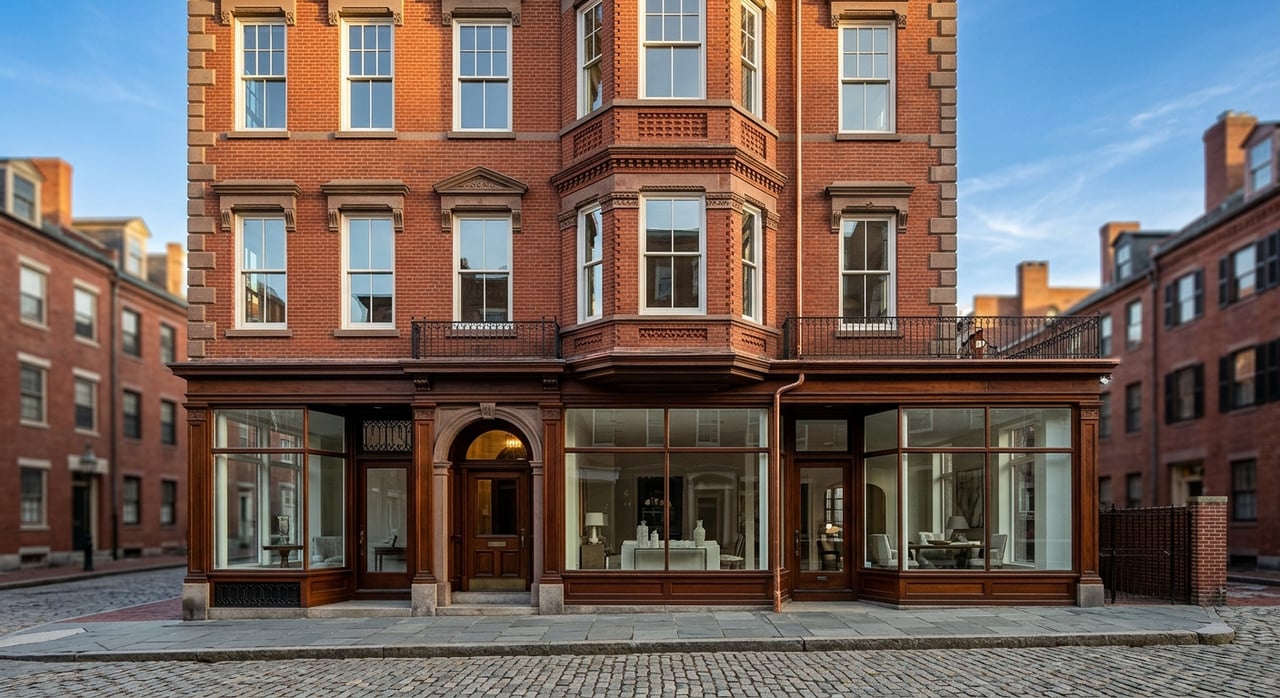
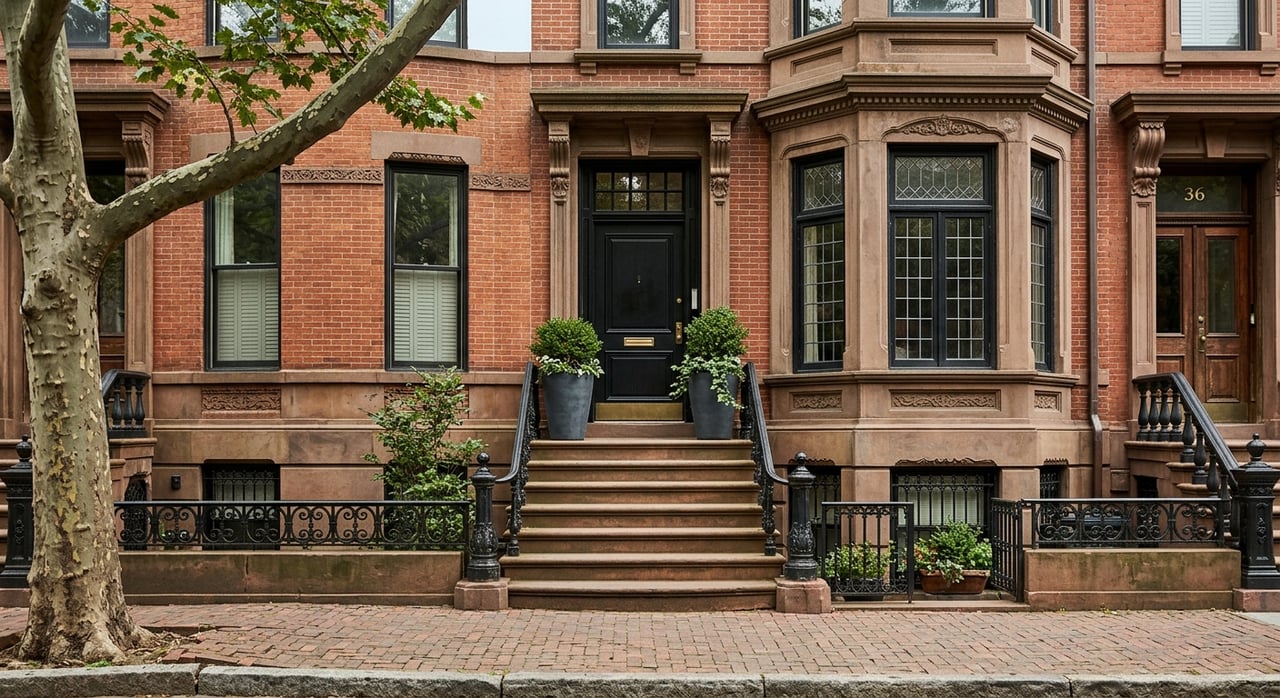
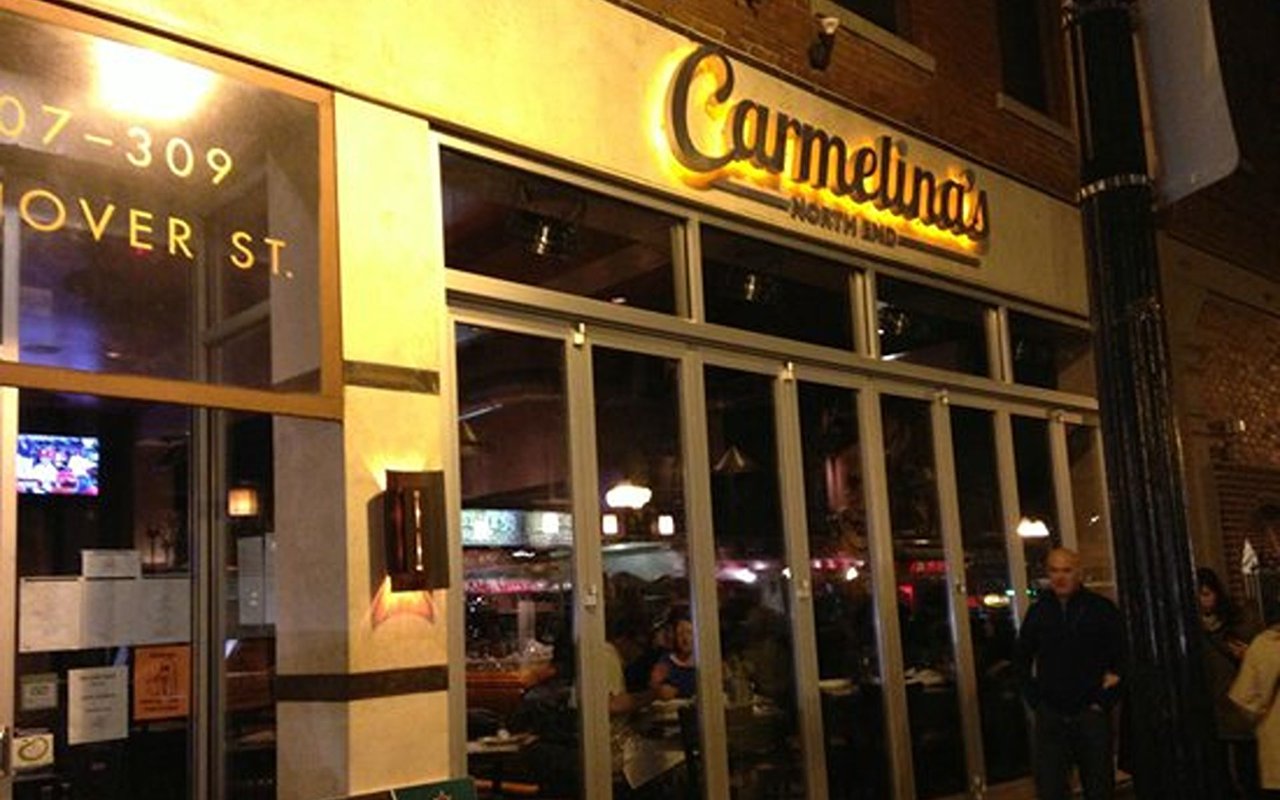
The North End is one of Boston’s most recognizable neighborhoods, known for its historic streets, strong Italian-American identity, and waterfront setting. The City of Boston describes it as a hub for the city’s Italian-American community, with narrow, active streets and a long-standing restaurant and cafe culture. It also sits along the Freedom Trail, which helps explain why the area feels both residential and highly visited.
This is a compact urban neighborhood, not a spread-out residential enclave. Boston Planning’s 2025 profile reports 10,635 residents, 6,885 housing units, and 6,286 occupied units, and identifies the North End as one of Boston’s densest neighborhoods. In simple terms, you are choosing a lively city lifestyle where convenience and character matter more than extra space.
Walkability shapes daily life
If you want a neighborhood where many errands can happen on foot, the North End stands out. Boston Planning data show that nearly half of resident workers walk to work, and about 70% commute less than 30 minutes each way. That says a lot about how connected and efficient daily life can feel here.
The neighborhood is also notably car-light. Boston Planning reports that 56.4% of households have no vehicle available, which reflects how many residents rely on walking, transit, biking, or occasional driving instead of daily car use. For some buyers and renters, that is a major plus. For others, especially those who want easy parking or drive every day, it can be a real adjustment.
Boston is also investing in mobility across this part of the city. The North Station Area Mobility Action Plan includes parts of the North End and focuses on improving how people move whether they walk, bike, take transit, or drive. The Harborwalk adds another layer of access by connecting neighborhoods to the waterfront, public transit, and water transportation facilities.
Everyday convenience beyond restaurants
Most people know the North End for its dining scene, but daily life is not just about where you eat. The neighborhood also has practical resources that support day-to-day living. One example is the North End branch of the Boston Public Library on Parmenter Street, which offers community space, Wi-Fi, computers, and programming.
That matters because the North End works best when it feels like more than a destination neighborhood. While visitors may come for dinner or sightseeing, residents still need the basics close to home. The combination of walkability, local services, and transit access is a big reason many people find the neighborhood so livable.
Crowds are part of the deal
The North End’s biggest strength is also one of its biggest compromises. The same restaurants, cafes, and historic sites that give the neighborhood its personality also bring a lot of foot traffic. The City of Boston describes the North End as one of the city’s most visited neighborhoods, and North Square alone sees about four million tourists each year.
Because the Freedom Trail runs through the neighborhood, busy streets are not limited to restaurant blocks. They also overlap with major historic attractions like Old North Church, the Paul Revere House, and Copp’s Hill Burying Ground. That means you are not just living near popular dining. You are living in a place that is part of Boston’s regular sightseeing route.
For some residents, that energy is part of the appeal. For others, it can feel crowded, especially on weekends, during warmer months, or around neighborhood events. If quiet is your top priority, the North End may feel more active than relaxing.
Noise, events, and seasonal activity
The North End is lively by design, not quiet by default. Boston’s official event calendar shows activities like the Patriots’ Day Parade moving through the neighborhood, and the city regularly promotes North End feasts and festivals. These events are part of what gives the area its distinct identity, but they also add to noise and congestion.
In practical terms, your experience can vary a lot by block. Areas closer to North Square and major Freedom Trail frontage tend to feel busier because tourist traffic and historic destinations are concentrated there. Blocks closer to the waterfront parks may feel somewhat calmer, though this is more of a lifestyle pattern than an official designation.
That is why micro-location matters in the North End. Two homes in the same zip code can offer very different day-to-day experiences depending on their exact street and proximity to commercial or visitor-heavy areas.
Housing in the North End
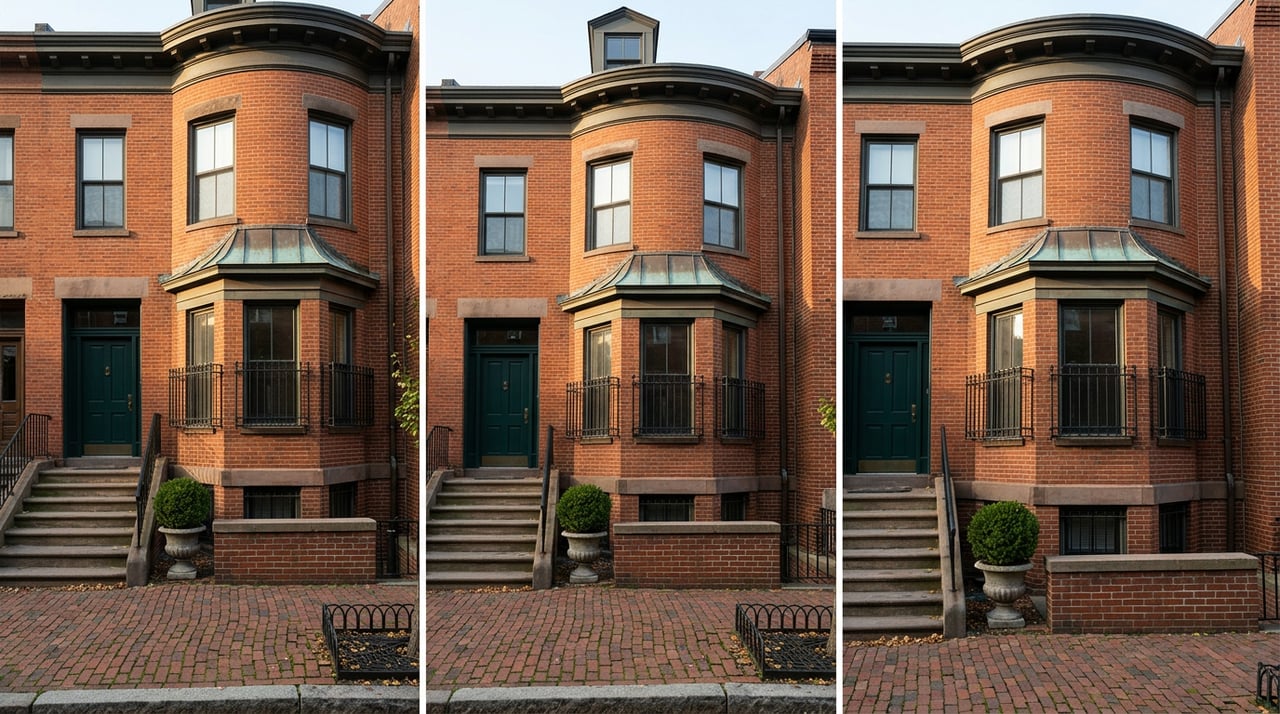
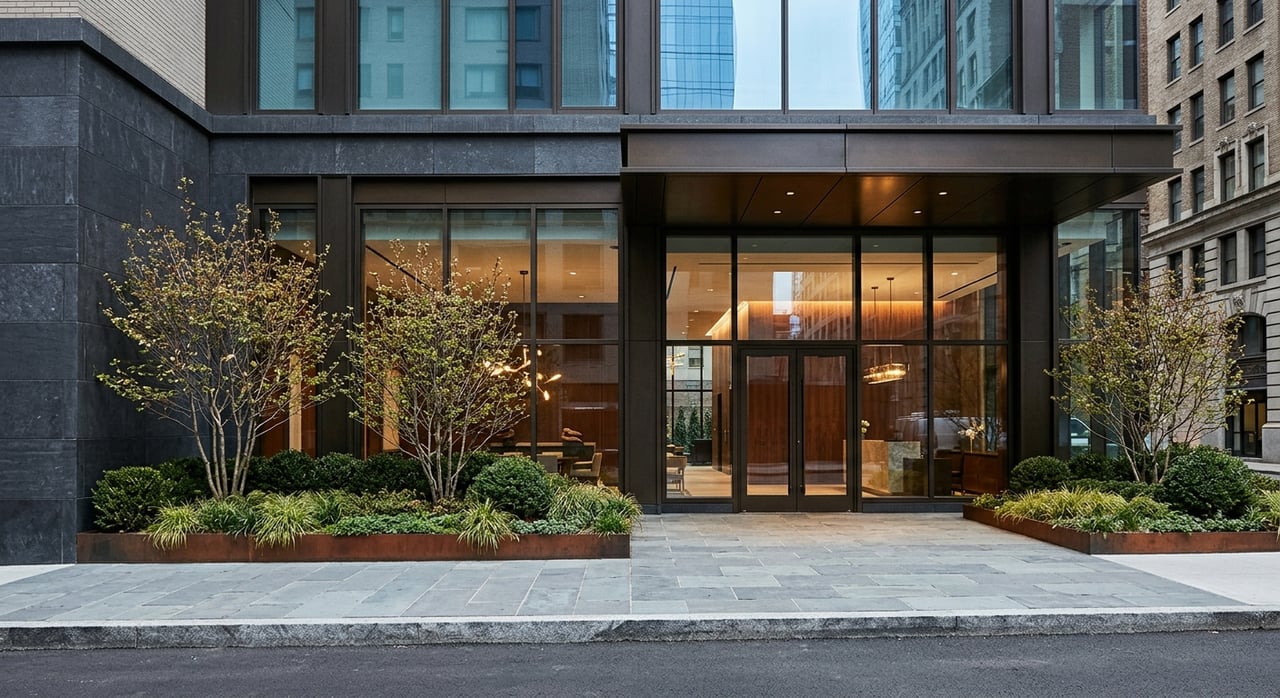
Housing in the North End tends to reflect the neighborhood’s urban form. Boston Planning reports that 67.8% of occupied units are renter-occupied and 25.7% are owner-occupied. This is a neighborhood with a strong rental presence and a housing stock that leans more condo and apartment than large-scale residential space.
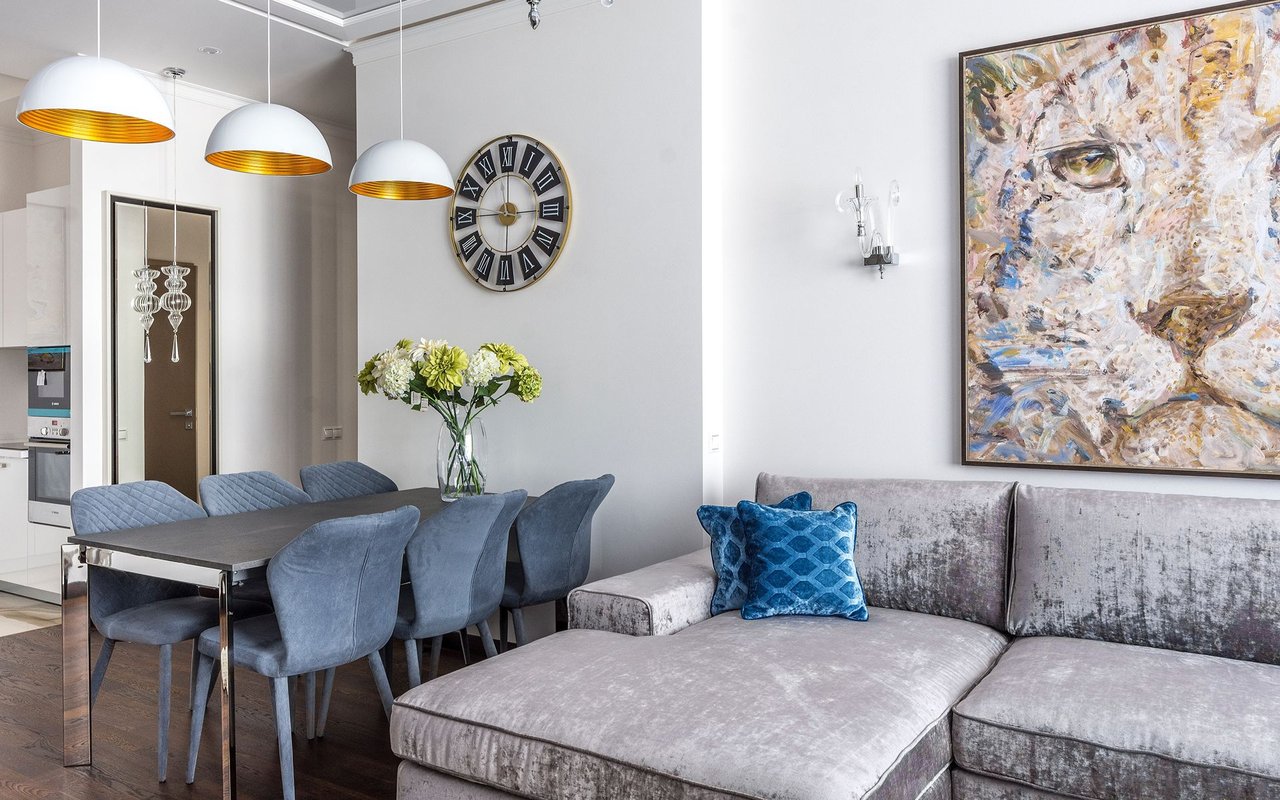
Unit sizes also run smaller. According to Boston Planning, 49.9% of occupied units are studios or one-bedrooms, 37.2% are two-bedroom units, and only 12.9% are three-bedroom-or-larger units. If you are looking for efficient city living, that mix may suit you well. If you want a lot of interior space, your options may be more limited.
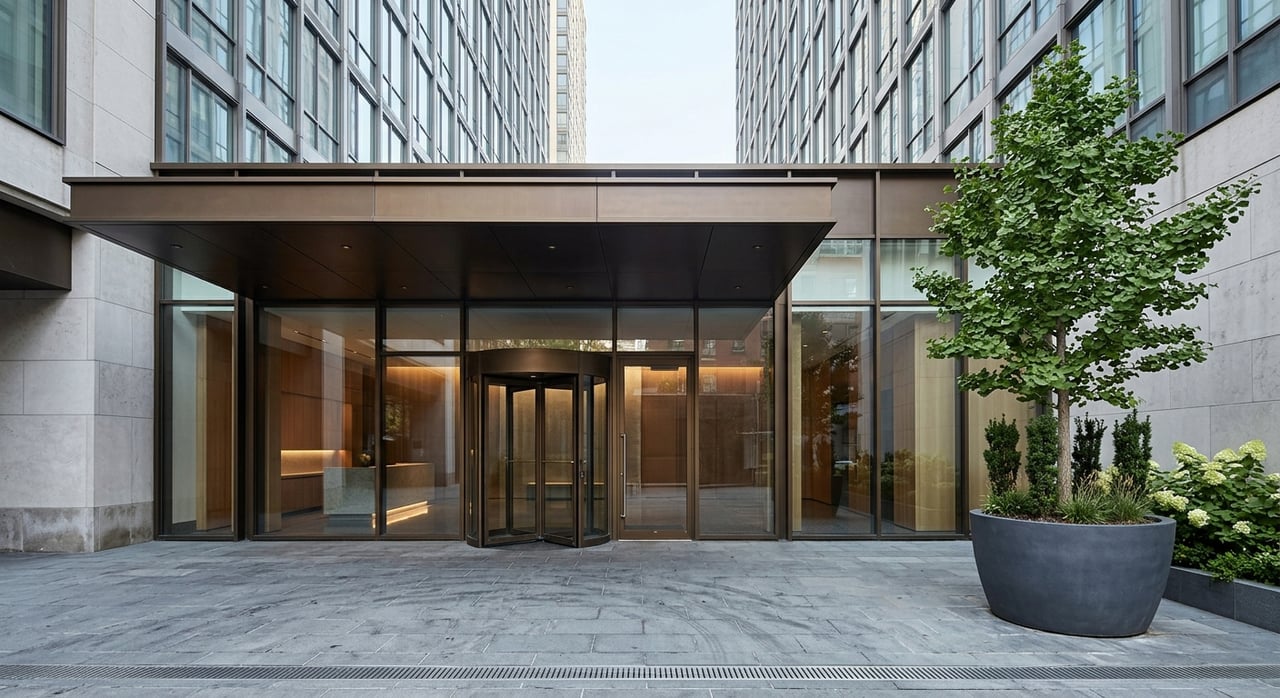
This is one reason the North End often appeals to people who prioritize location, access, and neighborhood atmosphere over square footage. It can also be a fit for downsizers, investors, renters, and buyers who want a compact Boston home base. The trade-off is simple: space is often at a premium.
Who the North End fits best
The North End tends to appeal to people who want an energetic, central, and highly walkable lifestyle. If you like being able to step outside and reach restaurants, cafes, waterfront paths, and transit without much planning, the neighborhood offers a lot. It is especially compelling if you value city character and convenience over privacy, parking ease, or larger homes.
It may be a strong match if you are considering:
- A condo or apartment with a true urban feel
- A car-light or car-free lifestyle
- A neighborhood with strong dining and waterfront access
- A home base close to downtown Boston
- A rental or investment property in a high-demand city location
It may be less ideal if you want:
- Larger unit inventory with more flexible layouts
- A quiet streetscape most of the time
- Easy daily driving and parking
- A more private or less visitor-heavy setting
Waterfront access adds balance
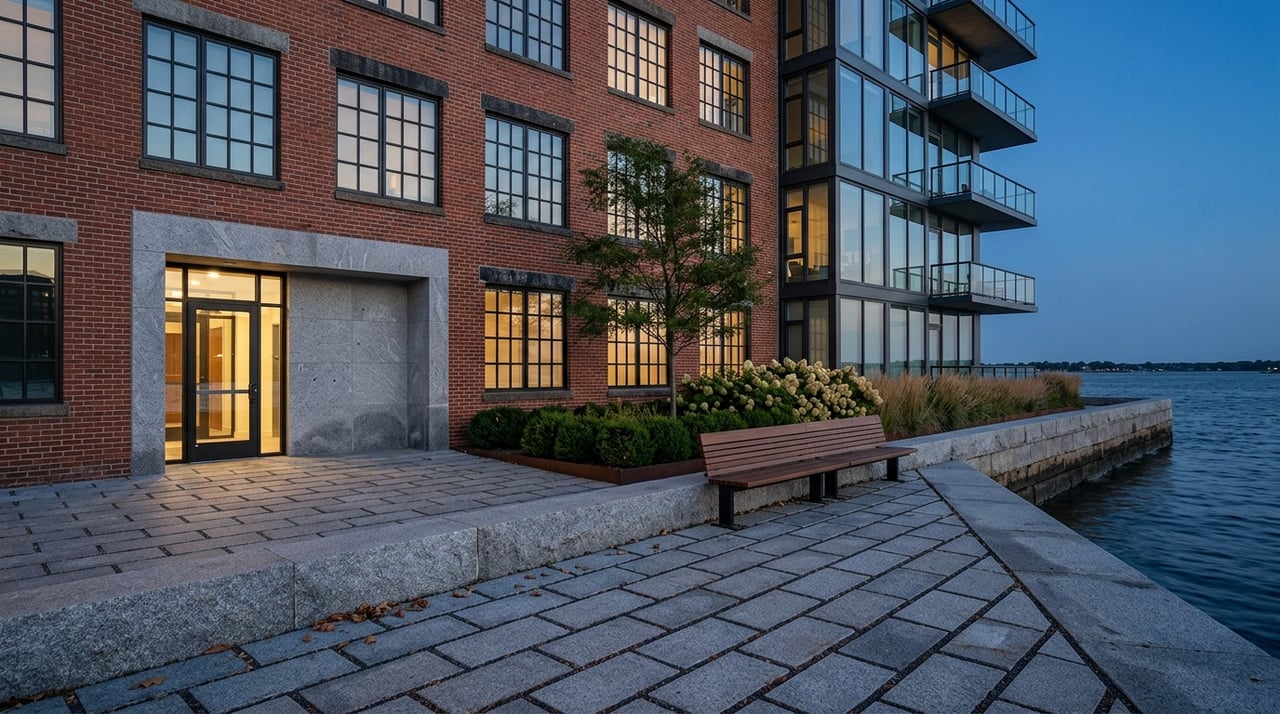
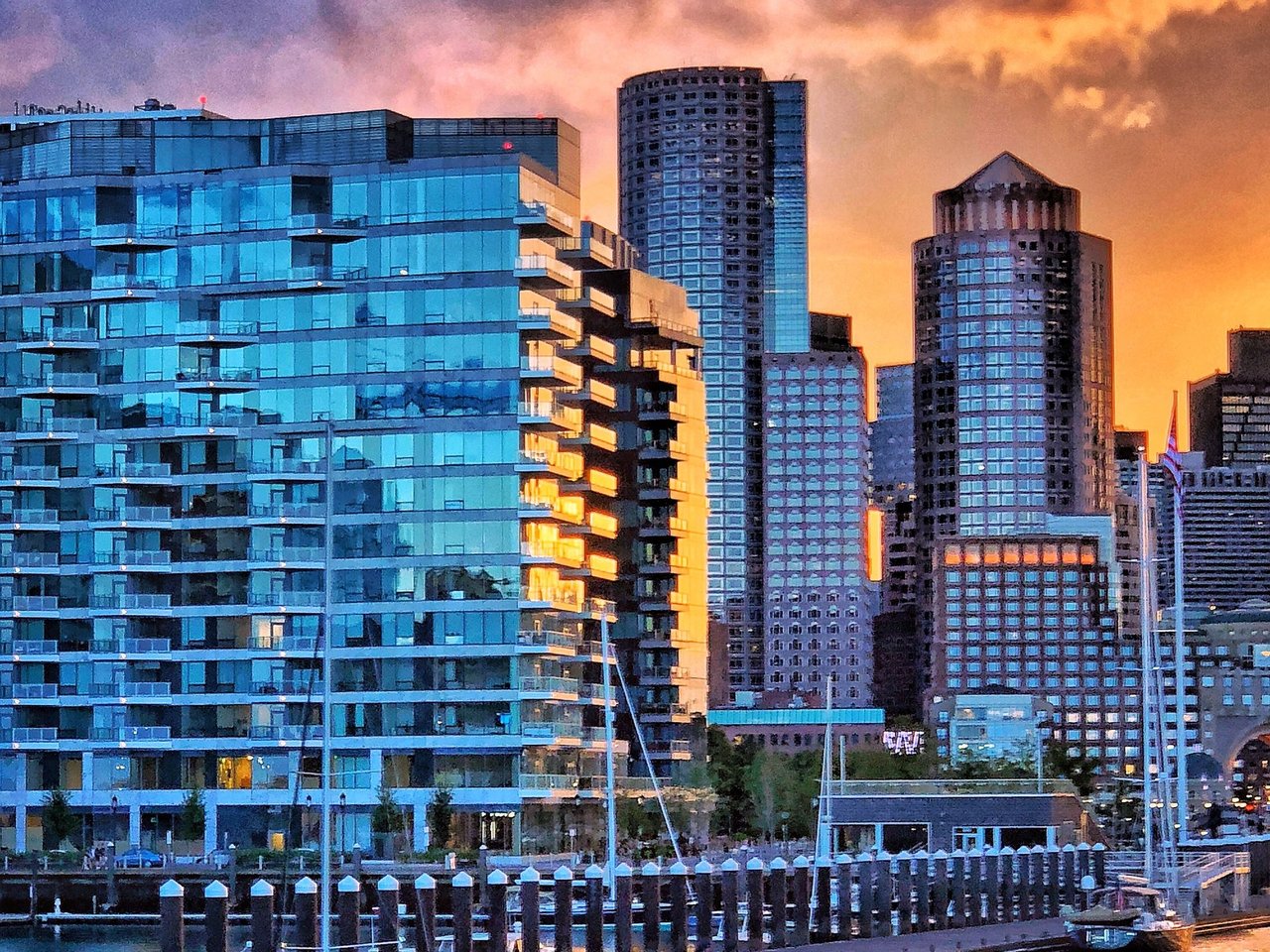
One of the North End’s biggest quality-of-life advantages is its waterfront edge. Langone Park and Puopolo Playground provide a 4.5-acre waterfront park with harbor views, baseball, basketball, bocce, a playground, and other public amenities. The site has also been rebuilt with climate-resilient features, which adds an important layer of long-term planning to the recreational appeal.
The city also describes the North End waterfront as home to open space and recreational assets including a skating rink, baseball fields, and the BCYF Mirabella Pool. Even in a dense neighborhood, this access to harborfront recreation helps create breathing room. It gives residents places to walk, gather, and enjoy the water without leaving the neighborhood.
That balance matters. In a community known for compact housing and busy streets, waterfront open space can make daily life feel more livable.
Change is part of living here
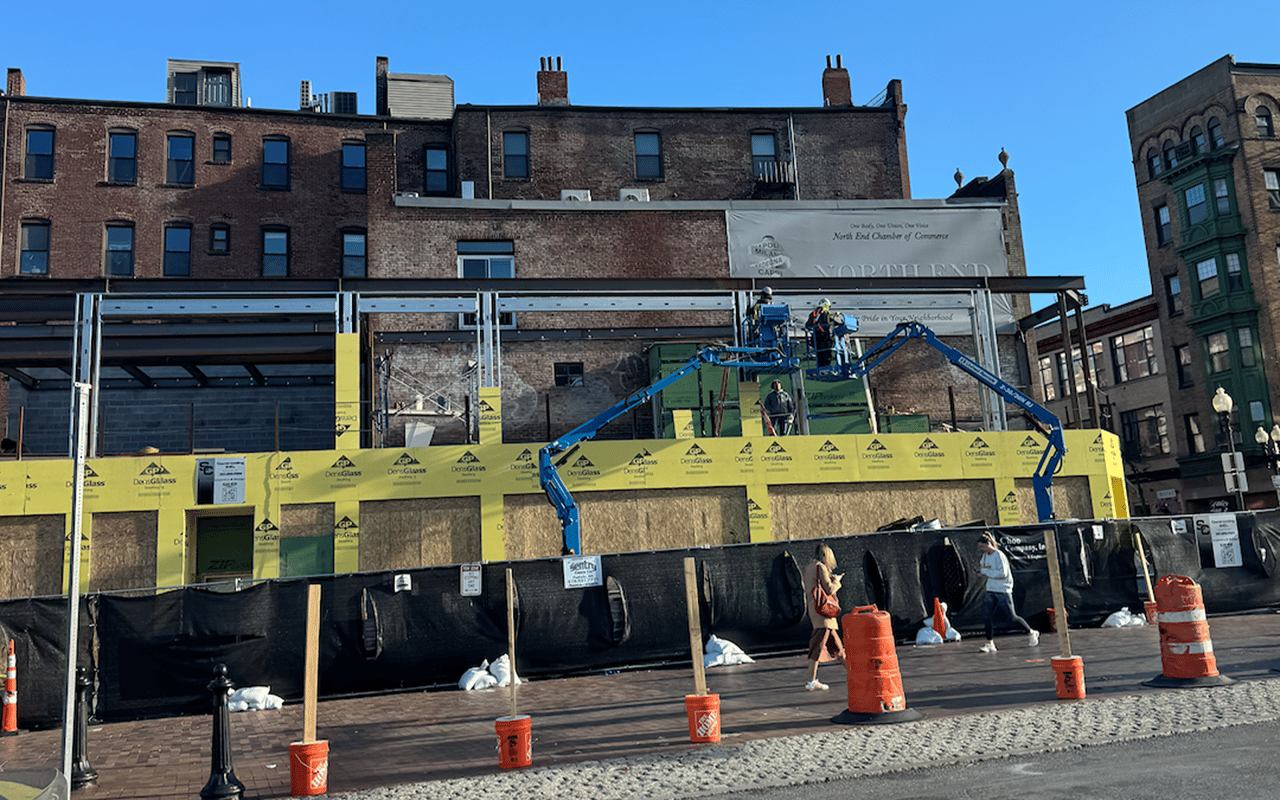
Like many waterfront neighborhoods, the North End is also shaped by public investment and ongoing infrastructure work. Boston says it has completed coastal resilience plans for Downtown and the North End and is implementing projects aimed at reducing flood risk while improving waterfront access and recreation. For buyers, that is worth understanding as part of the neighborhood’s long-term story.
At the same time, some amenities are in transition. The BCYF Mirabella Pool is currently closed while the city constructs a new North End community center nearby. So while the waterfront remains a major asset, you should expect that public projects and resilience improvements are part of what comes with living in a built-out, evolving urban waterfront area.
What living in the North End really feels like
So what is it like to live in Boston’s North End today? In many ways, it is one of the clearest examples of true city living in Boston. You get charm, history, walkability, dining, waterfront access, and a neighborhood identity that feels deeply rooted.
You also get crowds, compact housing, and a pace that stays active through much of the year. For the right buyer or renter, those are not drawbacks. They are simply part of the lifestyle package.
If you are weighing whether the North End fits your goals, the most important question is not whether the neighborhood is appealing. It clearly is. The real question is whether its mix of energy, convenience, density, and limited space matches how you actually want to live.
If you are considering a condo, rental, or investment property in the North End or elsewhere in Boston, The David Green Group can help you evaluate the lifestyle, inventory, and strategy that best fit your goals.
FAQs
What is daily life like in Boston’s North End?
- Daily life in Boston’s North End is highly walkable, compact, and active, with many residents relying on walking and transit for commuting and errands.
Is Boston’s North End a quiet neighborhood to live in?
- Boston’s North End is generally lively rather than quiet because it is a major dining and historic destination with regular tourist traffic, events, and seasonal activity.
What types of homes are common in Boston’s North End?
- Housing in Boston’s North End is mostly smaller urban units, with studios, one-bedrooms, and two-bedrooms making up the majority of occupied homes.
Is Boston’s North End good for car-free living?
- Boston’s North End can be a strong fit for car-free or car-light living because many households do not have a vehicle and the neighborhood is built around walkability and transit access.
Does Boston’s North End have parks and waterfront access?
- Boston’s North End offers waterfront access and public recreation through spaces like Langone Park and Puopolo Playground, along with other harborfront amenities.
Who is Boston’s North End best suited for?
- Boston’s North End tends to suit renters and buyers who want an energetic, central Boston lifestyle with character, convenience, and easy access to dining, history, and the waterfront.