Trying to choose between a South End brownstone and a full-service condo? You are not alone. In 02118, that decision often comes down to how you want to live day to day, how much building responsibility you want to take on, and what kind of long-term flexibility matters most to you. If you are weighing charm against convenience, this guide will help you compare the tradeoffs with more confidence. Let’s dive in.
Why This Choice Matters in the South End
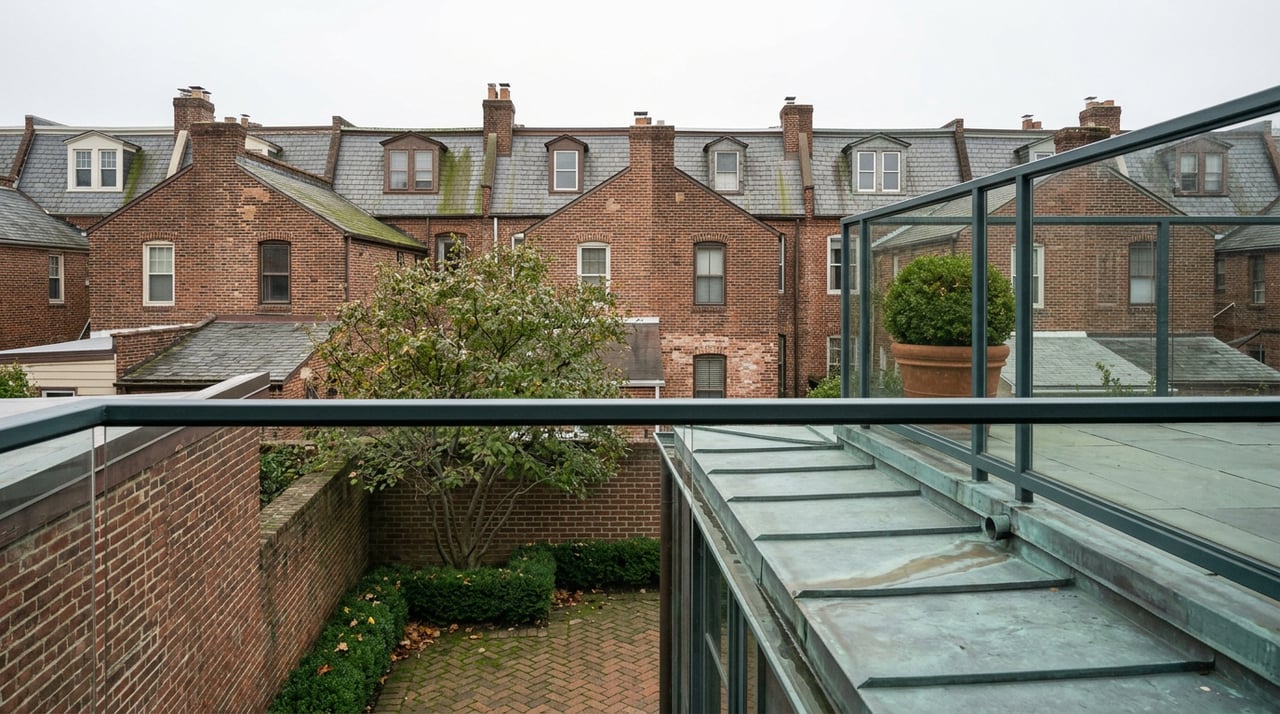
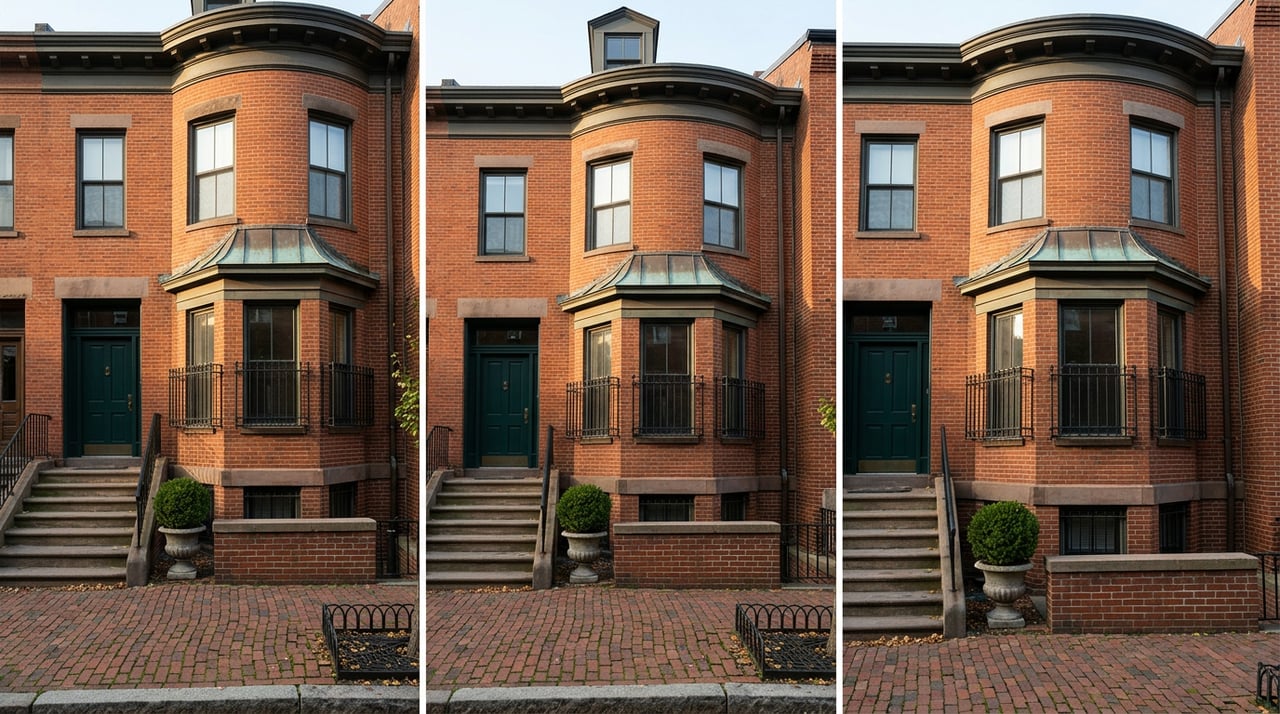
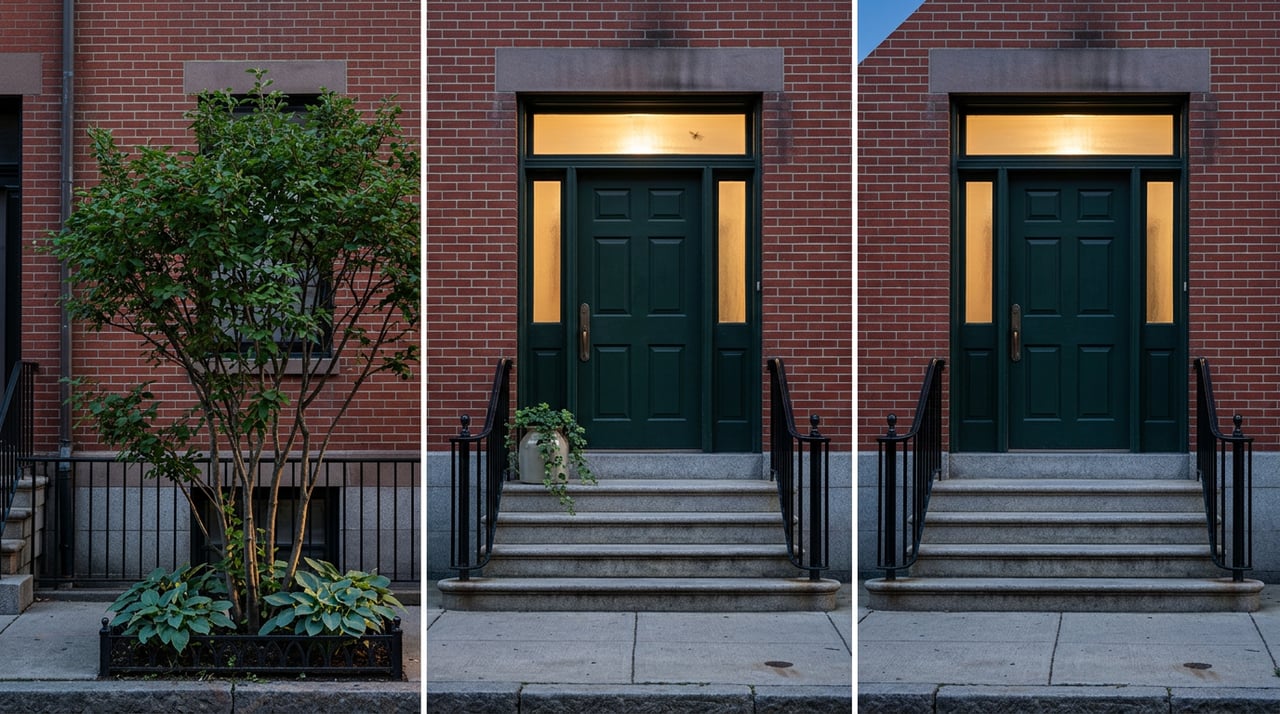
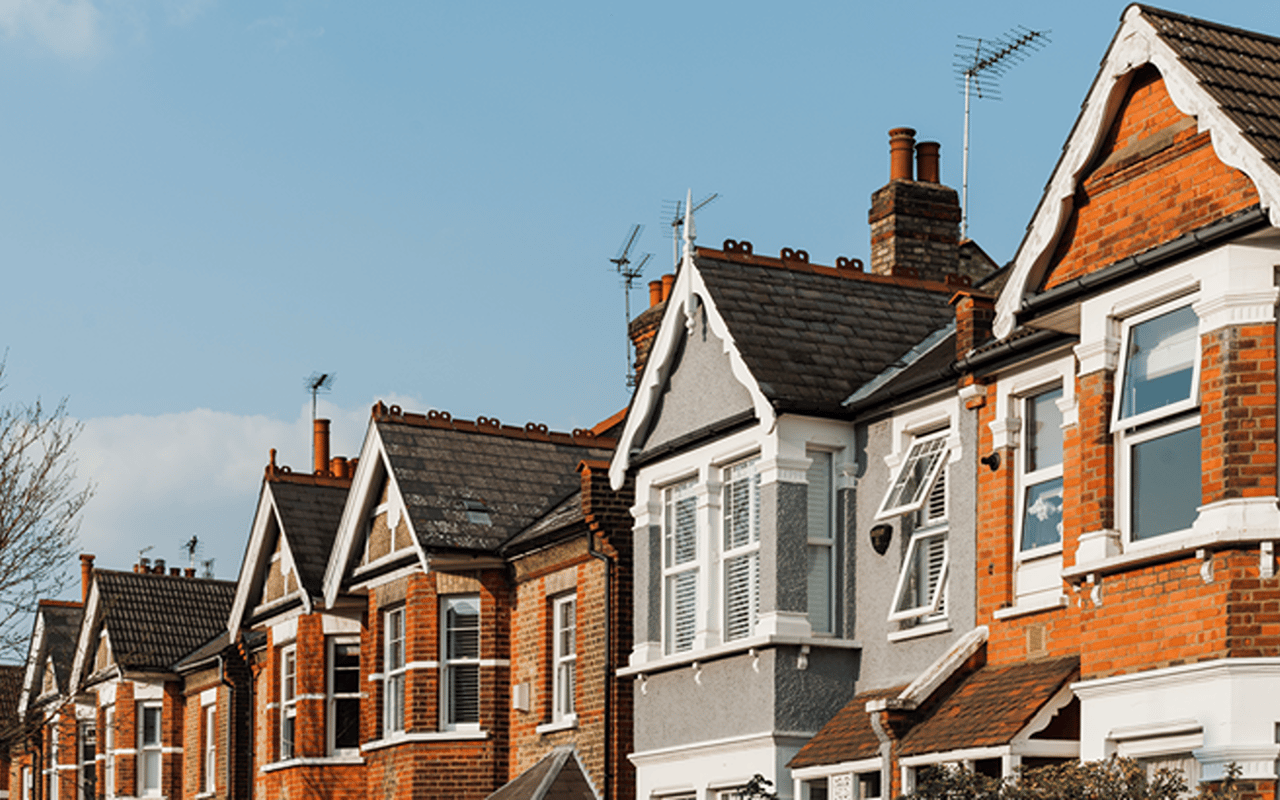
The South End is not a typical Boston neighborhood. Boston describes it as a historic residential area that began developing in the 1850s, and its landmark standards highlight the district’s cohesive blocks of 19th-century Victorian red brick rowhouses. That setting shapes the buying decision in a very real way.
In many neighborhoods, buyers compare a condo with a detached house. In the South End, the more common comparison is often a brownstone-style home versus a condo. That makes sense in a neighborhood where the streetscape, preserved architecture, walkability, parks, and arts presence all play a major role in daily life and resale appeal.
South End Brownstones at a Glance
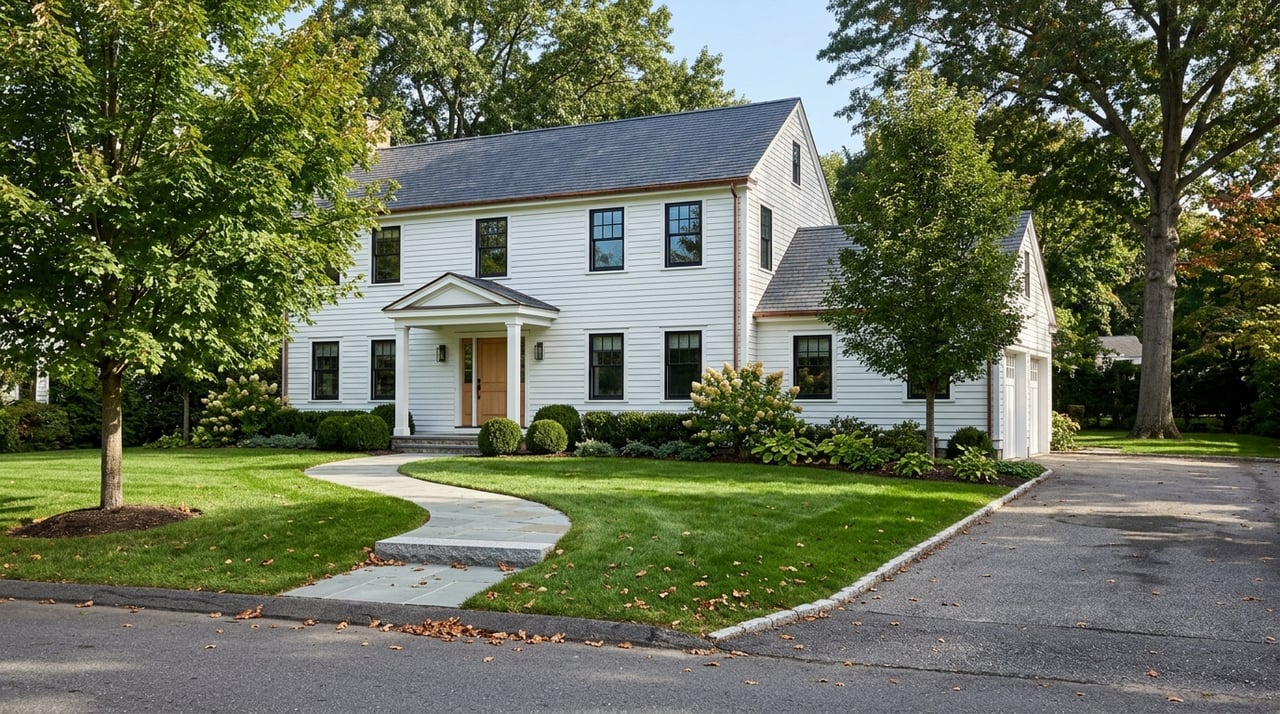
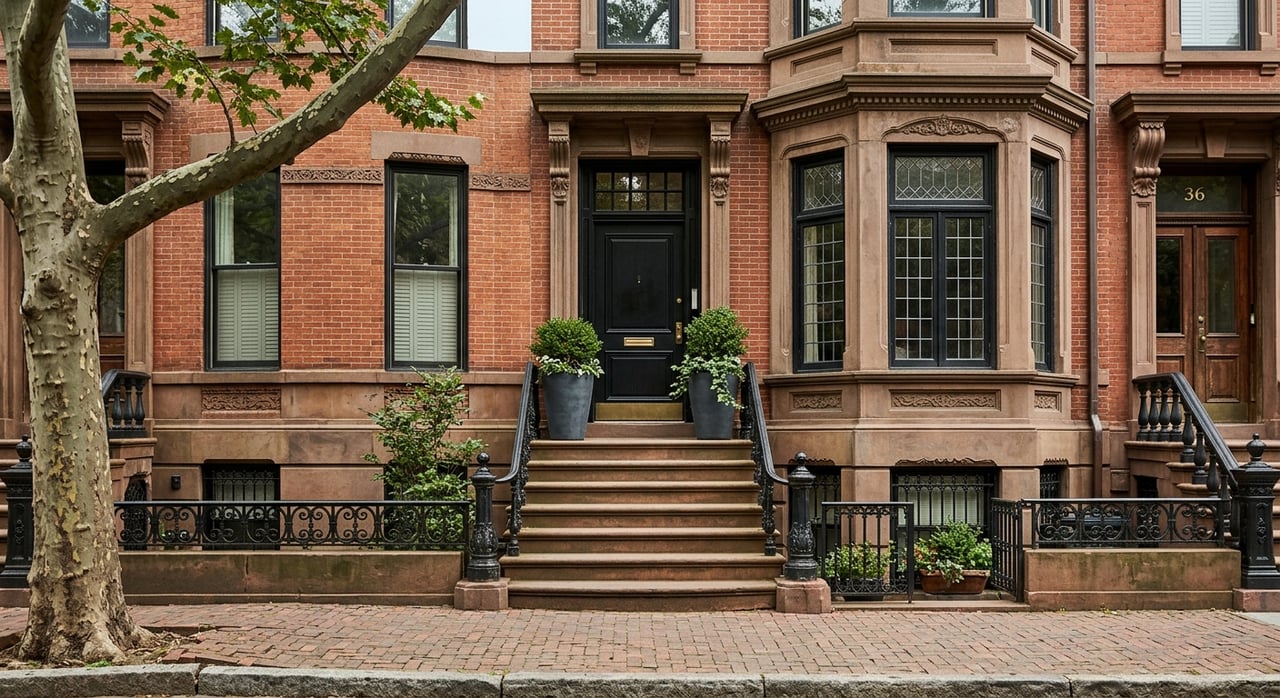
A brownstone often appeals to buyers who want historic character and more direct control over their home. You may get original architectural details, a classic rowhouse setting, and a living experience that feels closely tied to the South End’s identity.
That appeal comes with added responsibility. If you own a brownstone-style property outside a condo structure, you are generally taking on more of the building’s maintenance, repair planning, and financial risk yourself. In a historic district, exterior work may also require review and approval before you begin.
What Buyers Often Value
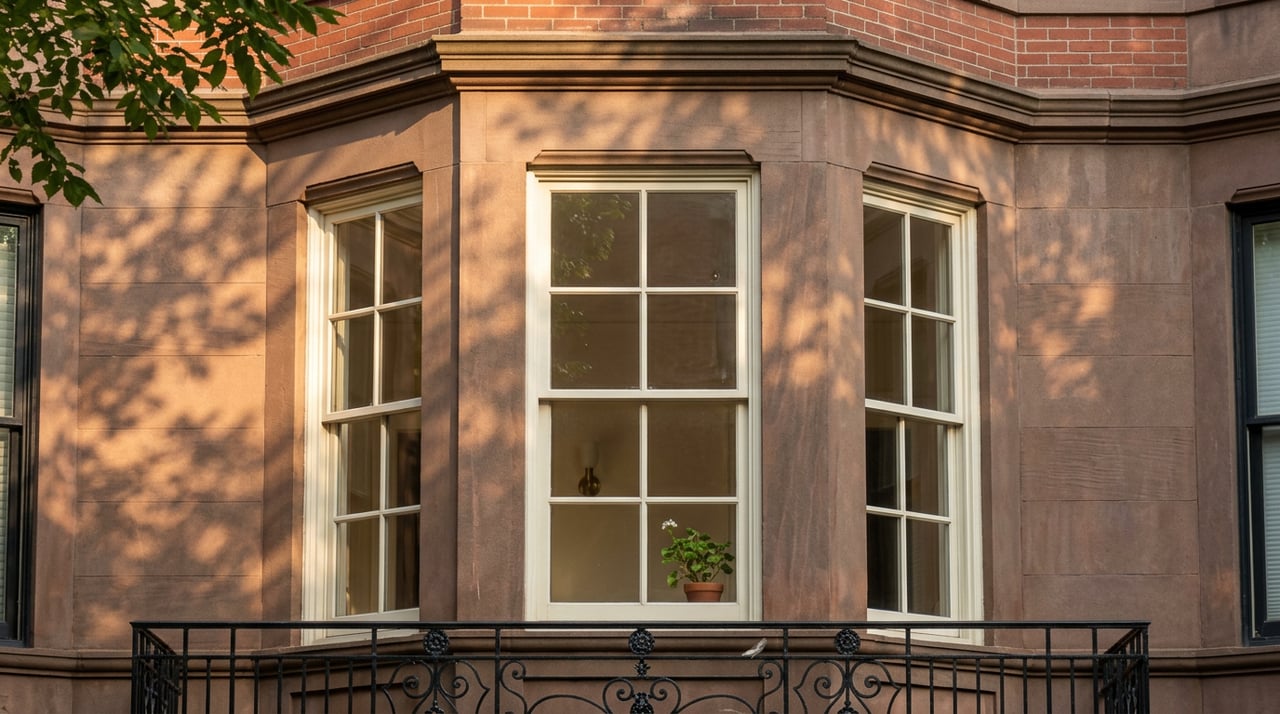
With a South End brownstone, the draw is usually about more than square footage. It is about period detail, block-by-block character, and the feeling of owning a piece of Boston’s architectural history.
You may also prefer having fewer building rules than in a large condo association. For some buyers, that greater sense of autonomy is a major advantage.
What to Watch Closely
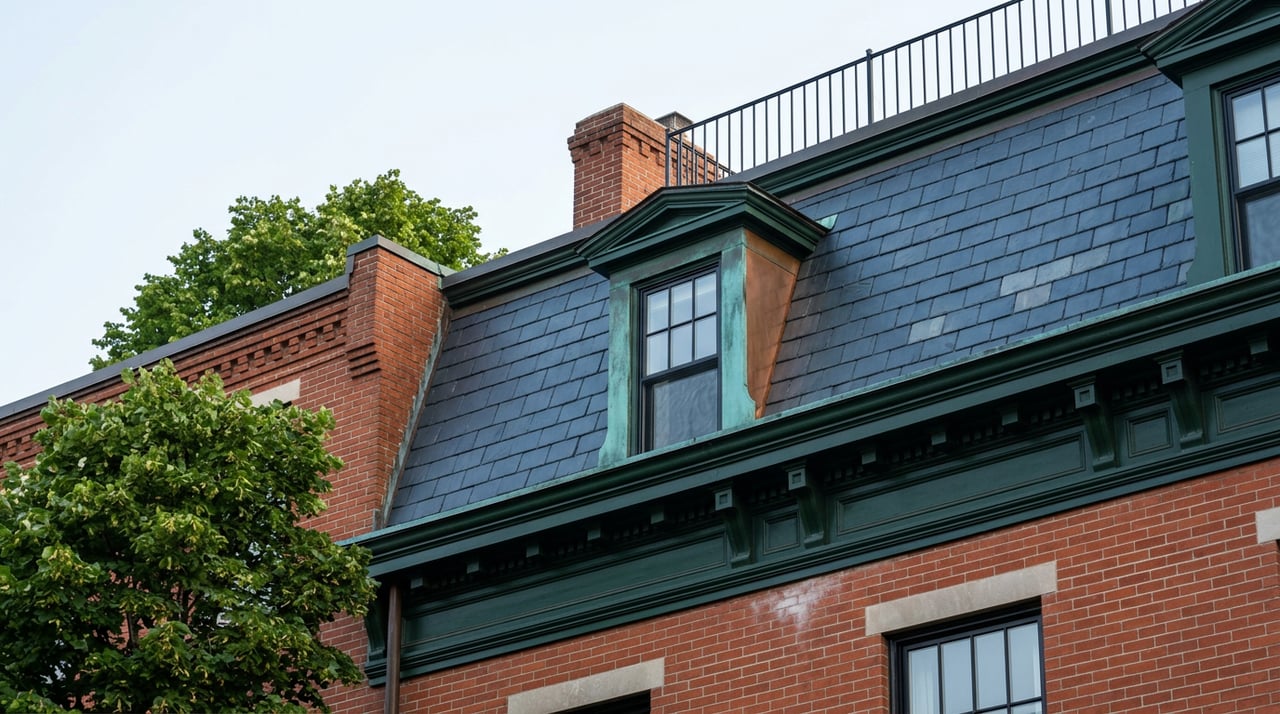
Historic charm can also mean more upkeep. Boston’s South End Landmark District rules require design review for certain visible exterior work, including front facades, visible roof work, and some side or rear elevations that face a public way.
The district standards also emphasize preserving original materials, and brownstone or granite may need like-for-like replacement. That can affect both timing and cost when repairs come up.
Full-Service Condos at a Glance
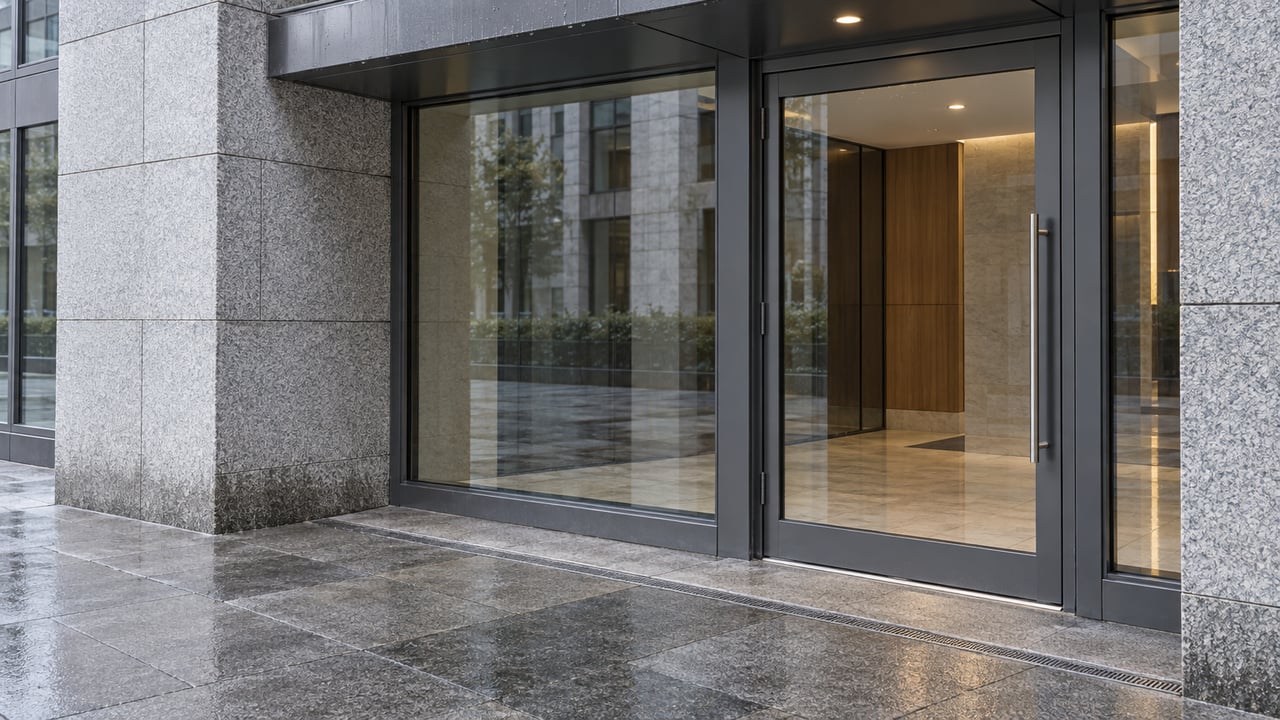
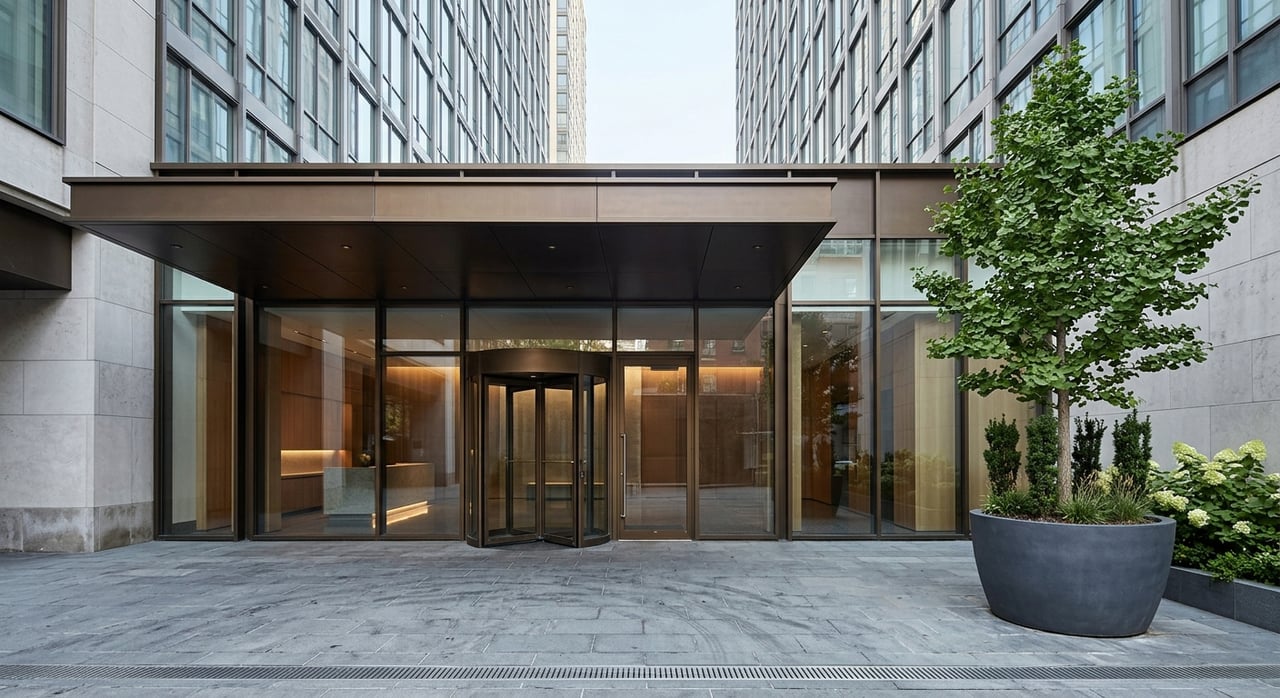
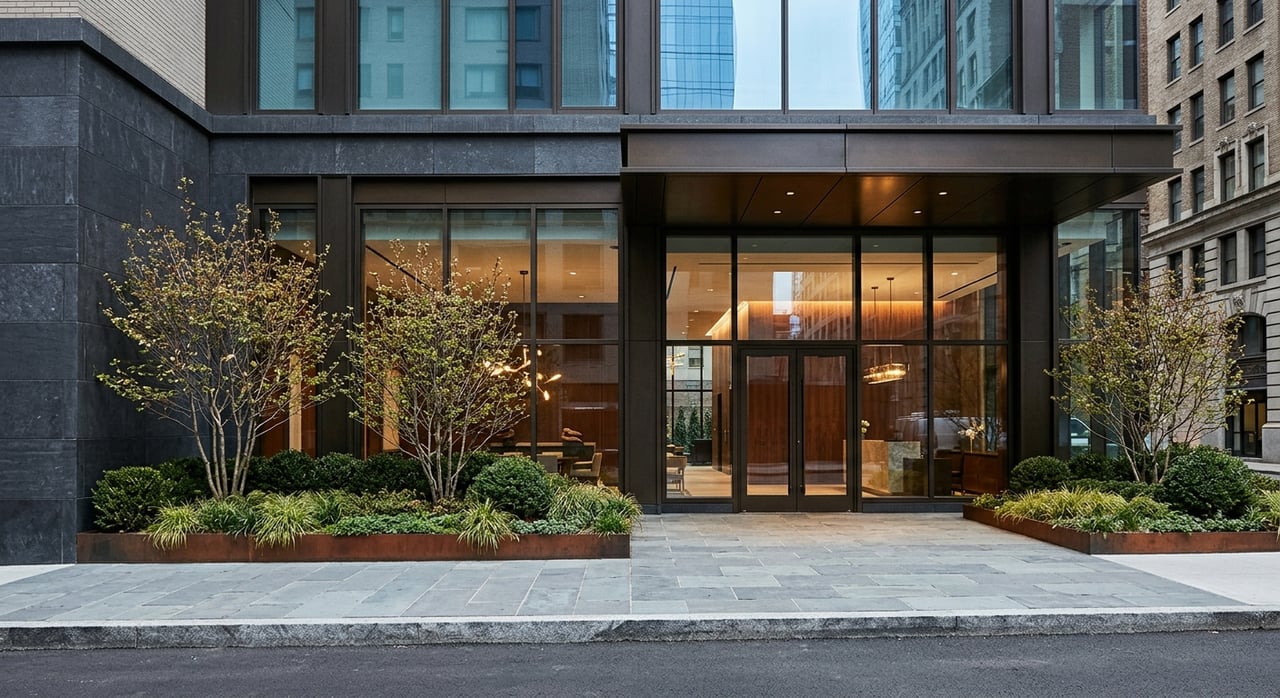
A full-service condo usually appeals to buyers who want managed upkeep, shared amenities, and a more lock-and-leave lifestyle. Instead of handling every building issue yourself, you are typically sharing responsibility through the condo association and monthly common expenses.
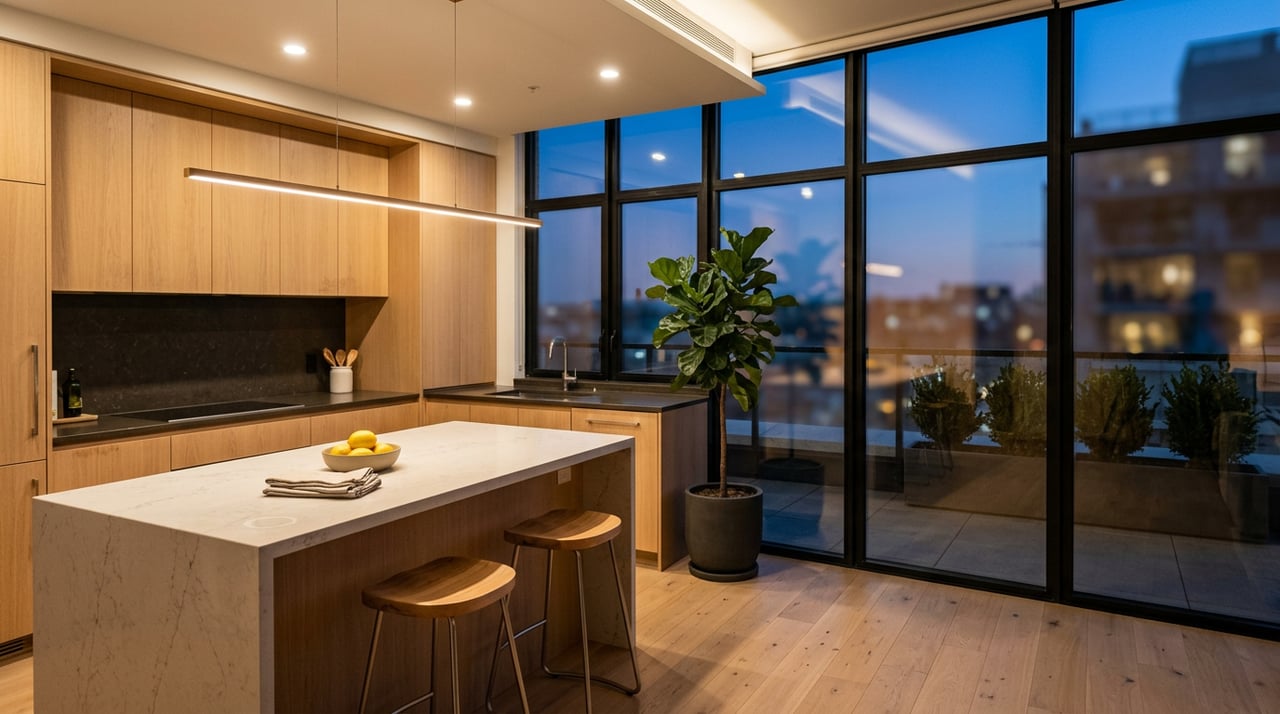
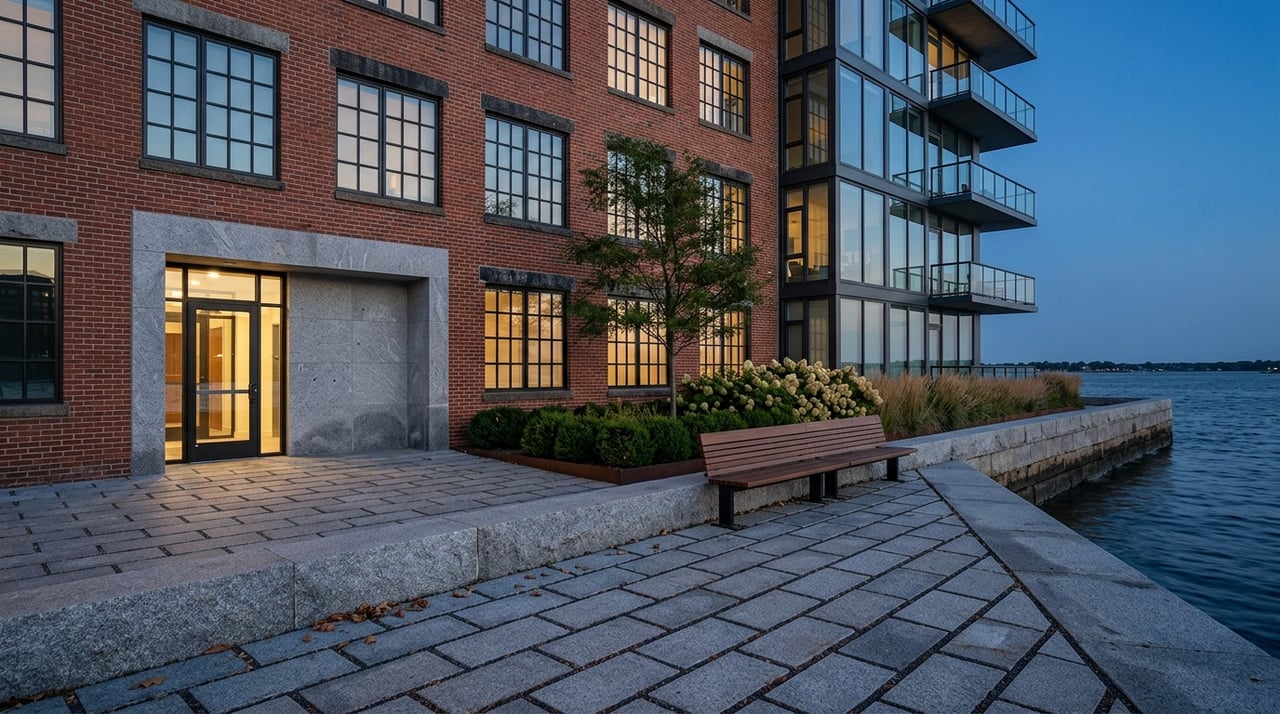
That can be especially attractive if you travel often, want more convenience, or simply prefer a building with staff and resident services. In the South End, some condo options also blend modern amenities with historic context rather than forcing you to choose one or the other.
What Buyers Often Value
The biggest draw is convenience. In published South End examples like The Quinn and 100 Shawmut, amenities include features such as concierge service, fitness space, resident lounges, dining or meeting areas, rooftop spaces, garage parking, and in some cases an indoor pool.
For many buyers, those services simplify daily life. You may be paying a premium for them, but that premium can feel worthwhile if ease and predictability are high on your list.
What to Watch Closely
Condo ownership comes with shared governance. Under Massachusetts condo law, unit owners own their units while common areas and facilities are managed through the condominium structure, with the organization of unit owners handling management and regulation.
That means your ownership experience is shaped not only by your unit, but also by the building’s budget, rules, maintenance planning, and overall health. Monthly dues are also a major part of the cost picture and are typically separate from your mortgage.
Comparing Monthly Costs and Upkeep
Many buyers make the mistake of comparing only the purchase price. In the South End, the smarter comparison is your total monthly cost plus your likely maintenance exposure.
A full-service condo may come with dues that range from a few hundred dollars a month to more than $1,000, depending on the building and service level. Those dues are separate from the mortgage, and you still need to budget for property taxes, insurance, utilities, and other housing costs.
A brownstone may have no large monthly condo fee, but that does not automatically make it less expensive to own. You may be taking on roof issues, masonry work, exterior repairs, or system updates directly, and those costs may be less predictable.
A Simple Way to Compare
Ask yourself these questions when reviewing options:
- Do you prefer predictable monthly costs, even if they are higher?
- Are you comfortable budgeting for larger, less predictable repair expenses?
- Do you want staff, amenities, and shared services?
- How involved do you want to be in building decisions?
- Would historic-district review feel manageable or frustrating to you?
Historic Character vs Modern Convenience
This is often the heart of the decision. If you picture exposed architectural detail, classic red brick surroundings, and a home that feels deeply rooted in the South End’s past, a brownstone may be the better fit.
If you picture concierge support, fitness access, garage parking, and lower day-to-day maintenance demands, a full-service condo may align better with your lifestyle. Neither is better across the board. The right answer depends on what you value most.
The South End Has Hybrid Options
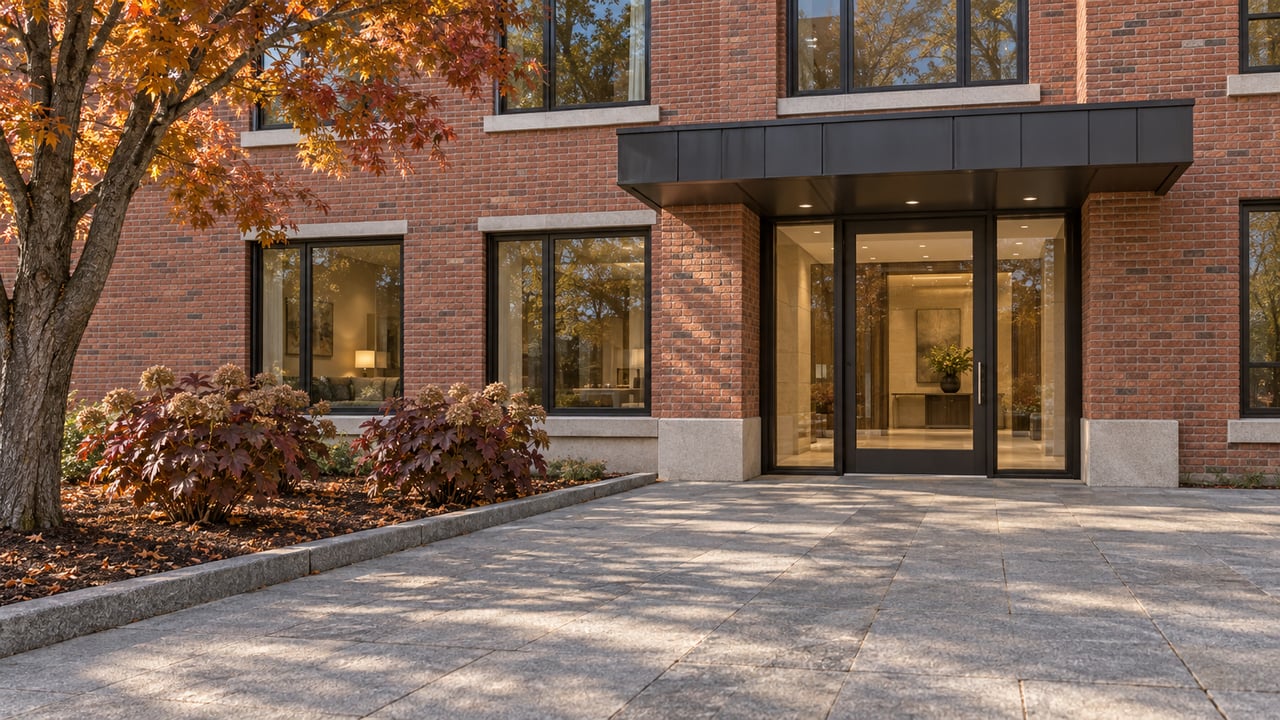
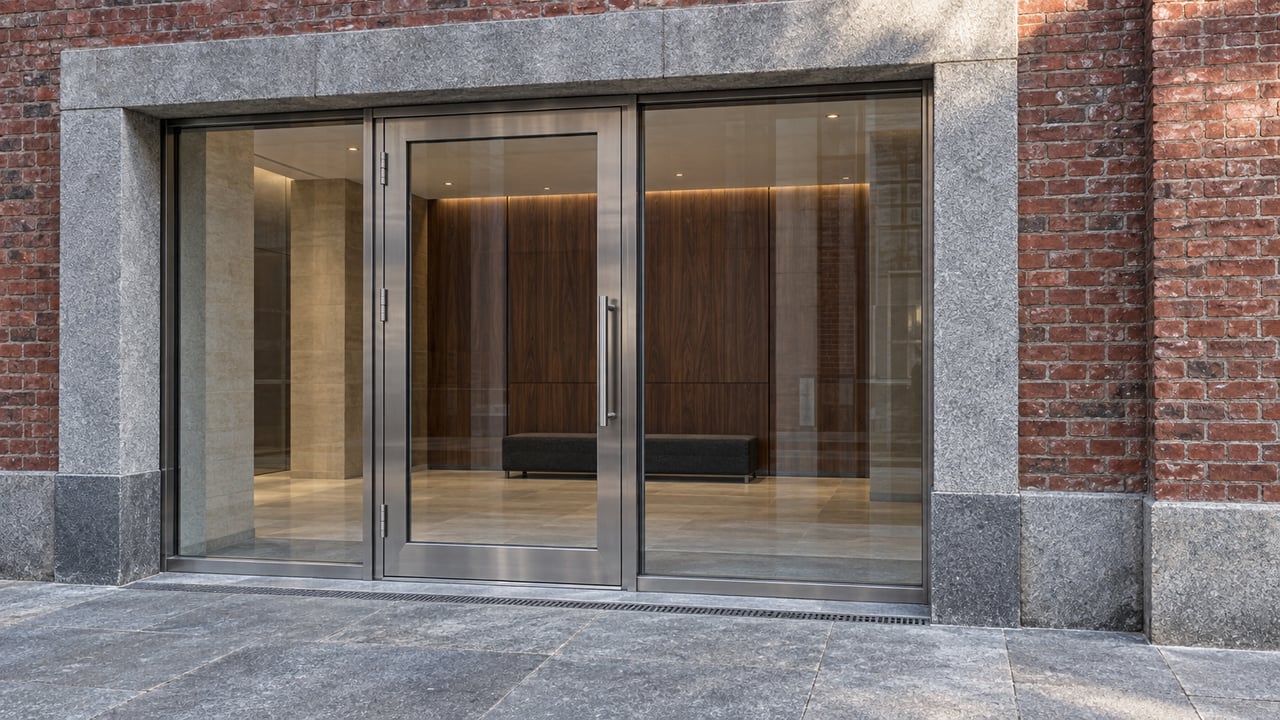
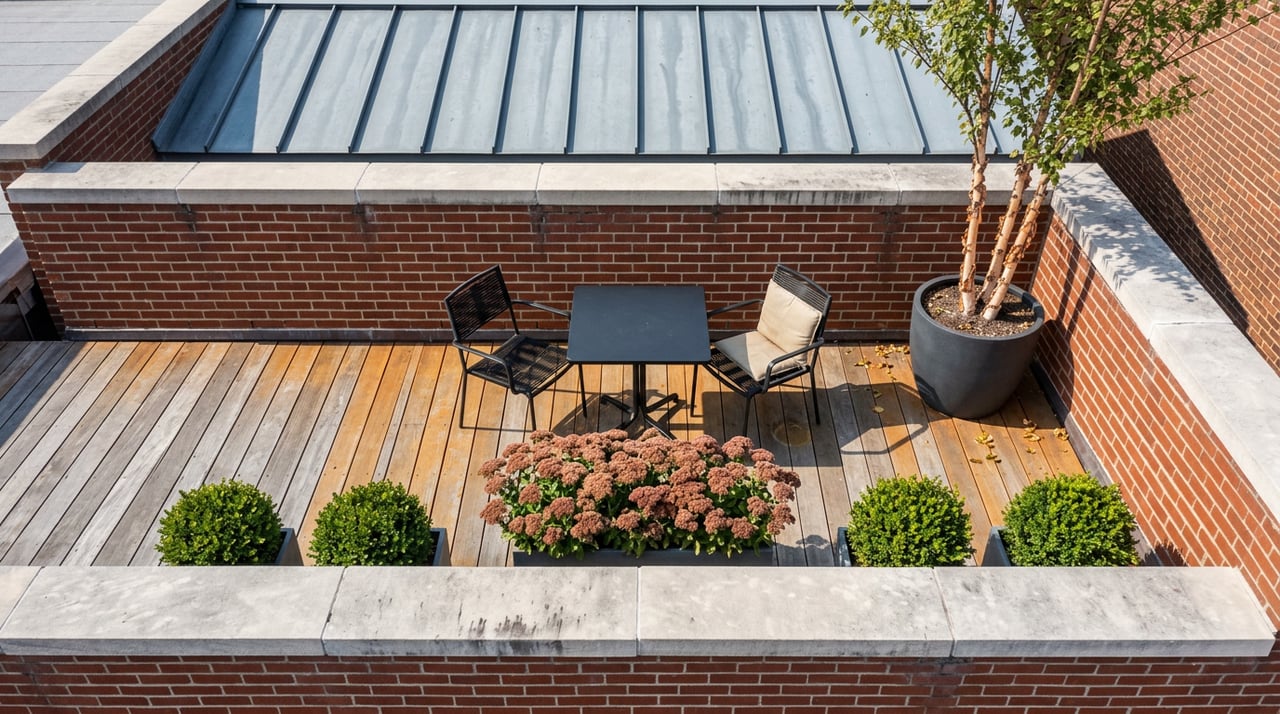
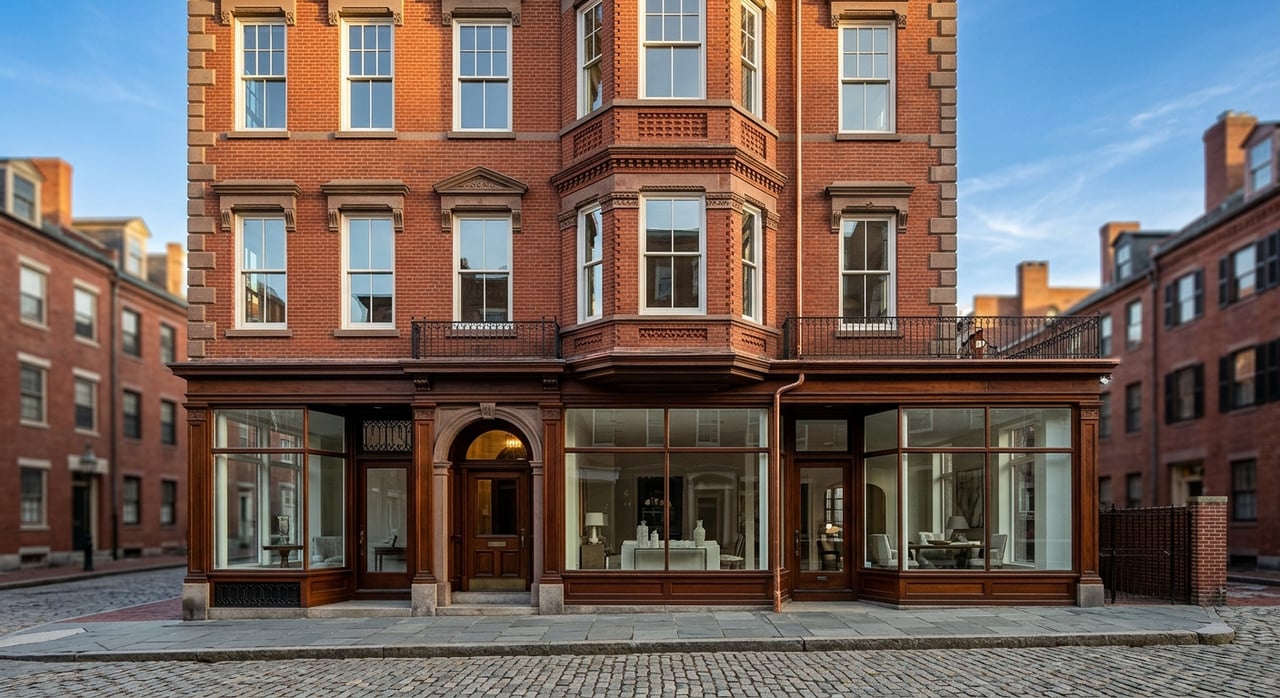
It is also worth remembering that this is not always a pure either-or choice. Some South End condo buildings sit within the Landmark District and were designed to preserve historic context while still offering modern amenities.
That matters because not every condo is a glass tower, and not every brownstone is a low-service ownership experience. In the South End, the lines can blur in useful ways.
Resale and Market Positioning
The South End sits firmly in Boston’s high-price tier, but different property types occupy different parts of that market. Public market sources show varying readings on current conditions, yet both point to a neighborhood where pricing remains strong.
Boston’s 2026 city report adds important context. It places the median single-family sales price in the South End at around $4 million in 2024 and 2025, while the citywide 2025 median condo sales price was $721,750. That gap helps show how true single-family brownstones can sit in a narrow premium segment, while condos tend to serve a broader slice of the market.
What That Means for You
If you buy a brownstone, you may be purchasing into a more limited and higher-priced segment. That can be appealing if you want rarity and architectural distinction, but it may also mean a smaller resale buyer pool.
If you buy a condo, your resale may be influenced not only by your unit but by the building’s reputation, amenity package, fee structure, and financial health. In other words, condo resale is often a building-level story as much as a unit-level one.
Financing and Future Flexibility
Financing is another area where the choice matters. With condos, lender review can extend beyond your individual finances because condo project eligibility can depend on the project itself.
That means the association’s condition and governance can affect financing for future buyers. For you, that is important not just at purchase, but later when you think about resale and marketability.
Brownstones have a different kind of complexity. You may avoid some of the shared-governance issues tied to condo buildings, but you will likely take on more direct responsibility for the property’s physical condition and any future capital needs.
Rental Flexibility Matters Too
The South End also has an active rental market. Realtor.com reported 557 rentals and a $4,000 median rent, which is useful context if you value the option to lease your home later.
That does not mean every property will perform the same way as a rental. Still, for buyers who want future flexibility, it is another reason to think carefully about building policies, carrying costs, and the type of unit you choose.
Which Option Fits Your Lifestyle?
A brownstone may be a better fit if you:
- Value historic detail and classic South End architecture
- Want more direct control over your property
- Are comfortable managing maintenance and repair decisions
- Understand that exterior work may require landmark review
- Are shopping in a narrower premium segment
A full-service condo may be a better fit if you:
- Prefer convenience and managed upkeep
- Want amenities such as concierge, fitness space, or parking
- Like the idea of more predictable shared maintenance costs
- Travel often or want a lock-and-leave home
- Are comfortable with condo rules, dues, and shared governance
The Smartest Way to Decide
The best South End purchase is not the one that sounds most impressive. It is the one that matches how you actually live, what level of responsibility feels comfortable, and how you want your home to perform over time.
In a neighborhood as nuanced as 02118, small details matter. Building structure, landmark constraints, monthly costs, service levels, and resale positioning can all change the answer from one block or building to the next.
If you are comparing a South End brownstone with a full-service condo, working with a team that understands both the neighborhood and the building-level differences can help you make a clearer, more strategic decision. If you want tailored guidance on South End options, reach out to The David Green Group.
FAQs
What is the main difference between a South End brownstone and a full-service condo?
- A South End brownstone usually offers more historic character and more direct maintenance responsibility, while a full-service condo typically offers shared upkeep, amenities, and building-level services.
Do South End brownstones fall under historic district rules?
- Many do. In the South End Landmark District, certain visible exterior changes require design review and approval before work begins.
Are condo fees included in a South End mortgage payment?
- Usually not. Condo or HOA dues are typically paid separately from the mortgage, and they should be included in your full monthly housing budget.
What amenities do full-service condos in the South End often offer?
- Published South End examples include concierge service, fitness centers, resident lounges, dining or meeting spaces, rooftop areas, garage parking, and in some buildings an indoor pool.
Is resale different for a South End condo versus a brownstone?
- Yes. Brownstones may appeal to a narrower premium buyer pool, while condo resale often depends on both the unit and the building’s finances, amenities, governance, and overall market position.
Can a South End condo still feel connected to the neighborhood’s historic character?
- Yes. Some South End condo projects were designed to preserve historic context while also offering modern amenities, so the choice is not always strictly old versus new.