What if you could have classic Boston architecture, a true neighborhood feel, green space close to home, and one of the city’s strongest dining scenes all in the same ZIP code? If you are considering a move to the South End, you are probably weighing more than square footage alone. You want to know what daily life actually feels like, what the housing stock looks like, and whether the neighborhood fits the way you want to live. This guide will walk you through the South End’s brownstones, parks, streets, and lifestyle so you can picture life in 02118 with more clarity. Let’s dive in.
Why South End stands out
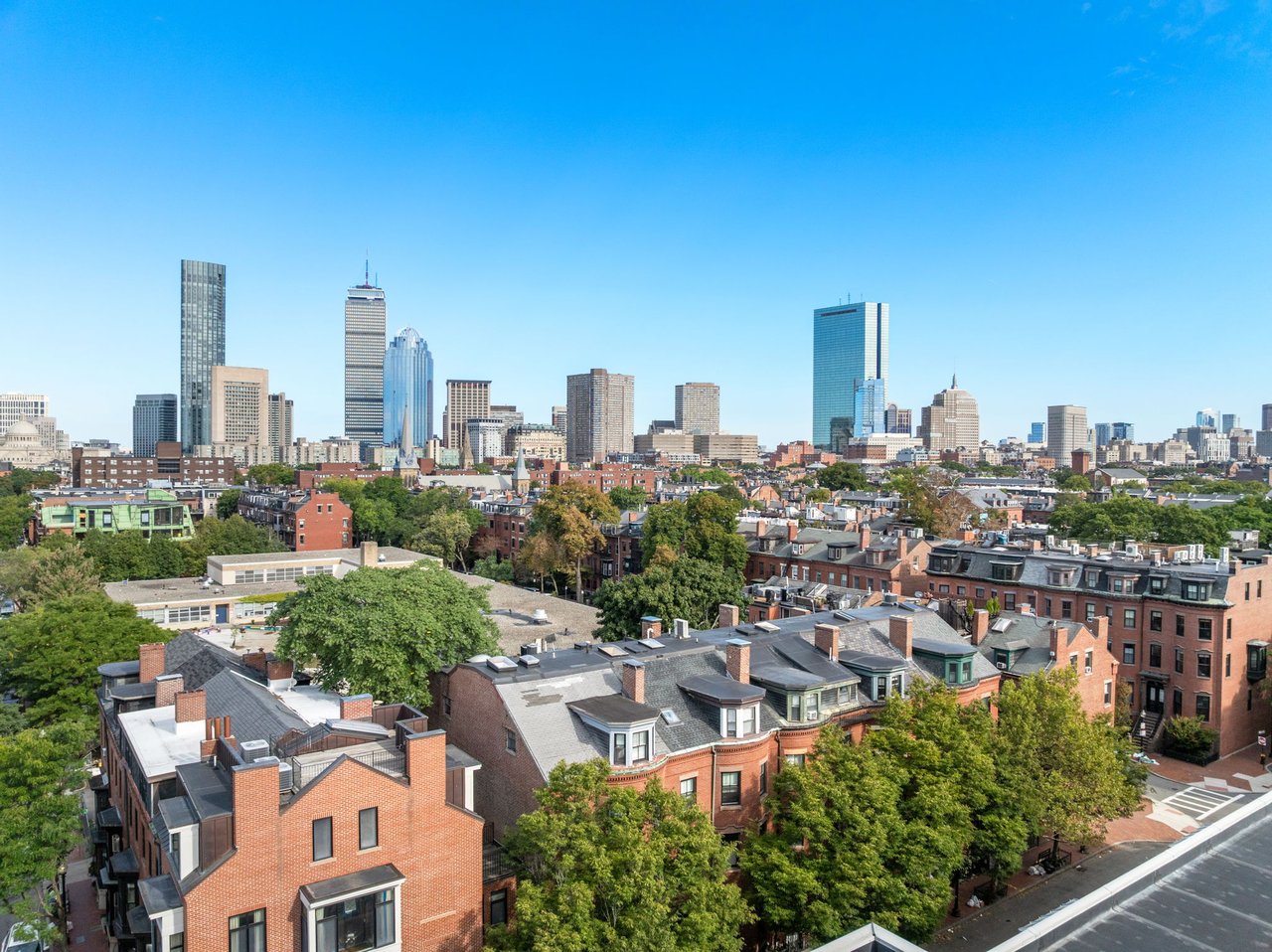
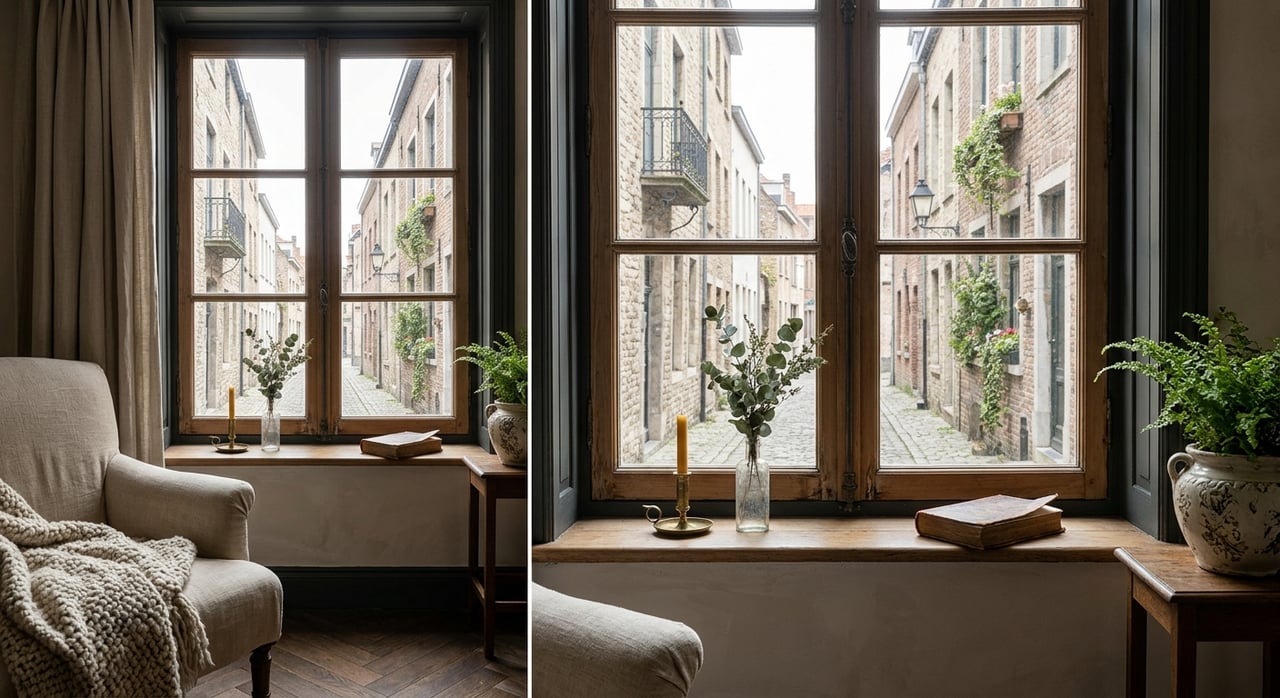
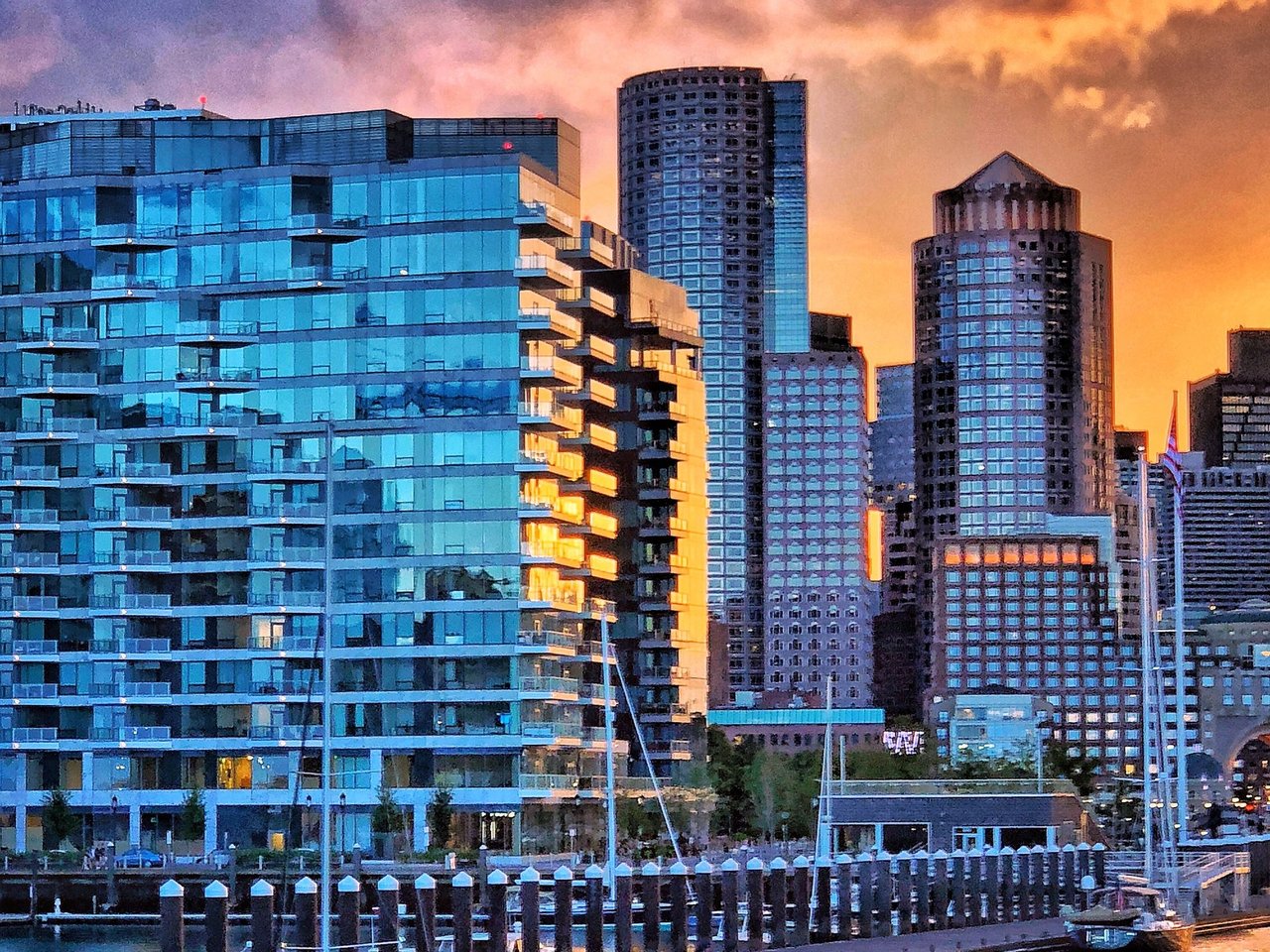
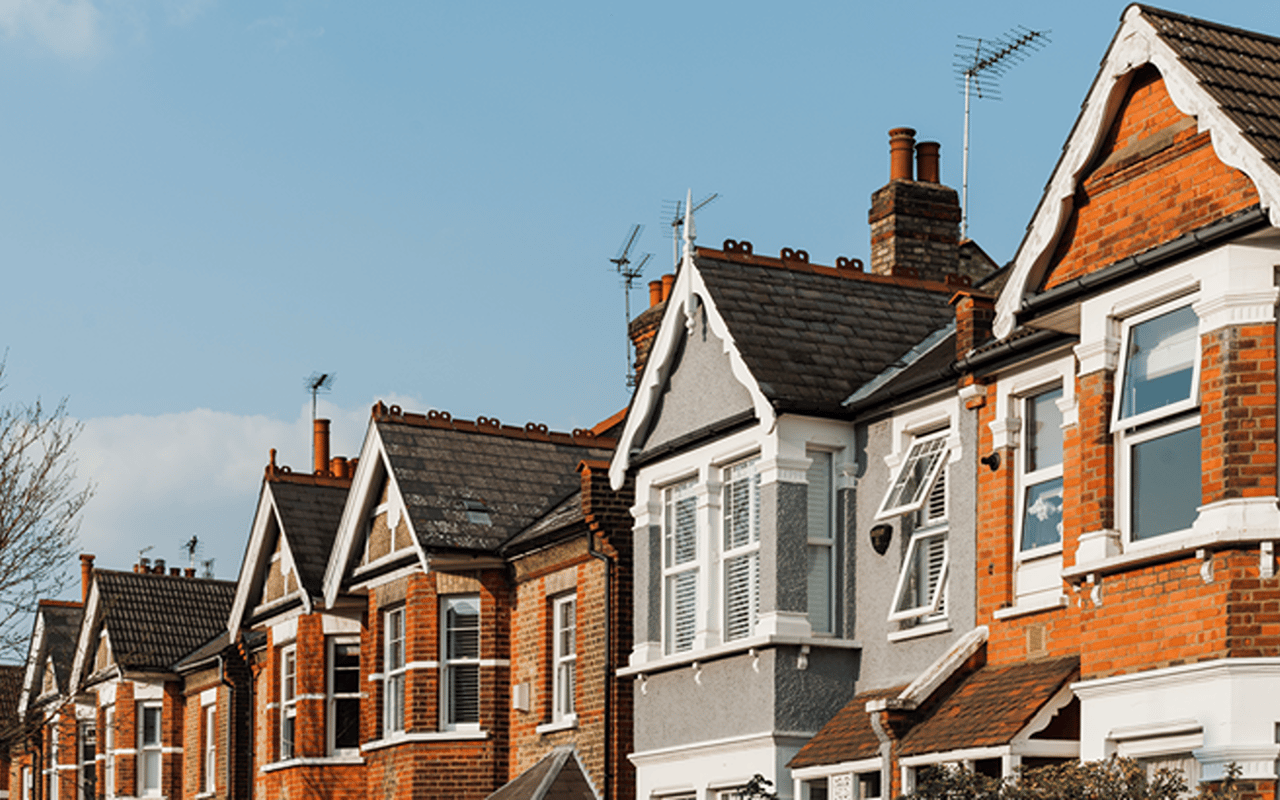
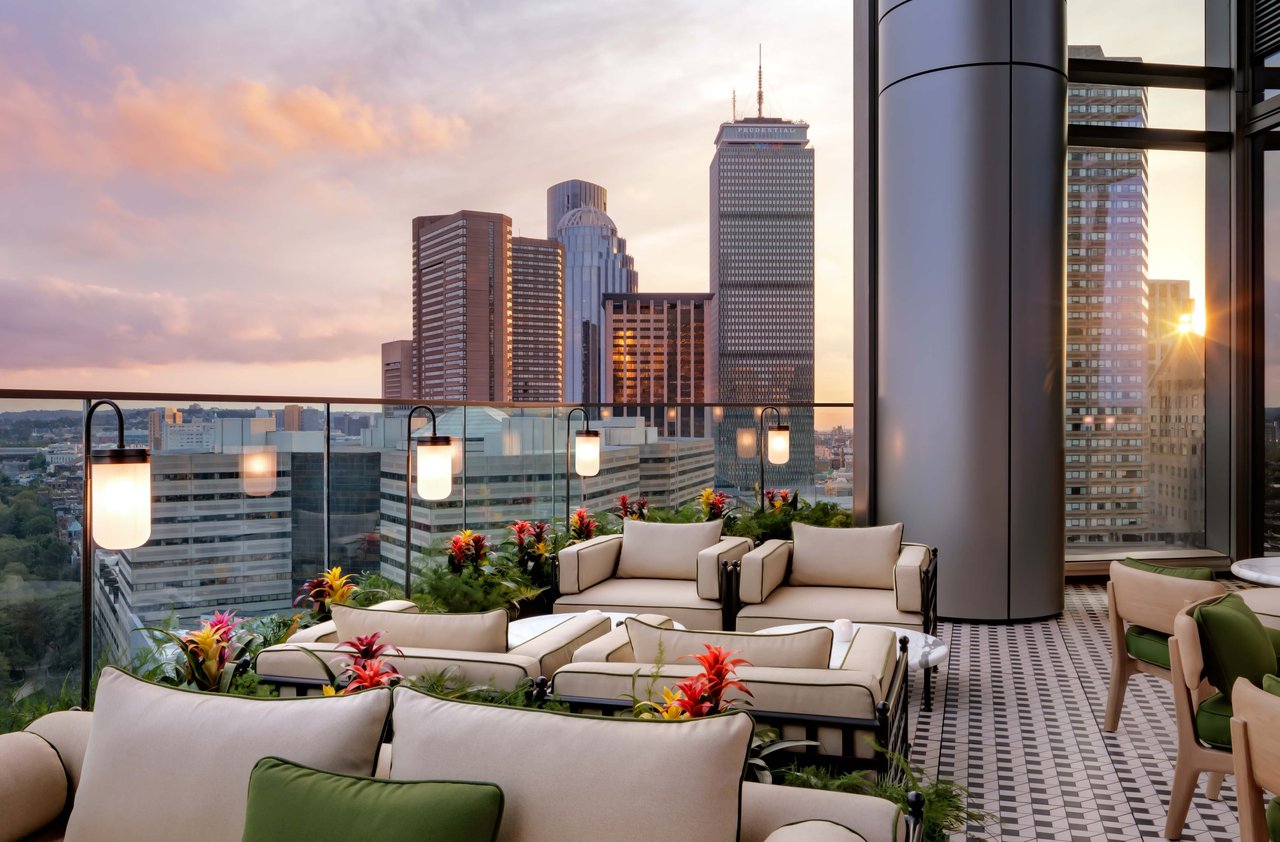
The South End sits just south of Back Bay in central Boston, with easy access to Downtown and Back Bay. City planning materials describe it as a neighborhood known for Victorian townhouses, many small parks, and a strong restaurant and arts scene. That combination gives the area a distinctive identity that feels both residential and energetic.
You also see that mix in the neighborhood’s main corridors. Tremont Street, Columbus Avenue, and Massachusetts Avenue carry much of the movement and activity, while Shawmut Avenue is known as a tree-lined street with boutiques and restaurants nearby. In practice, that means your block can feel calm while still keeping you close to dining, culture, and transit.
The South End is also shaped by how people move through it. In 2025 estimates, 29.6% of employed residents walked to work, 24.1% drove, 17.4% used public transportation, and 23.1% worked from home. Those numbers point to a neighborhood where walkability is not just a selling point, but part of everyday life.
South End housing at a glance
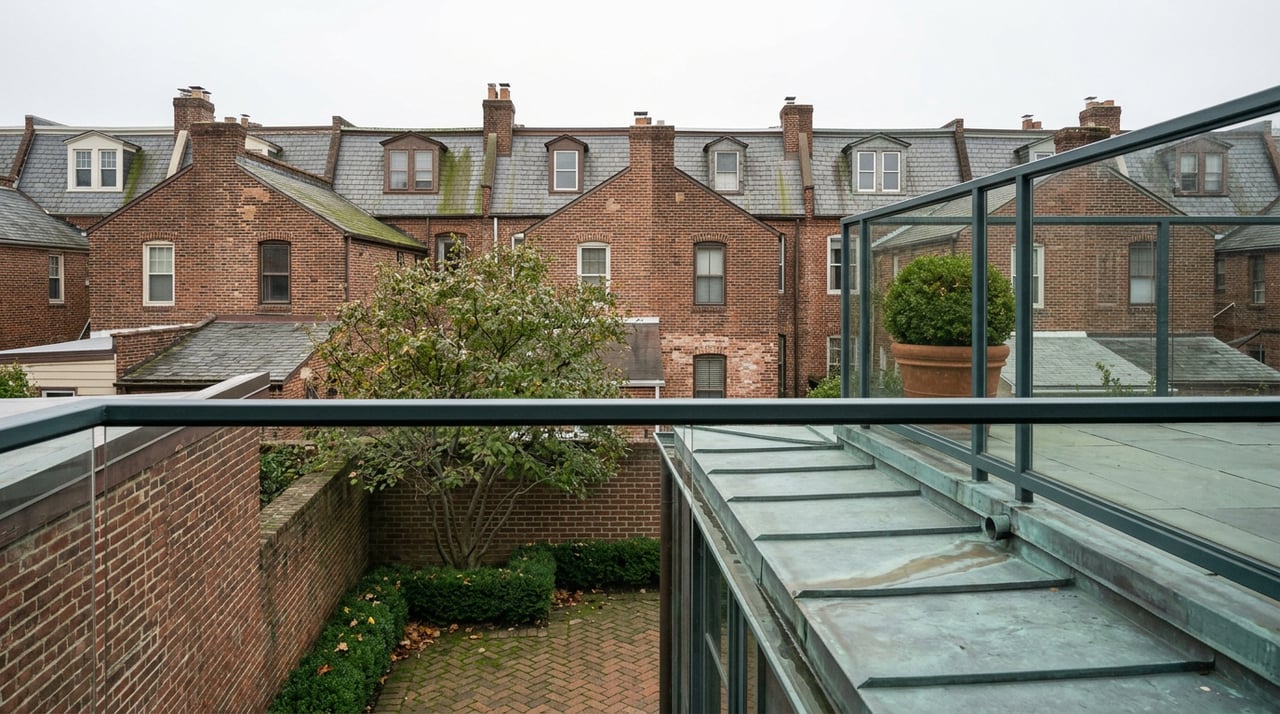
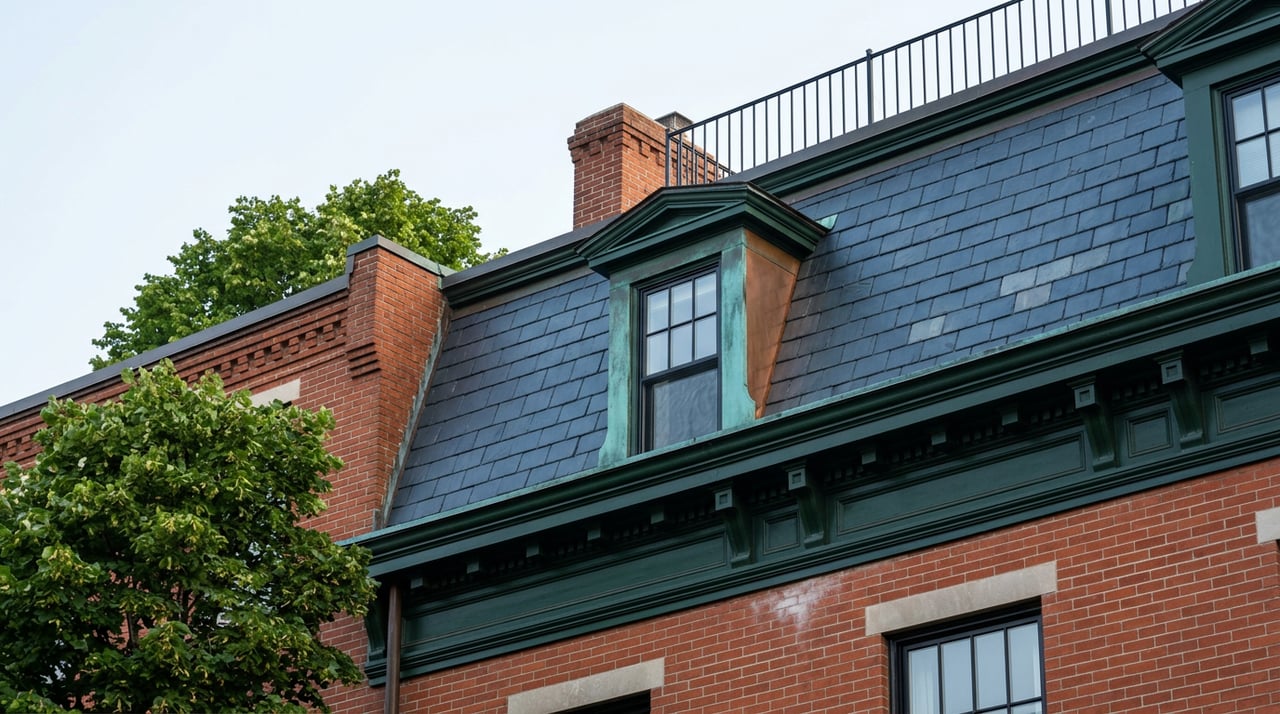
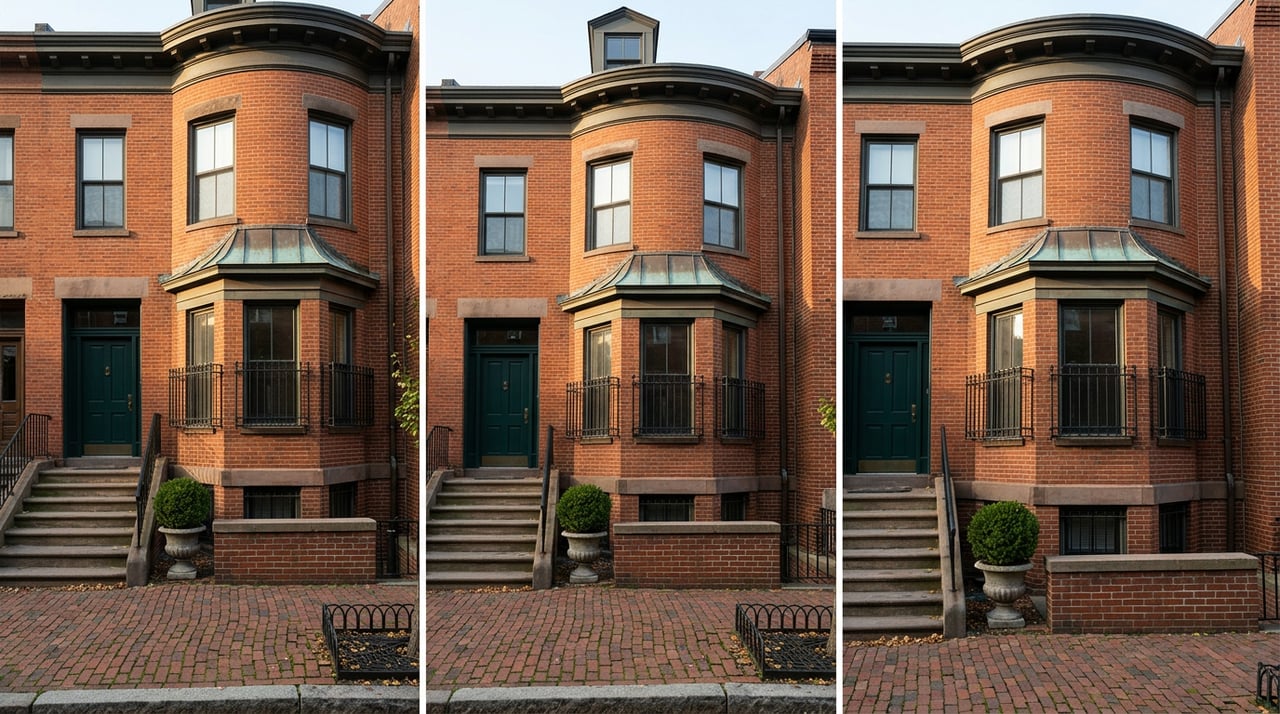
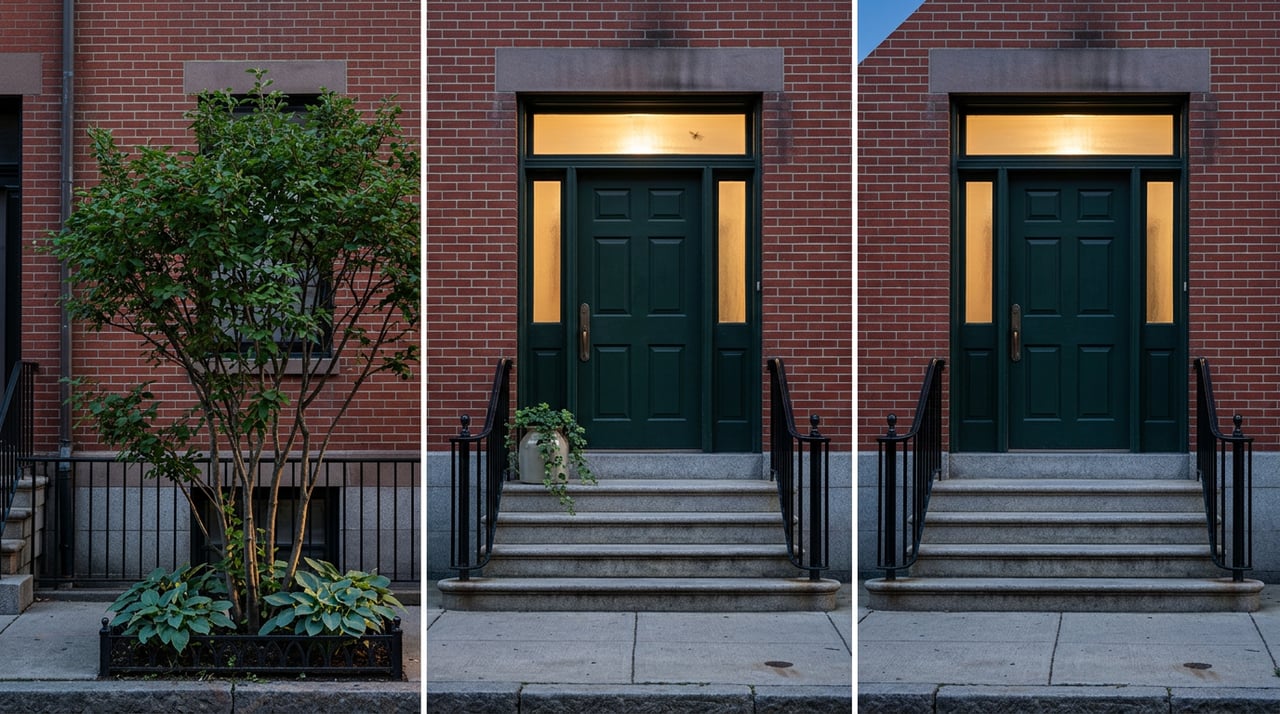
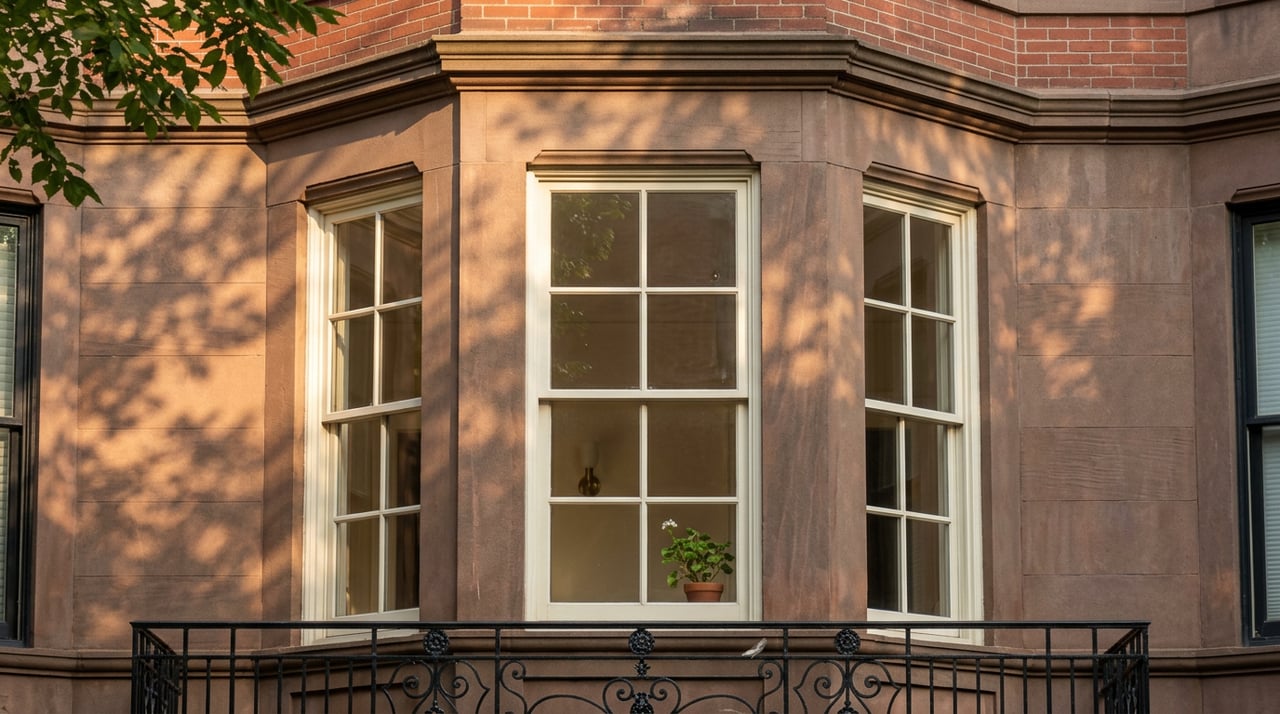
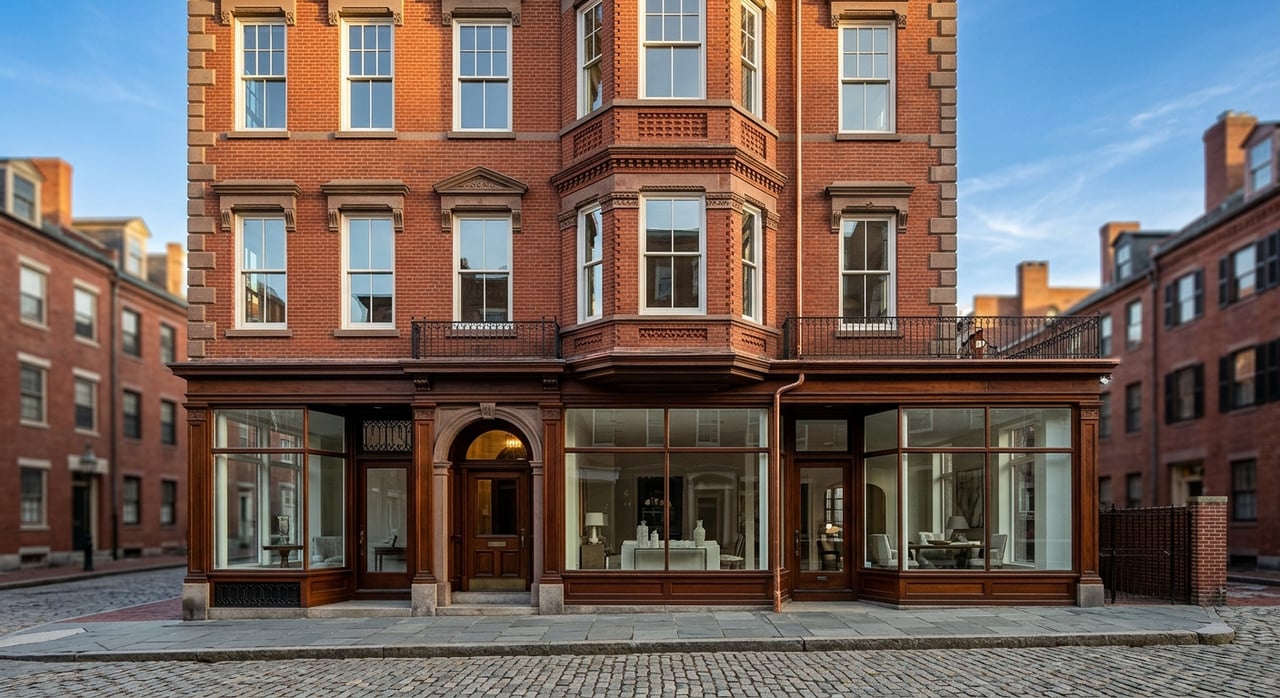
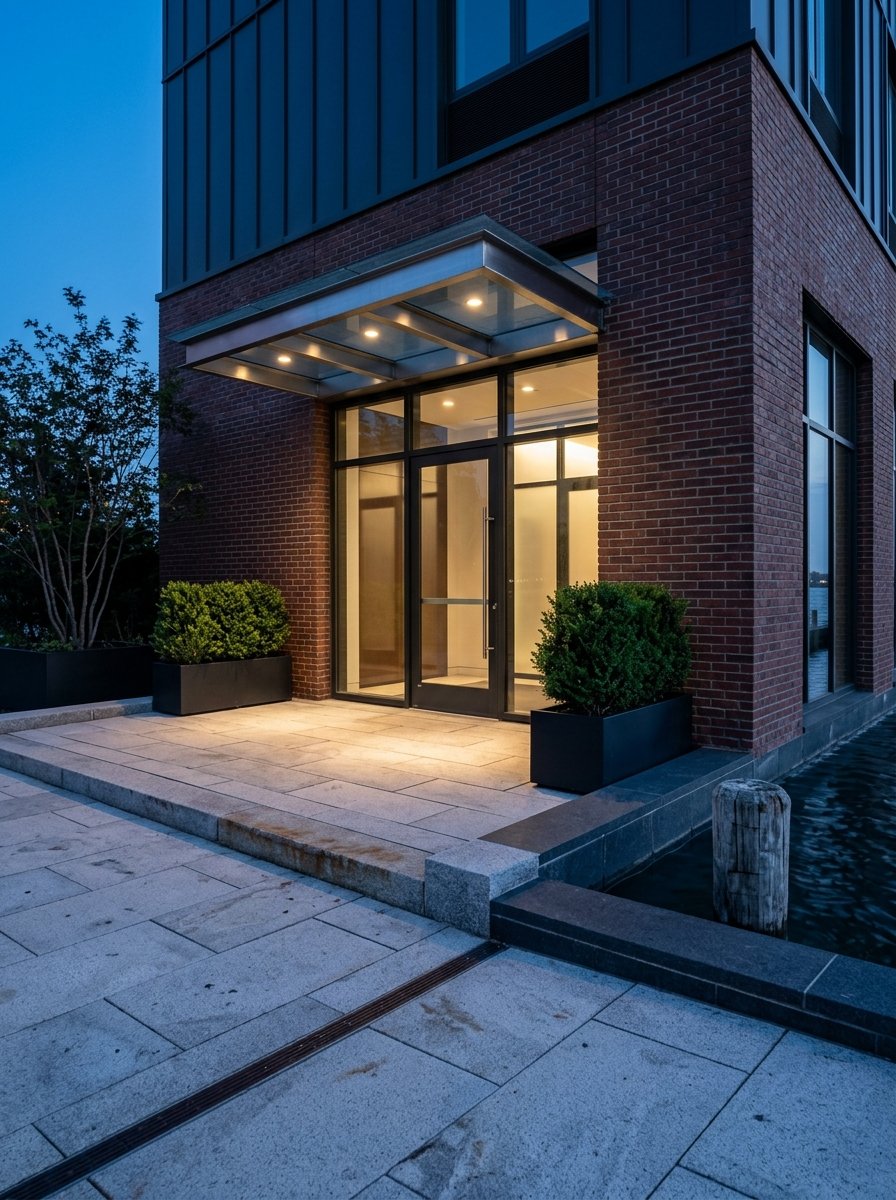
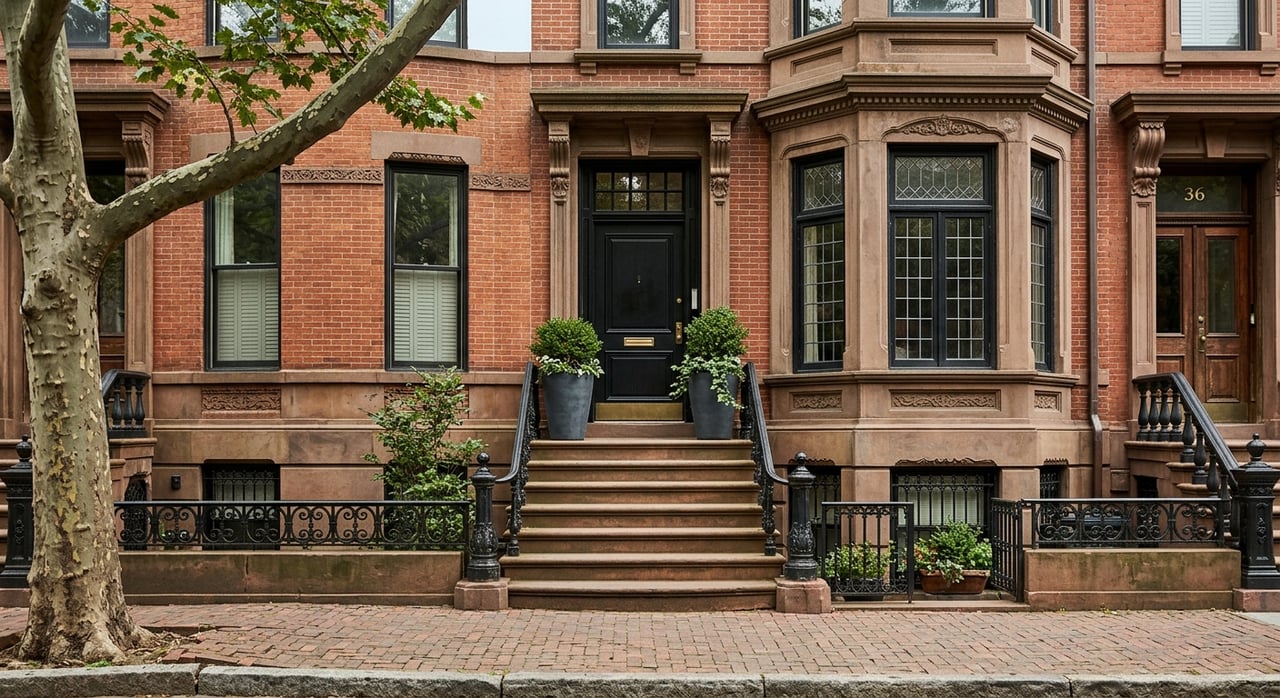
The South End’s visual identity starts with its historic architecture. The South End Landmark District was designated in 1983, and city materials describe the area as a cohesive district of 19th-century Victorian red-brick rowhouses. The neighborhood was also listed on the National Register in 1973 as the largest urban Victorian neighborhood in the country.
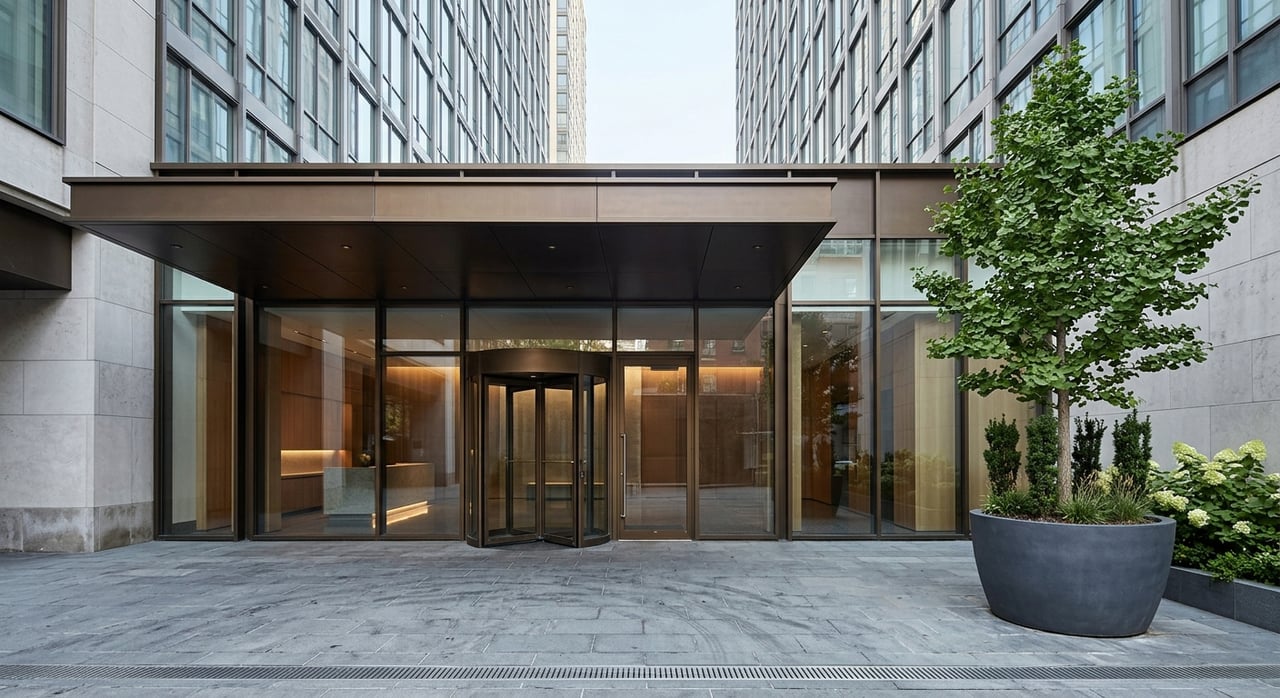
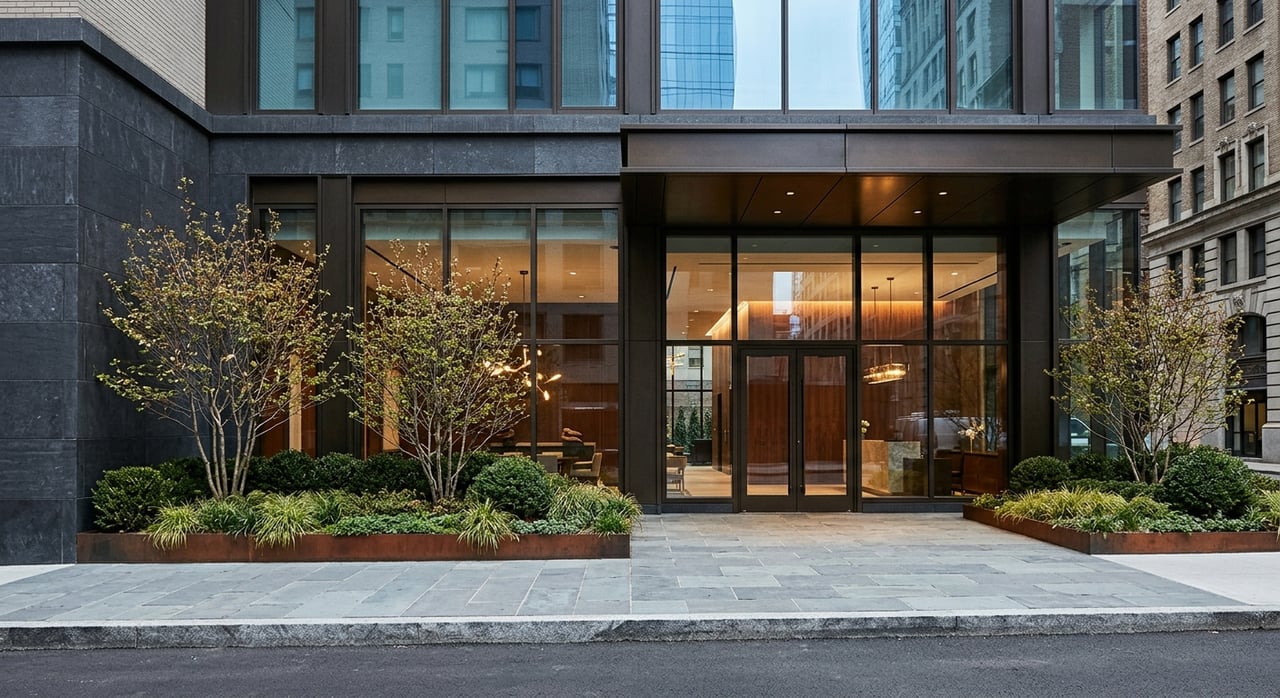
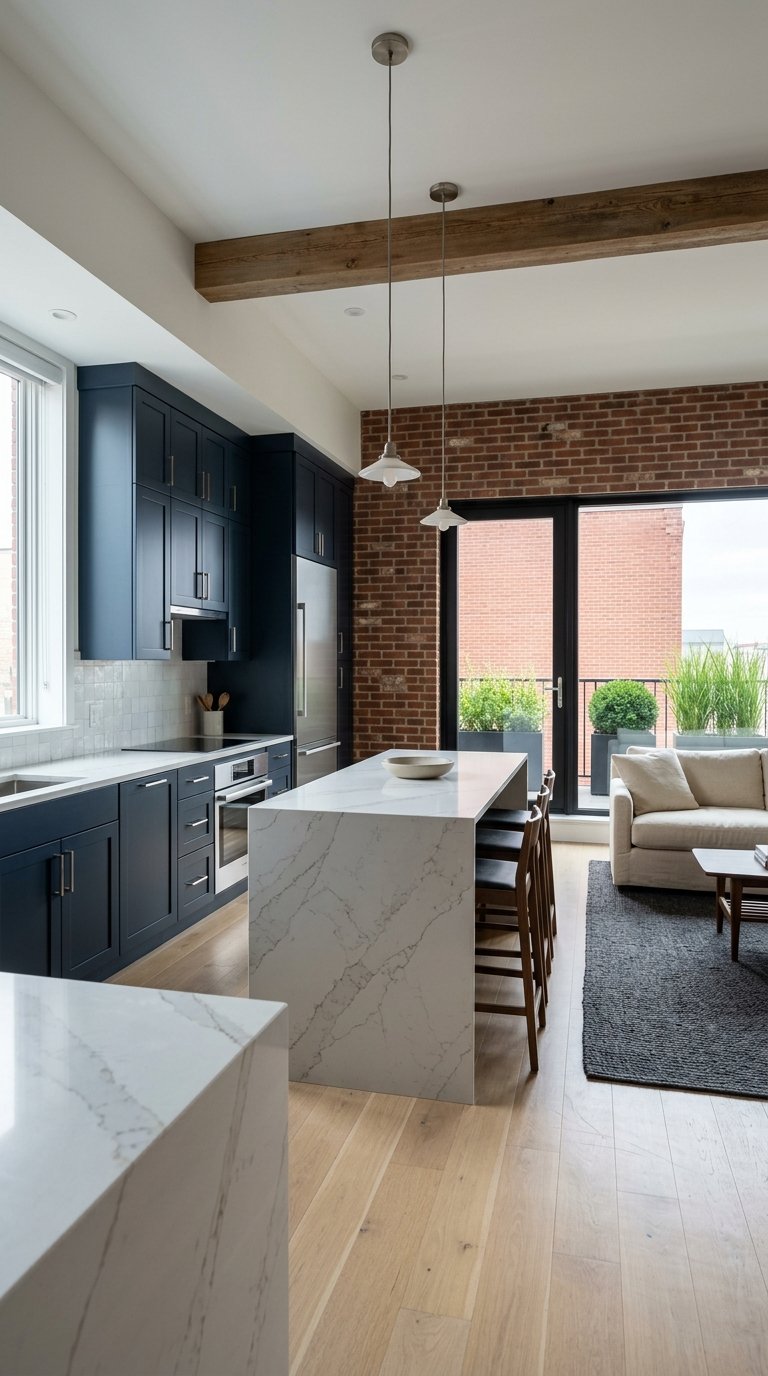
That historic character still defines the neighborhood today, but the housing mix is broader than many buyers first expect. Boston Planning describes the South End as a mix of historic brick town homes and publicly funded housing, and current housing data show a substantial condo and rental presence. So if you are asking whether the South End is mostly brownstones or condos, the practical answer is both.
In 2025 estimates, the South End had 19,214 total housing units and 17,811 occupied units. Of those, 6,913 were owner-occupied and 10,899 were renter-occupied. The unit mix leans smaller, with 47.3% of occupied homes classified as studios or one-bedrooms, 36.8% as two-bedrooms, and 15.9% as three-bedroom-or-larger homes.
What that means for buyers
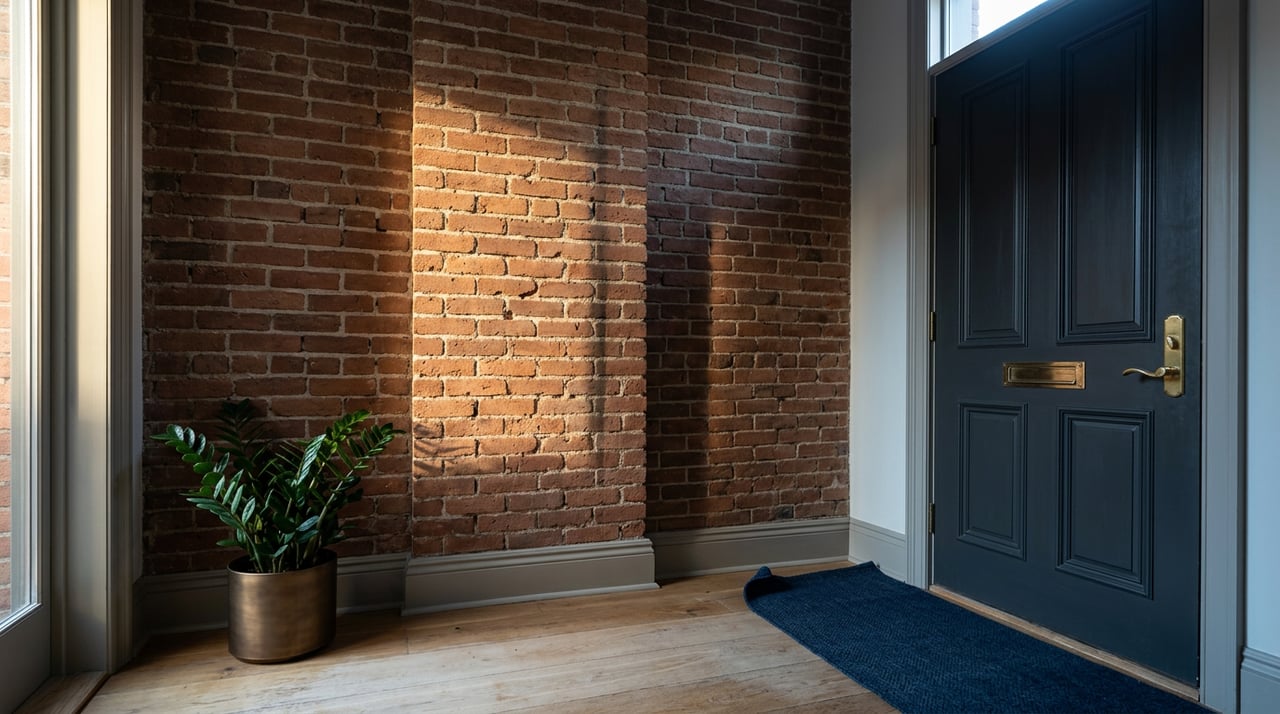
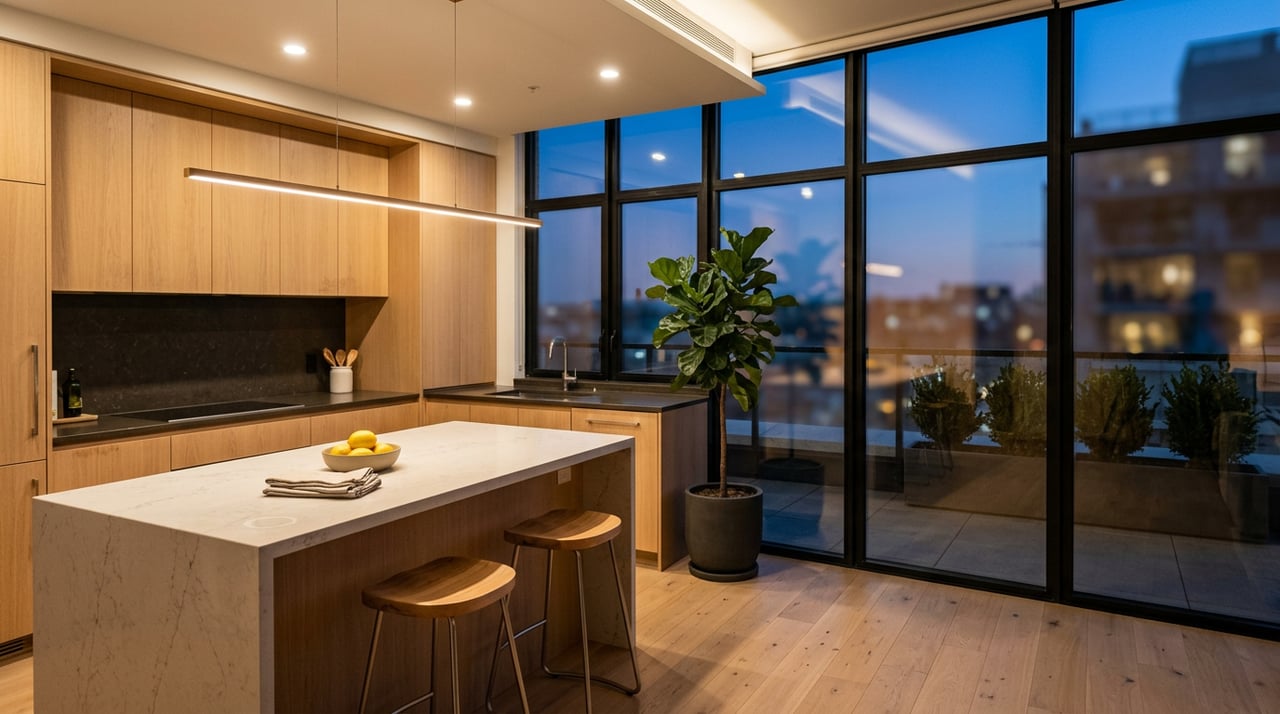
If you are buying in the South End, you will likely be choosing among several different property types. You may find a classic brownstone residence, a condo within a historic rowhouse, or a smaller home that prioritizes location and neighborhood access over size. That variety is one reason the South End appeals to first-time buyers, downsizers, investors, and luxury buyers alike.
It also means block-by-block differences matter. One stretch may feel more historic and residential, while another may be closer to restaurants, galleries, and busier traffic patterns. In the South End, micro-location matters as much as the address itself.
What owners should know about exterior changes
Historic character comes with practical considerations. In the South End Landmark District, exterior work visible from public ways is subject to review by the South End Landmark District Commission. That includes front façades, visible roof work, and side or rear elevations that face a public way.
For buyers, that does not need to be a drawback, but it is something to understand early. If you are considering renovations, especially visible exterior changes, it is smart to factor that review process into your planning and timeline.
Parks and green space in daily life
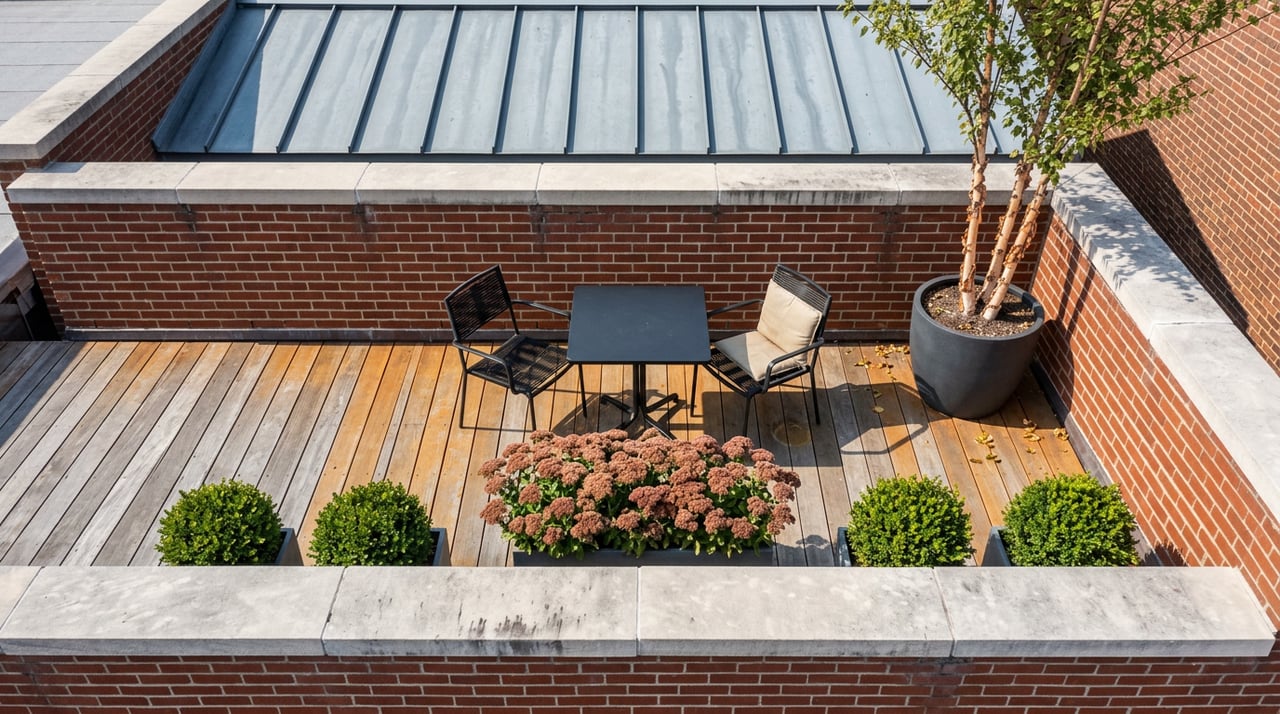
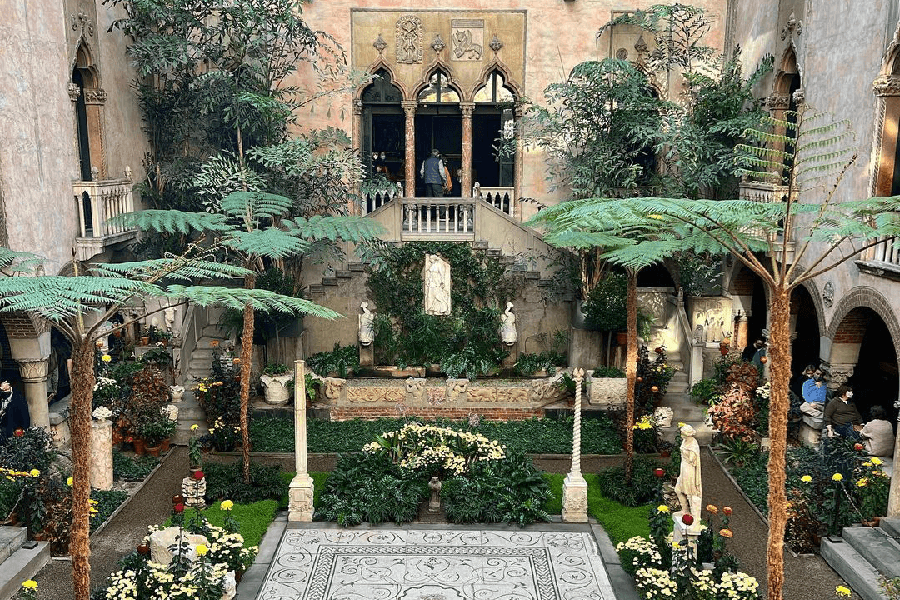
One of the South End’s biggest lifestyle advantages is how much green space is woven into the neighborhood. Boston.gov notes that the South End has nearly 30 parks, and the city highlights Blackstone and Franklin Parks as classically designed open spaces. The Southwest Corridor Path also adds a major linear greenway through the area.
This matters because the South End does not rely on one major park to carry the whole neighborhood. Instead, it offers a network of smaller outdoor spaces that support daily routines. Whether you want a playground, a walk, a place to sit outside, or a route for moving through the neighborhood, there are options close by.
Official park listings in the South End include Titus Sparrow Park, O'Day Playground, Peters Park, and Ringgold Park, among others. That concentration of parks helps explain why the neighborhood can feel livable and grounded even with its central location and urban density.
Recent park upgrades
Several South End parks have seen meaningful investment. O'Day Playground, which the city describes as a heavily used park in the heart of the neighborhood, has a project plan that includes inclusive play, pedestrian lighting, safety surfacing, and upgraded courts. The park is also associated with the Tito Puente music series.
Titus Sparrow Park reopened in 2024 after renovations that added new play equipment, updated sport courts, lighting, planting, drainage, and hardscaping. For residents, these improvements support the kind of everyday neighborhood use that makes a location feel functional, not just attractive on paper.
Dining and arts shape the neighborhood
If architecture gives the South End its look, dining and arts give it much of its energy. Boston.gov describes the neighborhood as home to a thriving arts community and some of Boston’s best restaurants. That combination is a major part of what draws buyers and renters to the area.
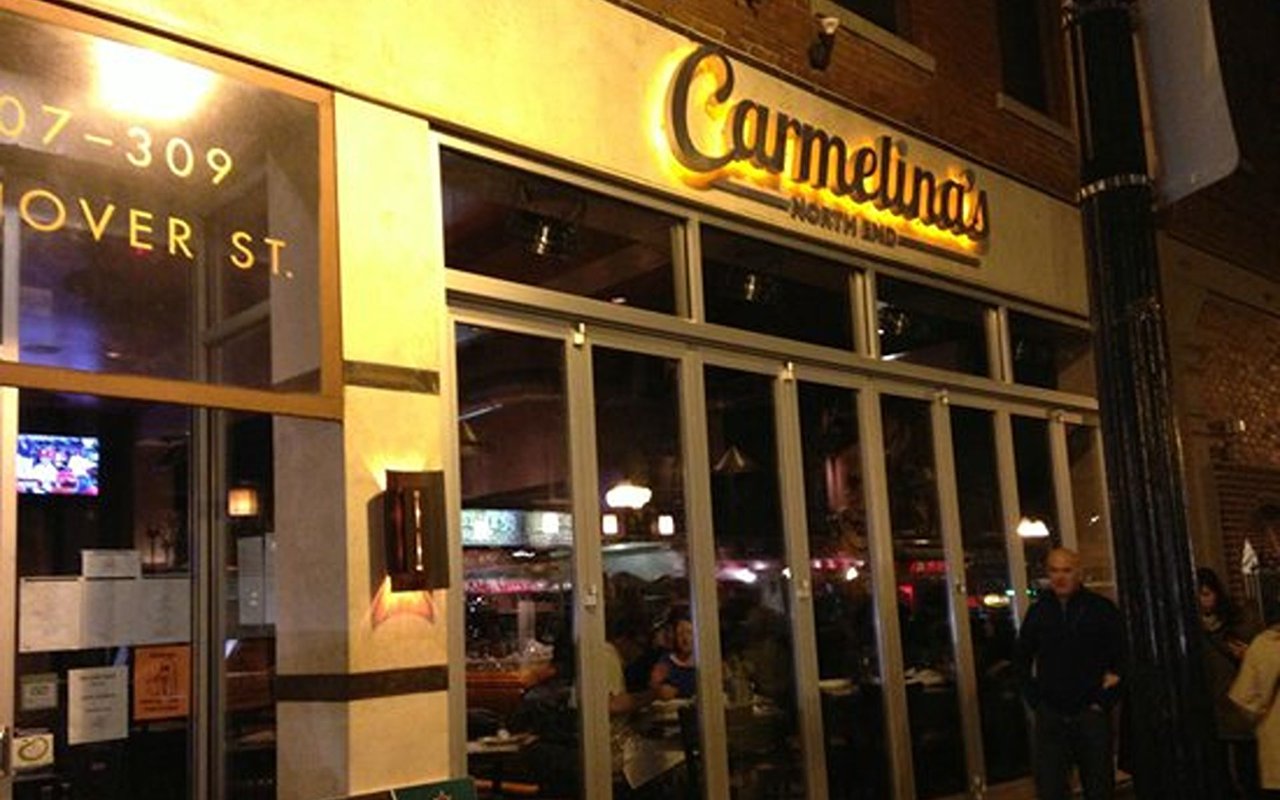
The dining scene is broad for such a compact central neighborhood. A 2025 South End restaurant guide from Eater Boston describes options ranging from classic breakfast spots to sushi omakase, Greek food, and other global cuisines. Examples named in that guide include Bar Mezzana, Charlie's Sandwich Shoppe, Kaia, Myers + Chang, Mida, and Yunnan Kitchen.
What matters most is not any single reservation. It is the fact that you can build real routines around the neighborhood, whether that means meeting friends for dinner, walking to coffee, or trying a new place without leaving the area. For many buyers, that everyday convenience becomes part of the home search decision.
SoWa and the arts community
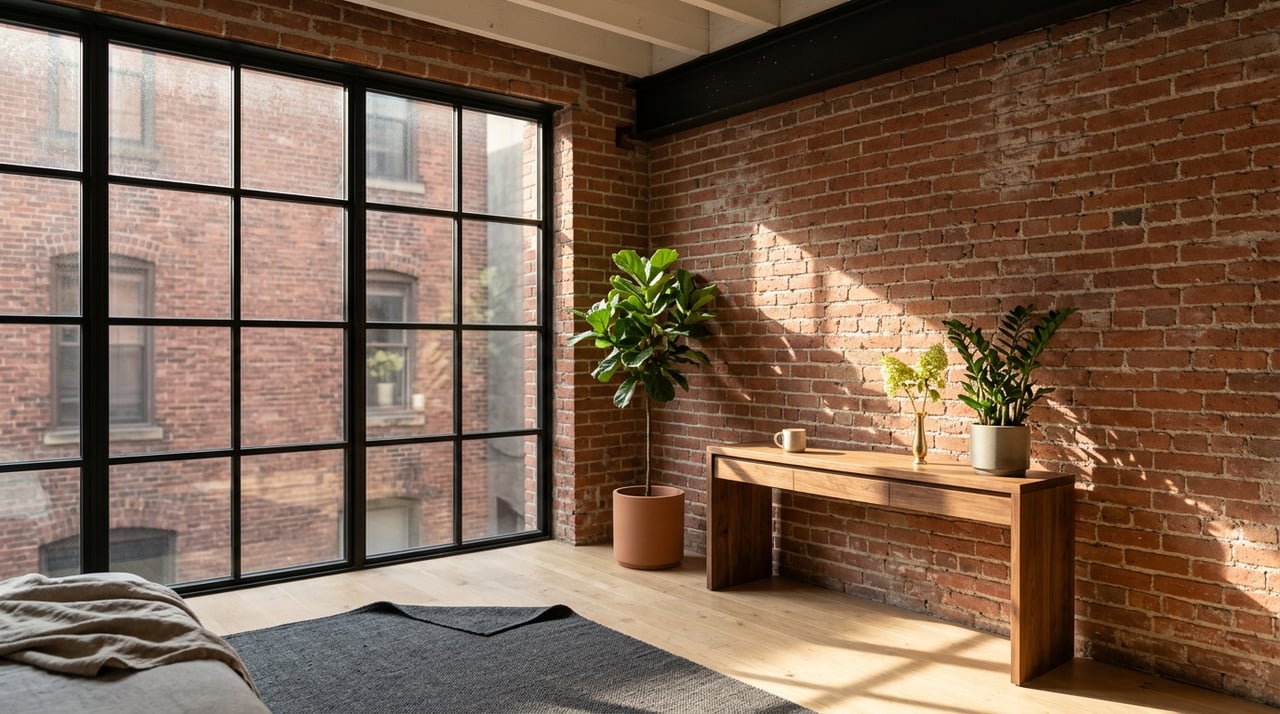
The South End’s creative side is not just a backdrop. SoWa Boston presents itself as the South End’s Art + Design district, with restaurants, artist studios, galleries, home décor showrooms, and boutiques in reclaimed warehouse buildings. Its Open Market runs on Sundays from May through November and combines vendors, food trucks, and art shopping.
The Boston Center for the Arts is another major anchor in the neighborhood. Its South End Open Studios event brings visitors into working studios, and the BCA Studio Residency supports more than 50 artists each year in the South End. Boston.gov also notes that South End Open Studios now spans a dozen studio buildings and more than 250 artists.
Together, these institutions help make the South End feel layered and active. You are not just moving into a residential area. You are moving into a neighborhood where arts, design, and food are part of the street-level experience.
Is South End living right for you?
The South End tends to appeal to buyers and renters who want a walkable Boston lifestyle with architectural character. If you value historic streetscapes, nearby parks, local dining, and access to central Boston, the neighborhood checks many boxes. It can be especially compelling if you want an urban home where your surroundings contribute to your daily routine.
At the same time, it helps to be realistic about the housing mix. Many homes are studios, one-bedrooms, and two-bedrooms, so space can look different here than it does in other parts of Boston or the suburbs. If your priorities include size, renovation flexibility, or a very specific street feel, a focused neighborhood and block-level search becomes important.
That is where local guidance matters. In a place like the South End, understanding the difference between one rowhouse block and the next, or between a landmark district property and a more flexible condo setup, can make your search much more effective.
If you are weighing a move to the South End, the right strategy starts with how you want to live, not just what is currently on the market. The David Green Group helps buyers, sellers, renters, and investors navigate Boston’s neighborhood-level decisions with clear advice, strong market knowledge, and a high-service approach.
FAQs
Is the South End in Boston mostly brownstones or condos?
- The South End is a mix of both. Its historic identity is defined by Victorian red-brick rowhouses and brownstones, but today the housing stock also includes many condos and rentals.
Are there many parks in the South End neighborhood?
- Yes. Boston.gov says the South End has nearly 30 parks, including Blackstone and Franklin Parks, Titus Sparrow Park, O'Day Playground, Peters Park, Ringgold Park, and the Southwest Corridor Path.
What is daily life like in Boston’s South End?
- Daily life in the South End is shaped by walkability, neighborhood parks, dining, and access to central Boston. In 2025 estimates, walking to work was the most common commute among employed residents.
Do South End homeowners need approval for exterior renovations?
- In many cases, yes. Exterior work visible from public ways in the South End Landmark District is reviewed by the South End Landmark District Commission, including front façades and visible roof work.
Is the South End a good fit for buyers who want restaurants and arts nearby?
- Yes. The neighborhood is known for a strong restaurant scene, SoWa’s art and design district, and cultural anchors like the Boston Center for the Arts and South End Open Studios.