Communication is key when it comes to negotiating a rent agreement, but advocating for yourself is even more important. Especially before you sign on the dotted line.
“I think it would be great if people would speak up before they sign something,” Jordana Roubicek Greenman, a Boston-area lawyer, said. Prospective tenants should know how to spot something illegal on a lease document, so we turned to Greenman, as well as Doug Quattrochi of the MassLandlords advocacy group, for more information.
Here are five things that shouldn’t be in your lease agreement:
1. A demand that tenants waive their right to a jury trial
According to Massachusetts law, tenants have the right to a jury trial when it comes to any issue related to real estate. “Any court in the whole state is going to throw that clause out,” Quattrochi said.
2. A late fee that is imposed sooner than 30 days past the due date
Under state law, renters get a short grace period, 30 days, before the fee can be assessed, according to Greenman.
3. Language that prohibits tenants from having children live with them
This is discrimination, plain and simple. “Some landlords will try to put some things in the agreement that say only the occupants listed below are authorized, and anyone else, especially any kids that appear, may be grounds for eviction,” Quattrochi said. “You absolutely can’t do that, because people have a right to have kids.”
4. A provision that makes tenants liable for snow removal
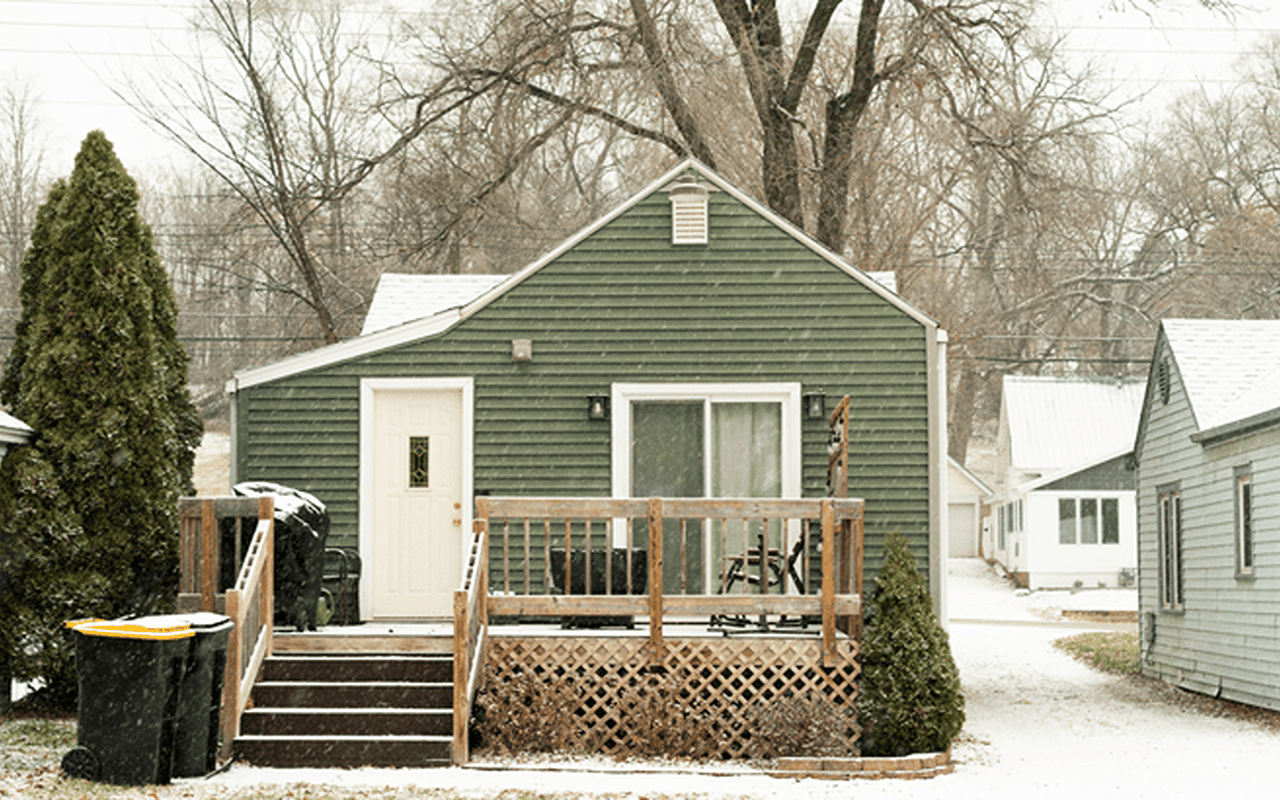
Landlords cannot include a provision in the lease that would hold the tenant responsible if someone is injured on the property in hazardous conditions, Greenman said. If the rental agreement says the landlord will handle snow removal, the landlord can be held responsible for injuries. That said, landlords can require tenants to clear driveways, but not public walkways. The landlord and prospective tenant should discuss these terms when setting the rent, Greenman said.
5. Language that requires tenants to pay utilities that are not sub-metered
Landlords must charge each unit only for what they are using. If there are not separate meters for every unit, the landlord cannot charge a universal utilities fee. If there is a building with two units, there needs to be one meter in each unit to measure accurately the utilities being used. Even if the tenants agree to split the utilities, there needs to be a measure of how much electricity and water each one is using, Greenman said.