If you are thinking about buying in Boston’s North End, you are probably asking two questions at once: Will I love living there, and will the condo hold up as an investment over time? That is the right way to look at this neighborhood. North End condos can be compelling long-term assets, but they are usually driven more by location, scarcity, and resale strength than by immediate cash flow. In this guide, you will see what the latest data says, what types of units tend to stand out, and what to weigh before you buy. Let’s dive in.
Why North End draws long-term demand
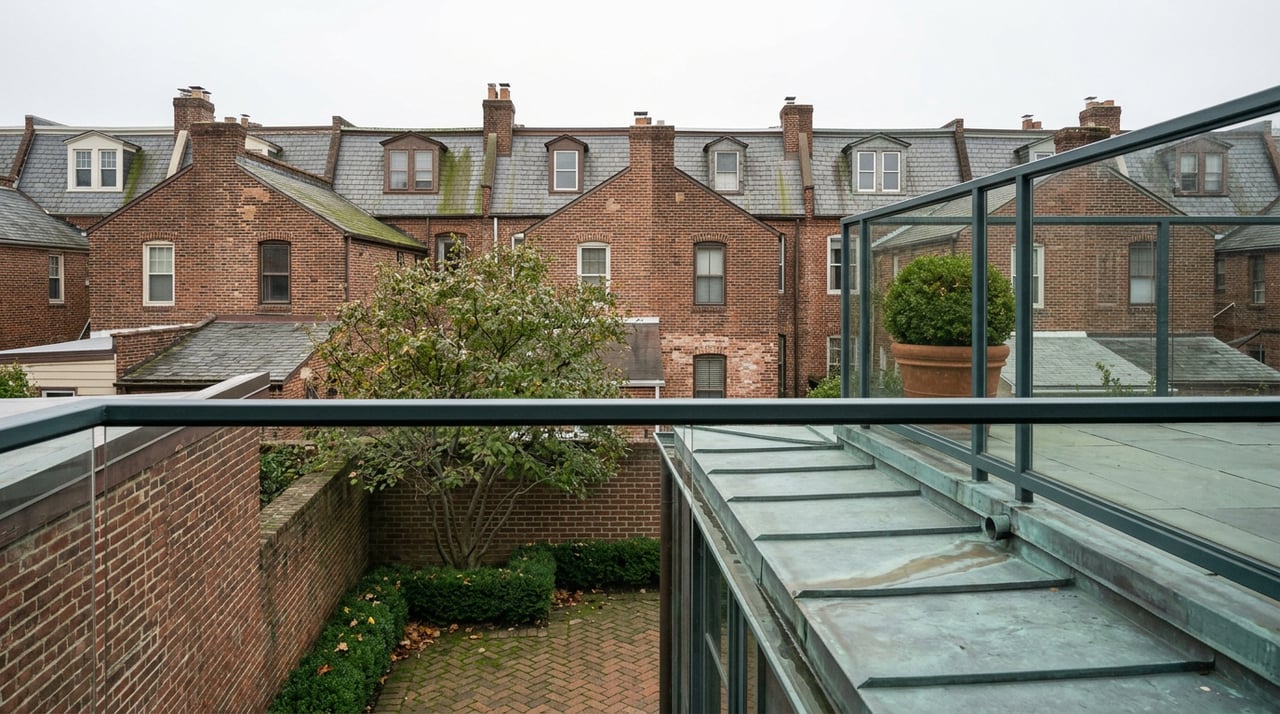
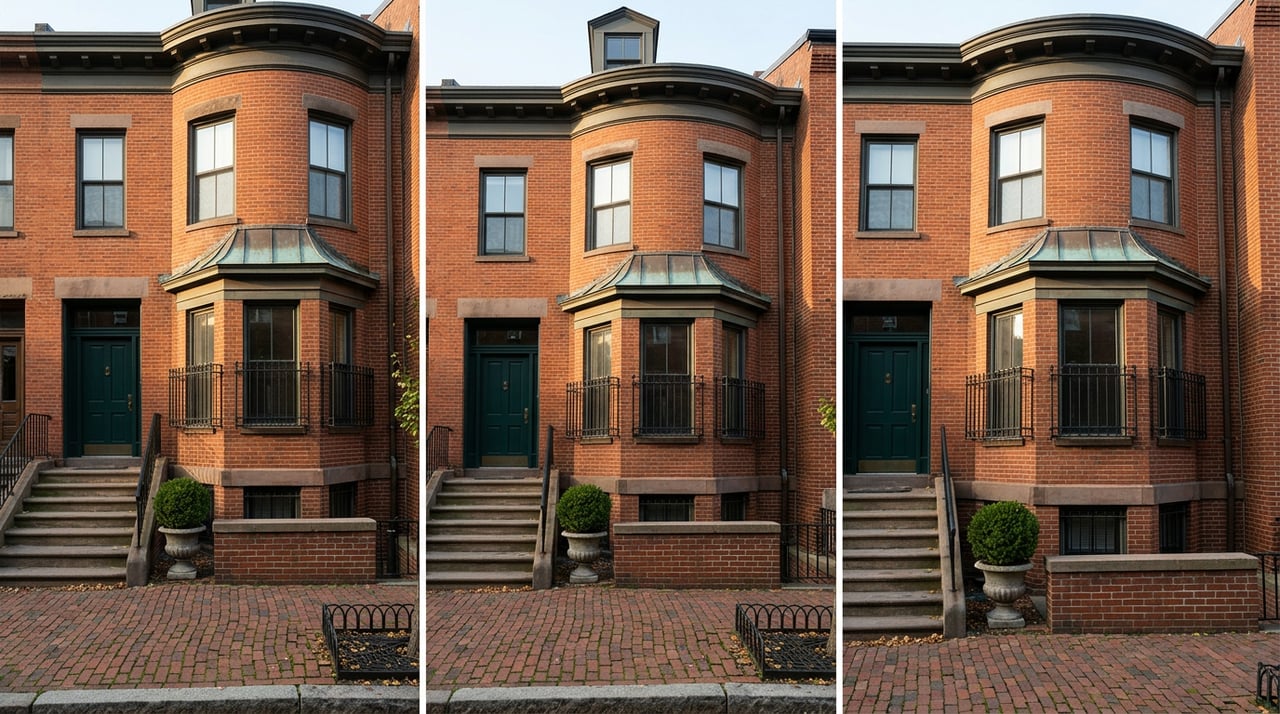
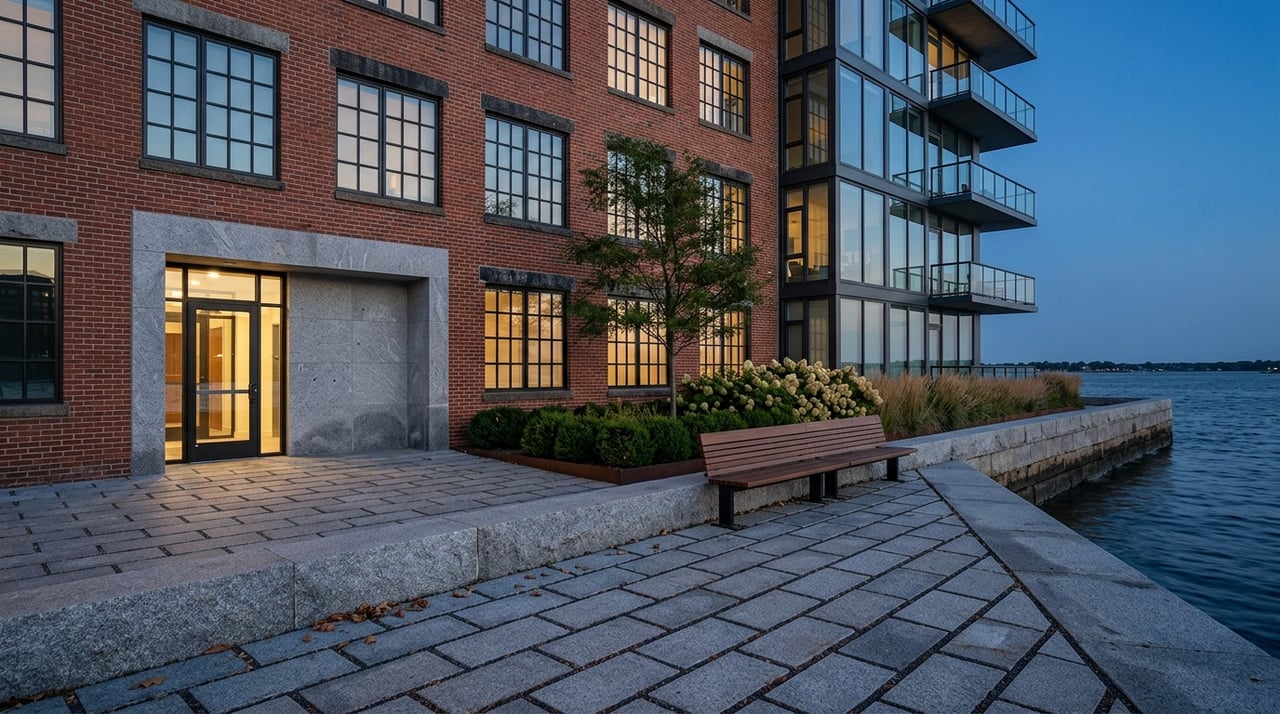
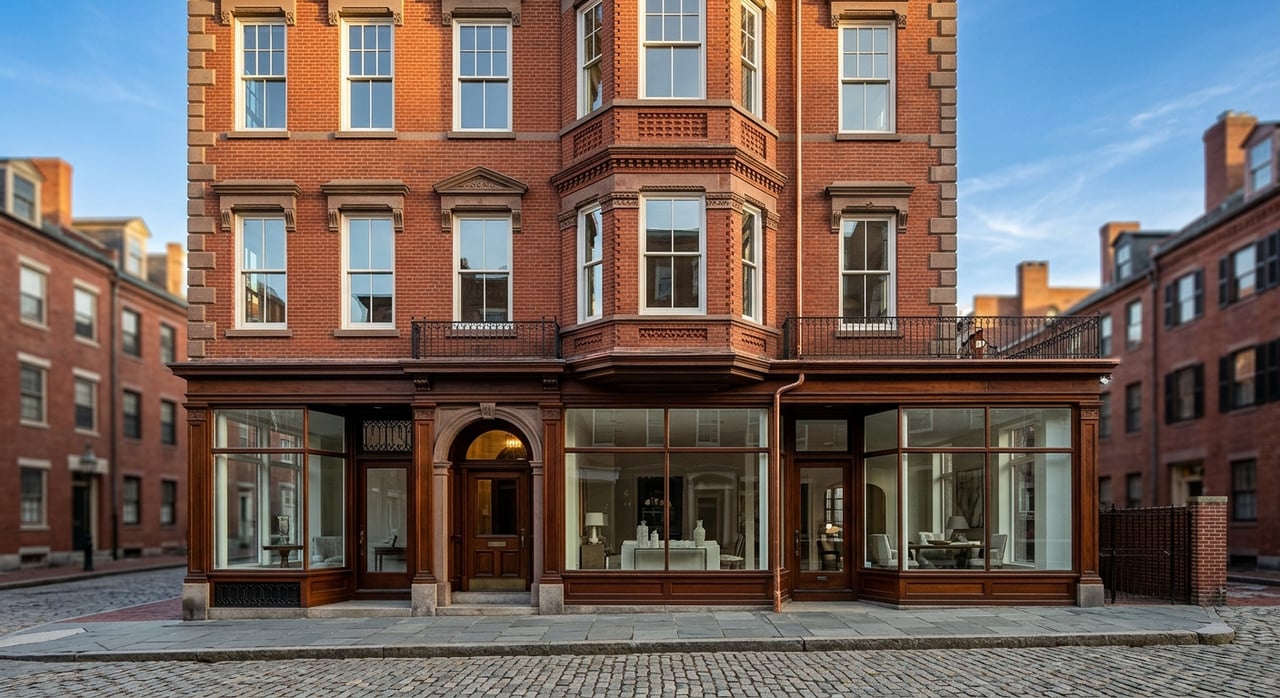
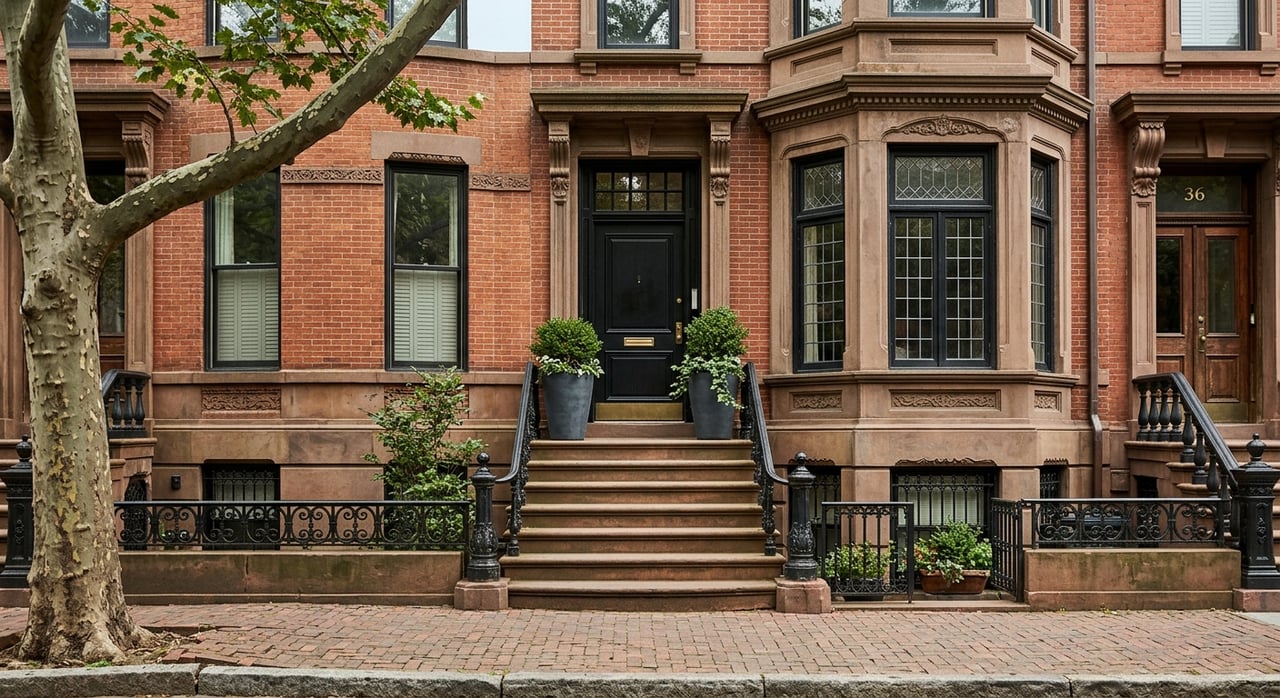
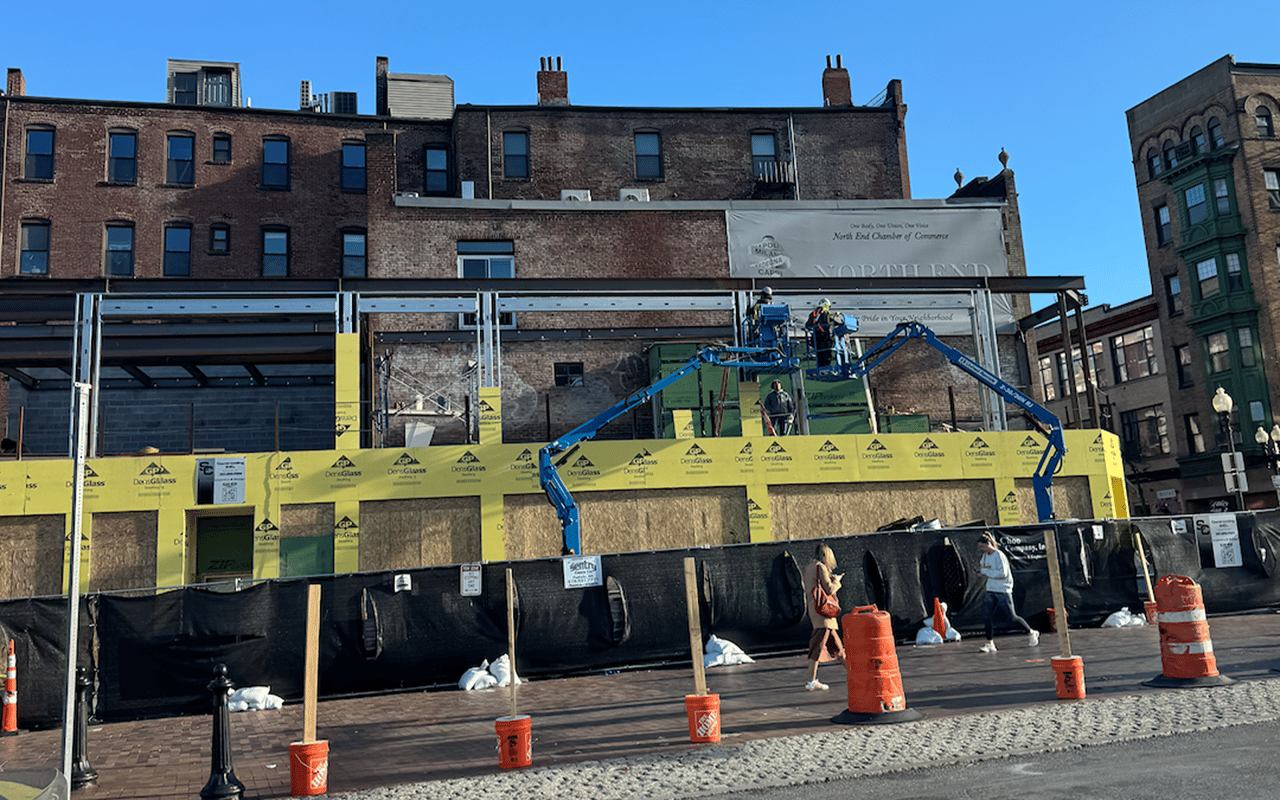
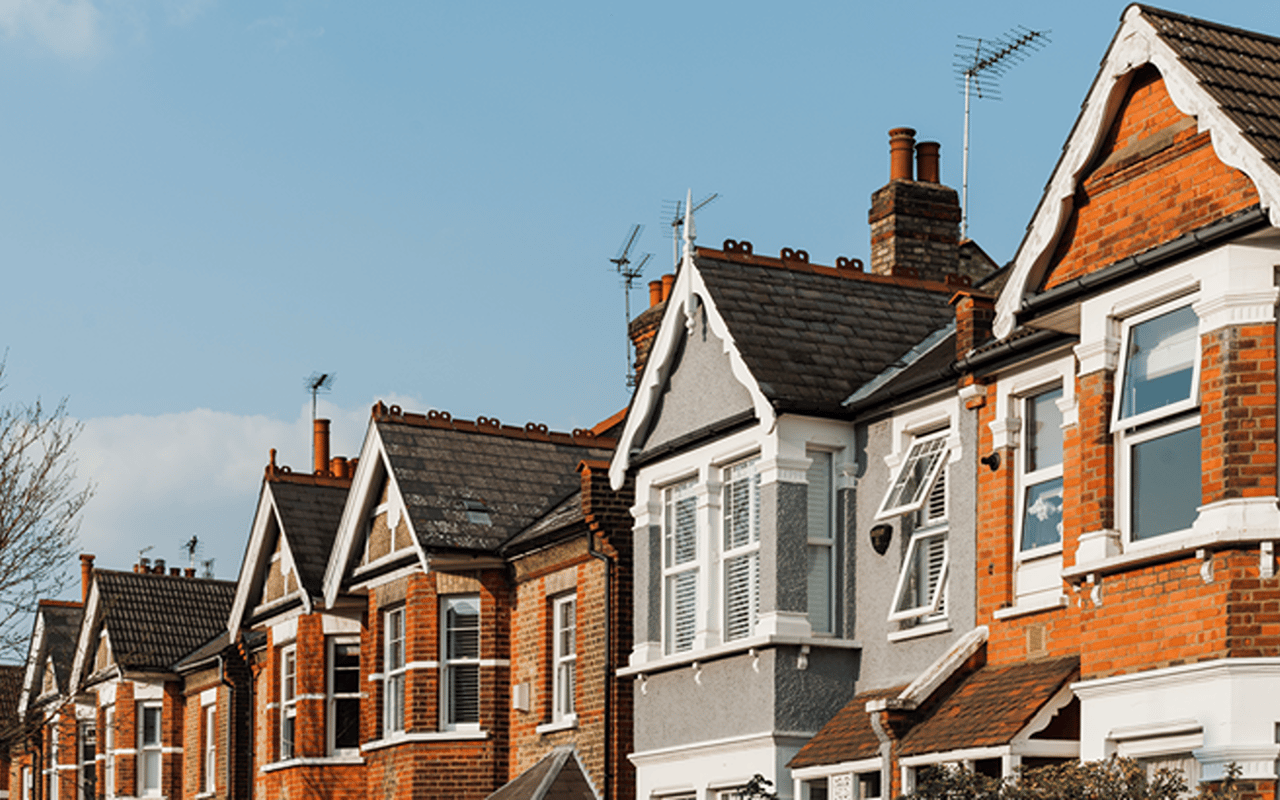
The North End has qualities that are hard to copy anywhere else in Boston. It is the city’s oldest residential community, known for historic brick buildings, narrow streets, waterfront access, and a dense mix of restaurants, bakeries, and landmarks. Boston also describes it as one of the city’s most visited neighborhoods, which supports its lasting appeal with both buyers and renters.
Just as important, the area works well for daily life. Redfin gives the North End a Walk Score of 99, and city planning documents highlight access to commuter rail, multiple subway lines, buses, and bike share. In a neighborhood where many households do not have a car, that kind of mobility can support value over the long run.
The local demographic profile also fits condo living. Boston planning data shows a renter-heavy, car-light market with 6,286 households, 67.8% renter occupancy, and 56.4% of households with no vehicle available. For an owner, that suggests a deep pool of future renters and resale buyers who care more about location and convenience than lot size or parking alone.
What current pricing says
North End condos are expensive, but they are still moving. Redfin reported a median closed sale price of $1,135,078 in April 2026, up 28.0% year over year, with 52 median days on market. At the same time, Redfin showed 81 condos for sale at a median list price of about $1.07 million and roughly 43 days on market.
Zillow’s modeled typical home value for the North End was $901,241 at the end of April 2026, up 0.8% from the prior year. These numbers measure different things, so they should not be treated as interchangeable. Still, together they point to the same broad takeaway: the North End remains a premium, supply-constrained Boston submarket with ongoing buyer activity.
That matters because Greater Boston has looked softer at the metro level. The Warren Group reported a February 2026 median condo price of $559,000 across the region, down 6.8% from a year earlier. In other words, the North End is behaving more like a premium urban micro-market than a stand-in for the broader condo market.
Are North End condos a smart investment?
For many buyers, yes, but only if you define “smart” the right way. If your main goal is long-term appreciation, strong lifestyle value, and resilient demand in a highly walkable Boston neighborhood, the North End makes a strong case. If your main goal is maximizing monthly income from day one, the numbers are less attractive.
A simple rent-to-price comparison helps explain why. Using Boston Pads’ average North End rent of $3,685 and Redfin’s median condo list price of $1.07 million, the rough gross yield is about 4.1% before property taxes, condo fees, insurance, maintenance, vacancy, and financing. If you use Zillow’s modeled typical value instead, the gross yield is closer to 4.9%.
That is not weak by urban-core standards, but it does suggest the neighborhood is better suited to patient investors than pure cash-flow hunters. In practical terms, North End condos often work best for buyers who want a future primary home, a well-located pied-a-terre, or a long-hold asset in a neighborhood with persistent demand.
Rental demand looks durable
One of the strongest arguments for the North End is how tight the rental market remains. Boston Pads reported a live vacancy rate of 0.52%, average rent of $3,685, and a median of 36 days on market. Its 2025 North End apartment report also found a 0.46% vacancy rate and said supply had tightened for four straight years, with rents up 25% to 30% since 2021.
Apartment data is not a perfect stand-in for condo rentals, but it is still useful. It shows that people continue to compete for homes in the neighborhood, even at higher price points. That can support condo owners who want flexibility to rent out a unit now or in the future.
The unit mix also supports this story. Boston planning data shows that 49.9% of occupied homes in the North End are studios or one-bedrooms, while 37.2% are two-bedrooms. That means the neighborhood’s housing stock already leans toward the sizes that tend to align best with urban renter demand.
Which condo types may hold value best
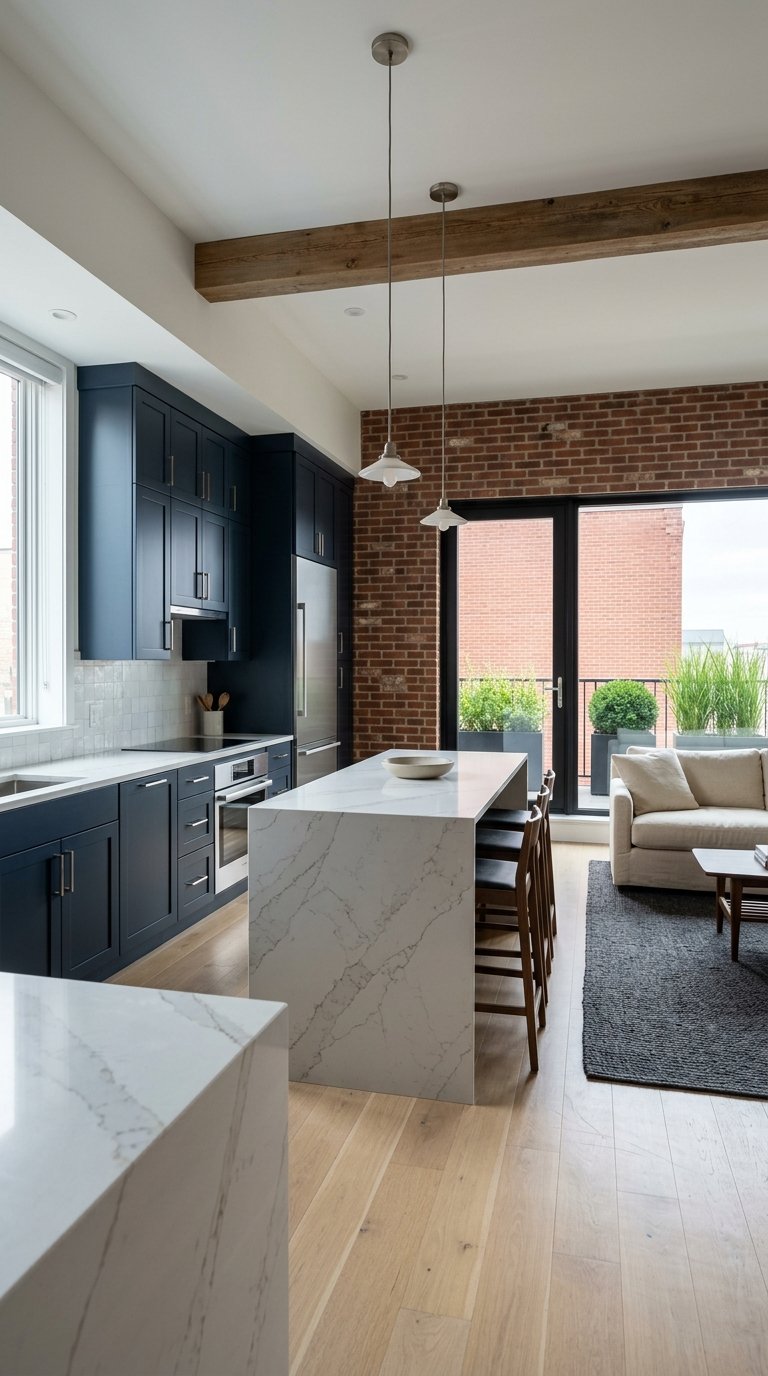
Not every North End condo performs the same way. In this market, the units that tend to stand out are often the ones that combine usable layout, updated condition, and features that feel hard to replace. Active listings repeatedly highlight renovated interiors, open kitchens, private outdoor space, roof decks, and full-service amenities.
That does not mean larger units automatically win. In the North End, raw square footage may matter less than whether the space feels turnkey and functional. For long-term buyers and investors alike, one- and two-bedroom condos are often the easiest to benchmark because they line up with both the local housing mix and renter demand.
Parking can also be a differentiator, even in a car-light neighborhood. Since 56.4% of local households have no vehicle, many buyers may not need parking, but deeded parking or easy garage access can still widen the resale and rental pool, especially at higher price points. In a dense historic neighborhood, features that make daily life easier often carry real value.
Scarcity is part of the investment thesis
A big reason North End condos attract long-term interest is that the neighborhood is hard to replicate and hard to expand. The area’s historic building stock, tight street pattern, and limited land make large-scale new supply difficult. That scarcity can help preserve pricing power over time, even if it also keeps entry costs high.
Boston’s broader housing strategy supports more supply and transit-oriented growth, but that is likely to affect other neighborhoods more than the already built-out North End. For buyers, that means you are not just purchasing a condo. You are buying into a neighborhood where the physical constraints help limit future competition.
The area’s position within Boston’s price ladder also matters. Zillow’s data places North End typical values below Downtown and Beacon Hill, close to Charlestown, and above the West End. That suggests the neighborhood sits in Boston’s upper tier without being at the absolute top, which can be attractive for buyers looking for premium location with some relative pricing support.
Risks to weigh before you buy
Even strong long-term neighborhoods come with tradeoffs. In the North End, one of the biggest is older building stock. Historic charm can support demand, but older properties may also come with more maintenance, building-system questions, and higher ongoing costs than newer construction.
That is why condo-specific due diligence matters so much here. Before you buy, pay close attention to the building’s condition, reserve levels, fee structure, and any planned capital work. Two condos on the same street can have very different investment profiles depending on how the building is run.
Another factor is the smaller sales pool. Because inventory is limited and many buildings are unique, pricing can be less uniform than in larger condo districts with more direct comparables. That makes local, building-level analysis especially important when deciding what to pay and how the unit may perform later.
How to evaluate a North End condo
If you are considering a long-term purchase, focus on a few core questions:
- How does the unit compare to other one- or two-bedroom condos nearby?
- Is the layout efficient and easy to rent or resell?
- Does the building appear well-maintained, with realistic reserves and fees?
- Is the condition turnkey, or will updates be needed soon?
- Does the condo offer features buyers repeatedly value, such as outdoor space, updated kitchens, or parking access?
- If you needed to rent the unit, would the likely rent support your ownership costs and goals?
These questions matter because a smart North End purchase is usually about balancing lifestyle and asset quality. The strongest opportunities are often condos that you would be happy to live in yourself, but that also check the boxes for future tenants or resale buyers.
The bottom line on long-term value
North End condos can be a smart long-term investment if you are buying for scarcity, walkability, strong tenant demand, and lasting neighborhood appeal. The area remains expensive, but it also benefits from qualities that are difficult to reproduce in Boston: historic character, waterfront access, dense amenities, and strong transit connectivity.
What the North End usually does not offer is a classic high-cash-flow story. For most buyers, the real value is in long-term hold potential, flexibility, and owning in one of Boston’s most established urban neighborhoods. If you underwrite carefully and choose the right unit and building, the North End can make a lot of sense as both a lifestyle purchase and a patient investment.
If you want help evaluating a specific North End condo, comparing building quality, or pressure-testing the numbers before you make an offer, The David Green Group can help you make a smart, data-driven decision.
FAQs
Are North End condos in Boston good for cash flow?
- Usually not compared with lower-cost neighborhoods. Based on current rent and price data, North End condos tend to be stronger for long-term appreciation and demand resilience than for high monthly cash flow.
Are one-bedroom condos in the North End easier to rent?
- They often align well with the neighborhood’s housing mix and renter profile, since the North End has a high share of smaller units and strong urban rental demand.
Does parking matter for North End condo value?
- It can. Many households in the neighborhood do not have a car, but deeded parking or convenient garage access may still help a condo stand out to some buyers and tenants.
Why is the North End considered supply-constrained?
- The neighborhood is already built out, with historic buildings, narrow streets, and limited room for large new projects, which makes it difficult to add significant housing supply.
How should you evaluate a North End condo as a long-term investment?
- Look at the unit’s condition, layout, likely rentability, building reserves, condo fees, and how its features compare with other nearby listings and recent sales.