If you want a Boston neighborhood that feels both iconic and practical, Back Bay is hard to ignore. You get historic streets, everyday convenience, strong retail corridors, and direct access to the Charles River, all within a compact, walkable part of the city. For buyers, sellers, and renters, that combination can shape how you live day to day and how you evaluate real estate decisions. Let’s dive in.
Why Back Bay Stands Out
Back Bay offers one of Boston’s most complete urban lifestyles. The neighborhood blends historic architecture, major shopping streets, civic landmarks, and riverfront recreation in a way few areas can match. That mix helps explain why it remains a consistent point of interest for people who want a car-light city lifestyle.
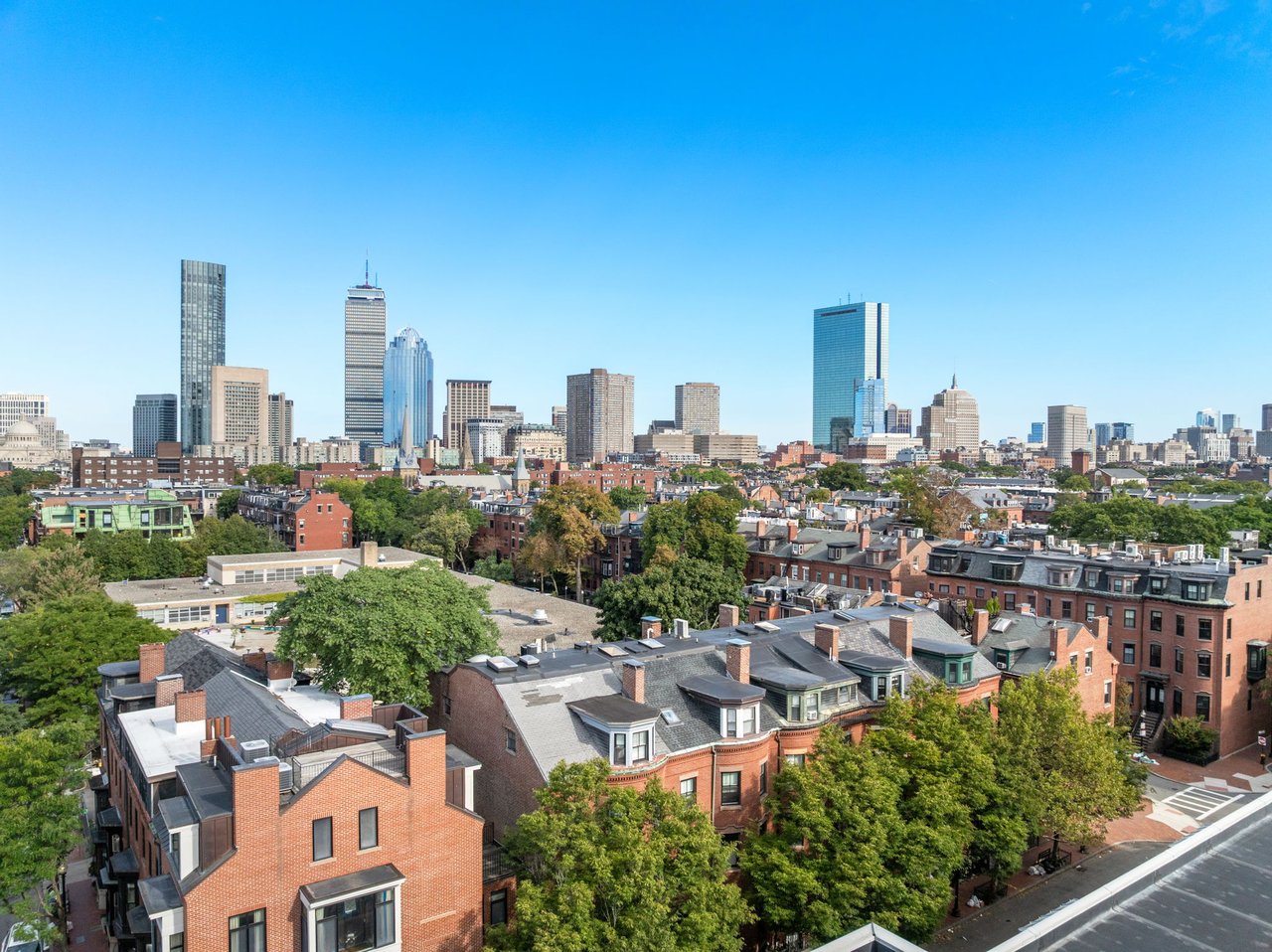
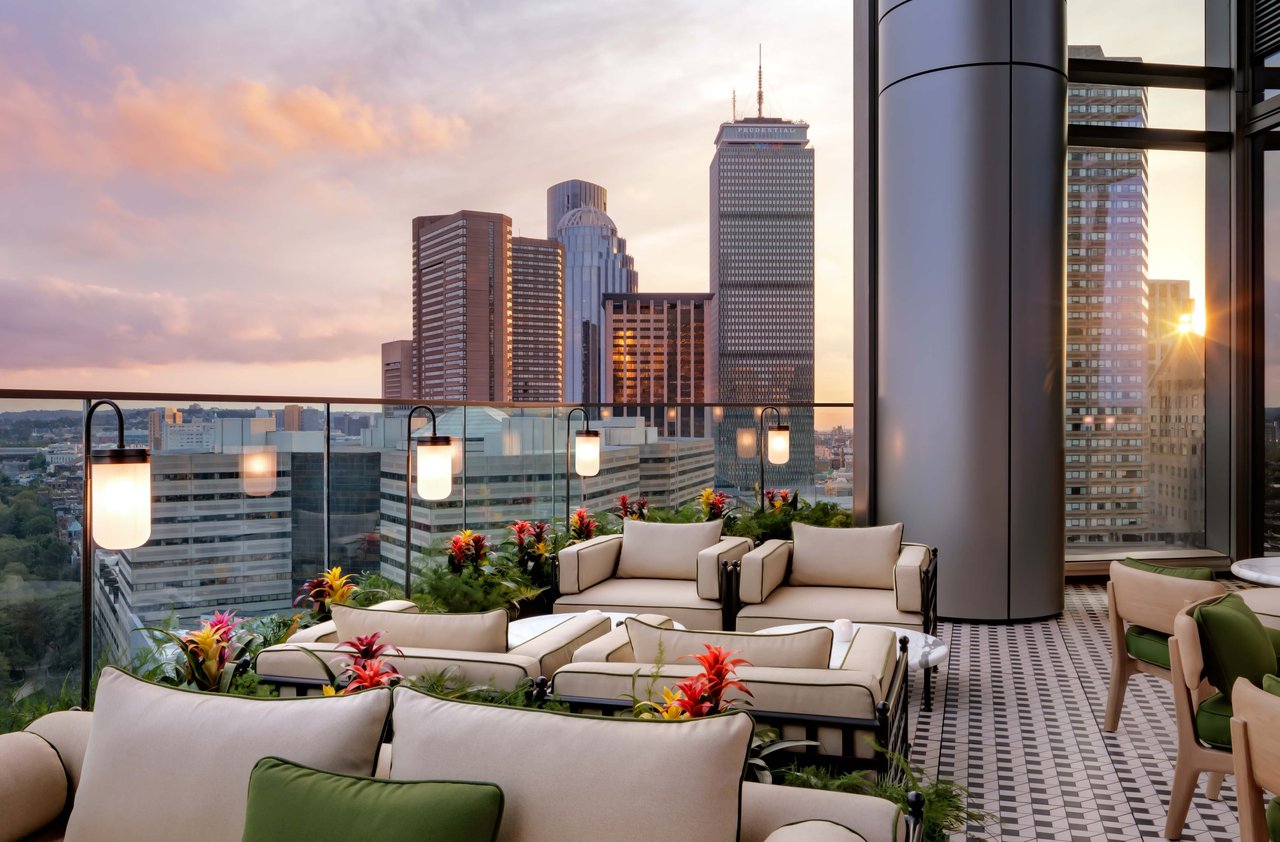
Boston frames Back Bay around Newbury Street, Boylston Street, and Commonwealth Avenue, with landmarks including the Prudential Center, the John Hancock Tower, Trinity Church, and the Boston Public Library. In practical terms, that means you are not choosing between residential charm and daily convenience. In Back Bay, those elements sit side by side.
Back Bay Architecture Shapes Daily Life
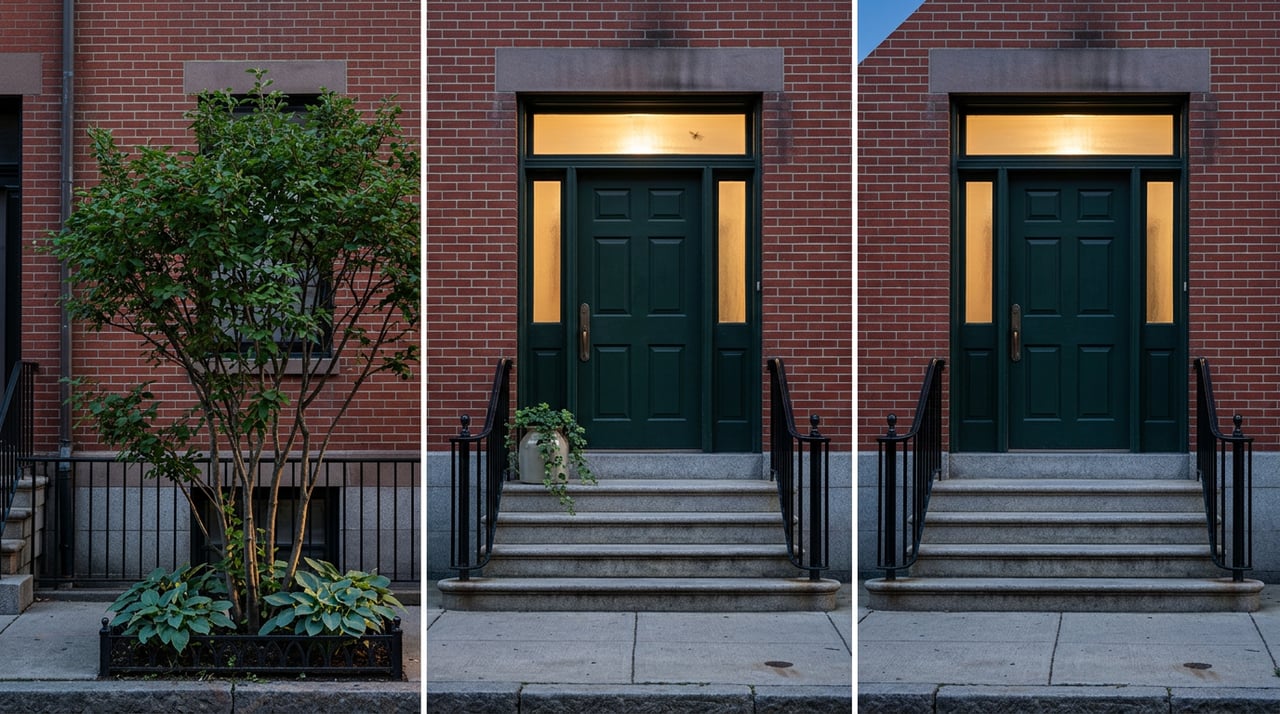
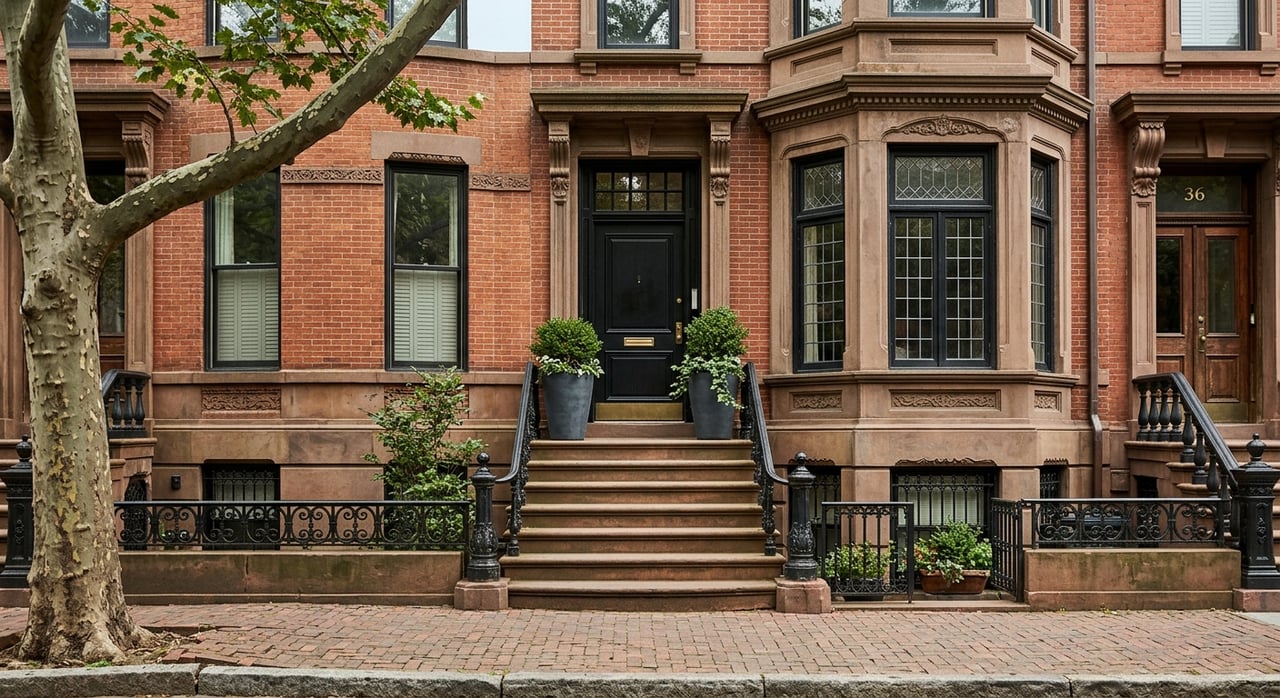
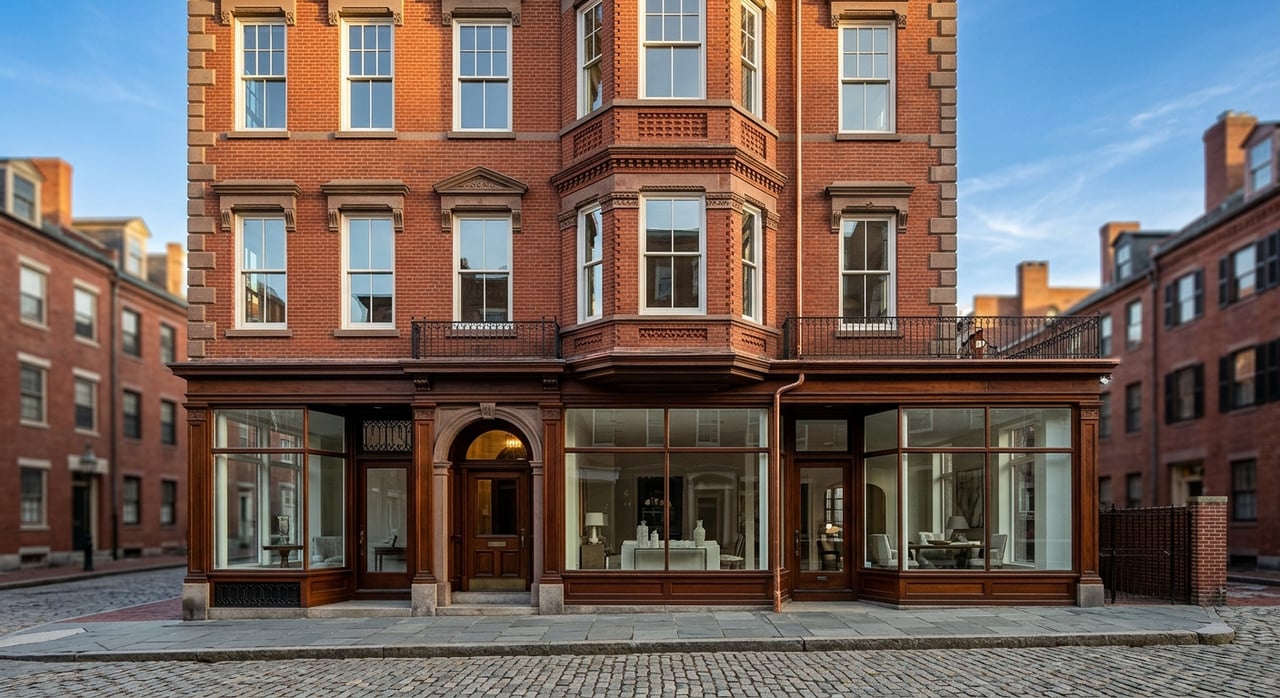
Back Bay began as filled tidal flats and was developed in the mid-to-late 19th century as a planned residential district influenced by Paris. That planning legacy still shows up today in the neighborhood’s orderly streets, formal green spaces, and visually consistent blocks. It is a big reason the area feels distinct the moment you arrive.
Boston notes that Back Bay reflects changing American architectural tastes from the late 19th and early 20th centuries. Along Boylston Street and Newbury Street, some commercial spaces were adapted from existing row houses, which helps create the neighborhood’s layered feel. You can see residential history and modern city life working together on the same block.
What the Housing Stock Looks Like
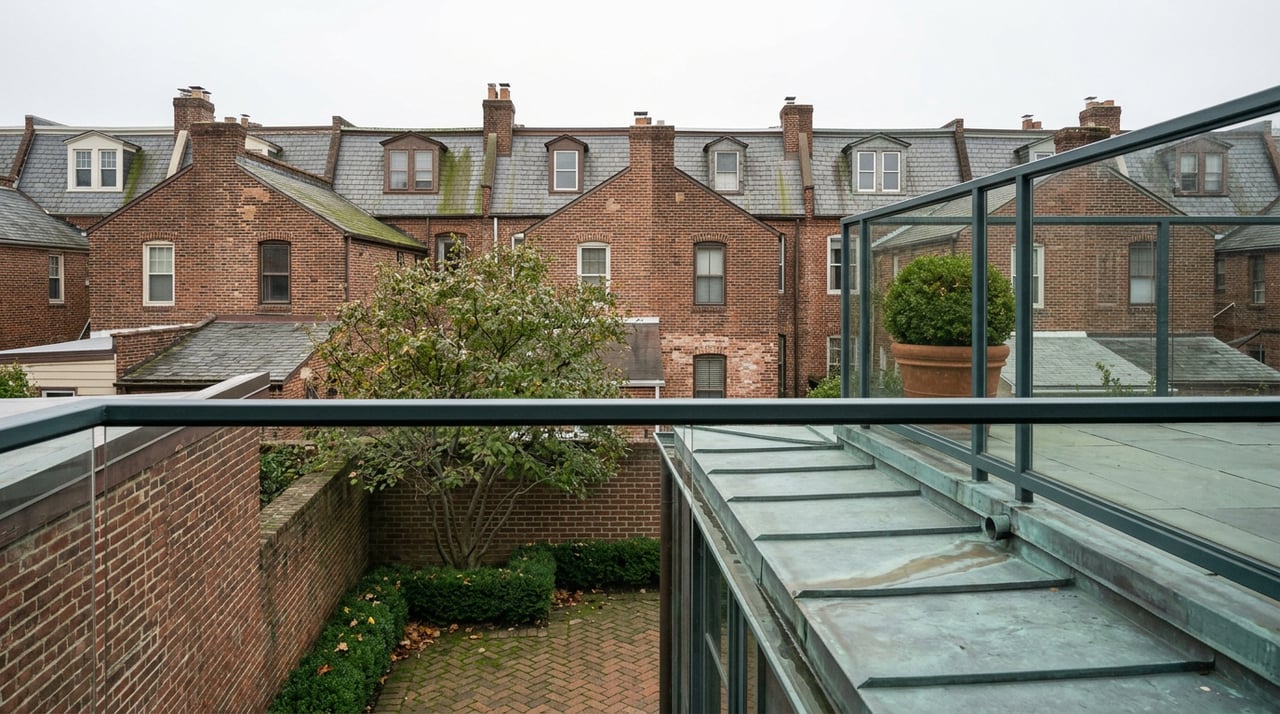
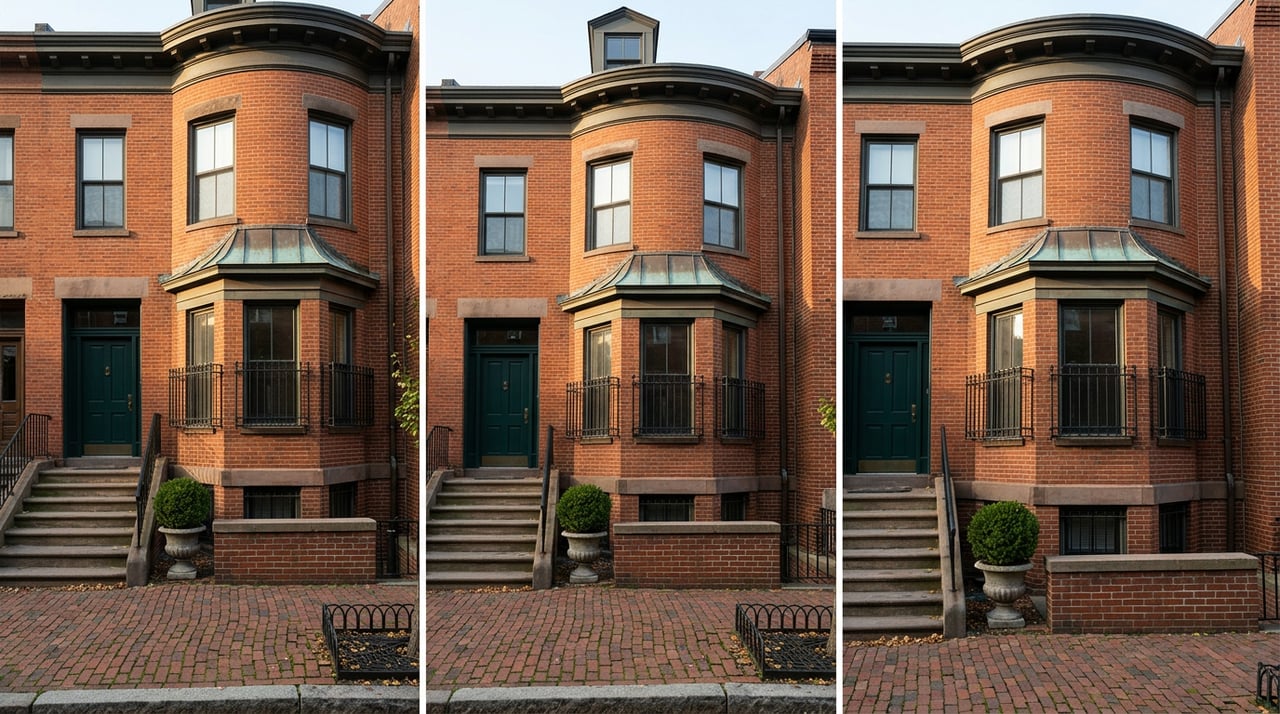
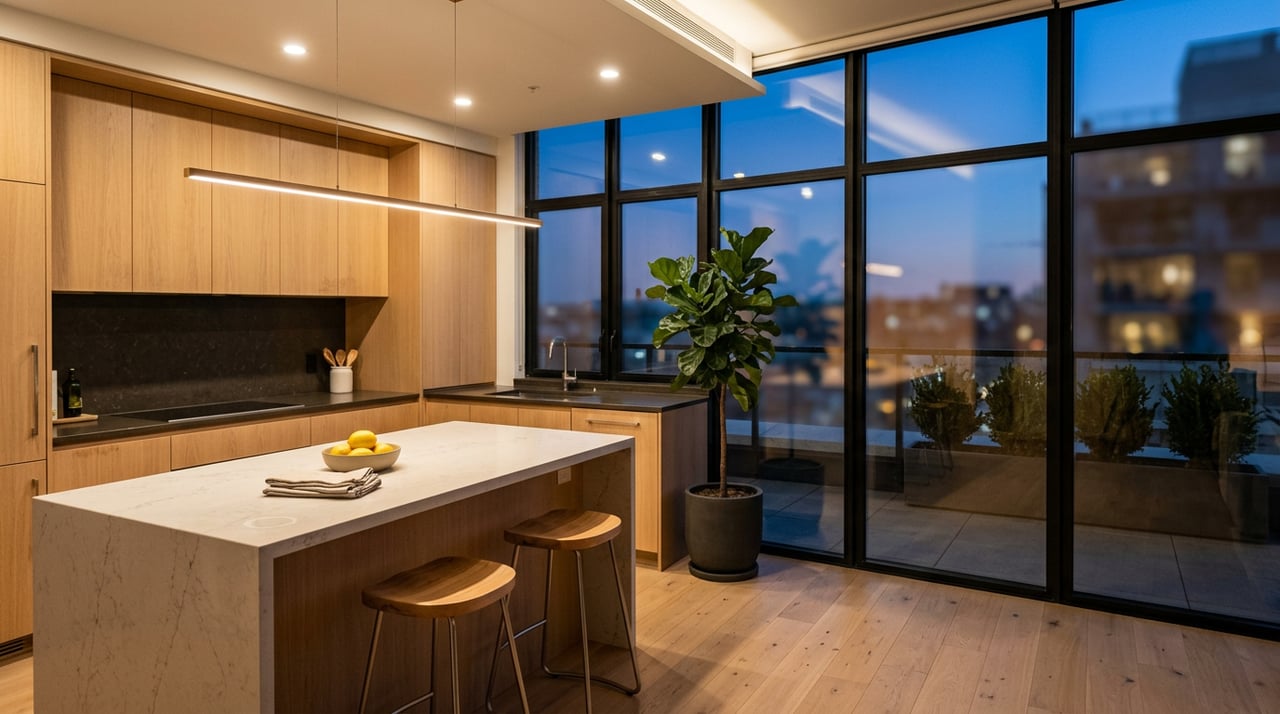
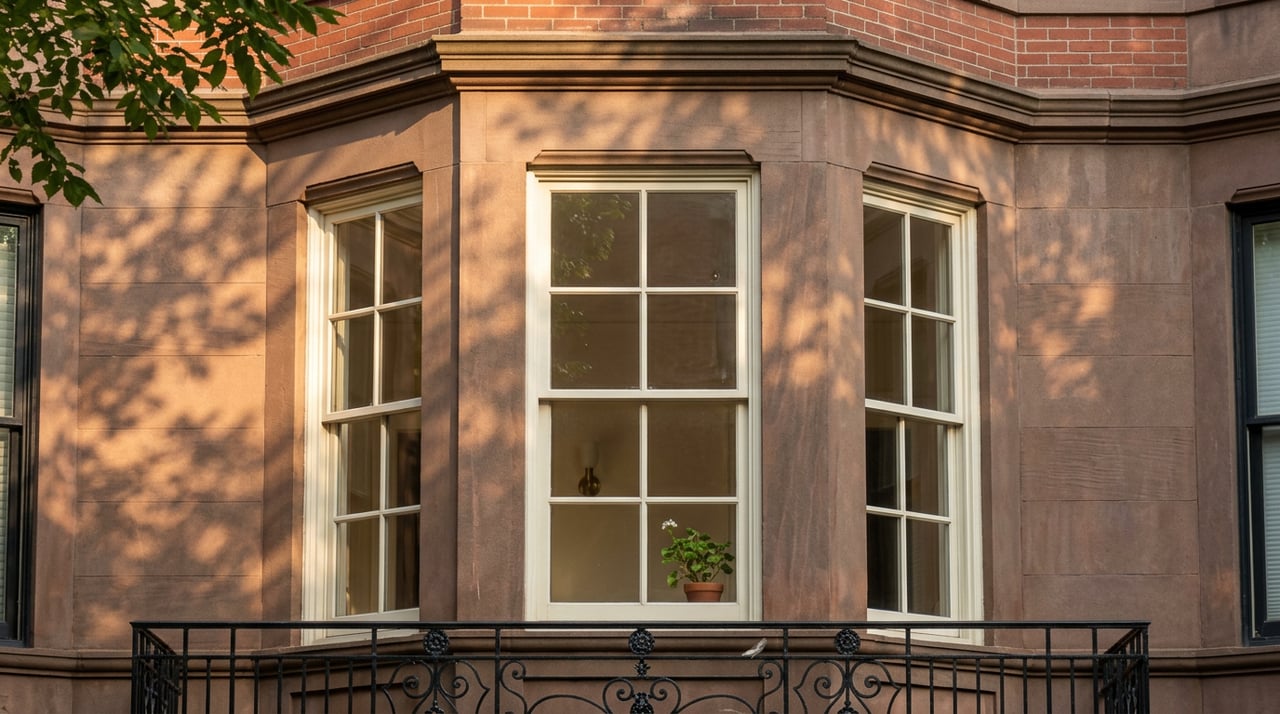
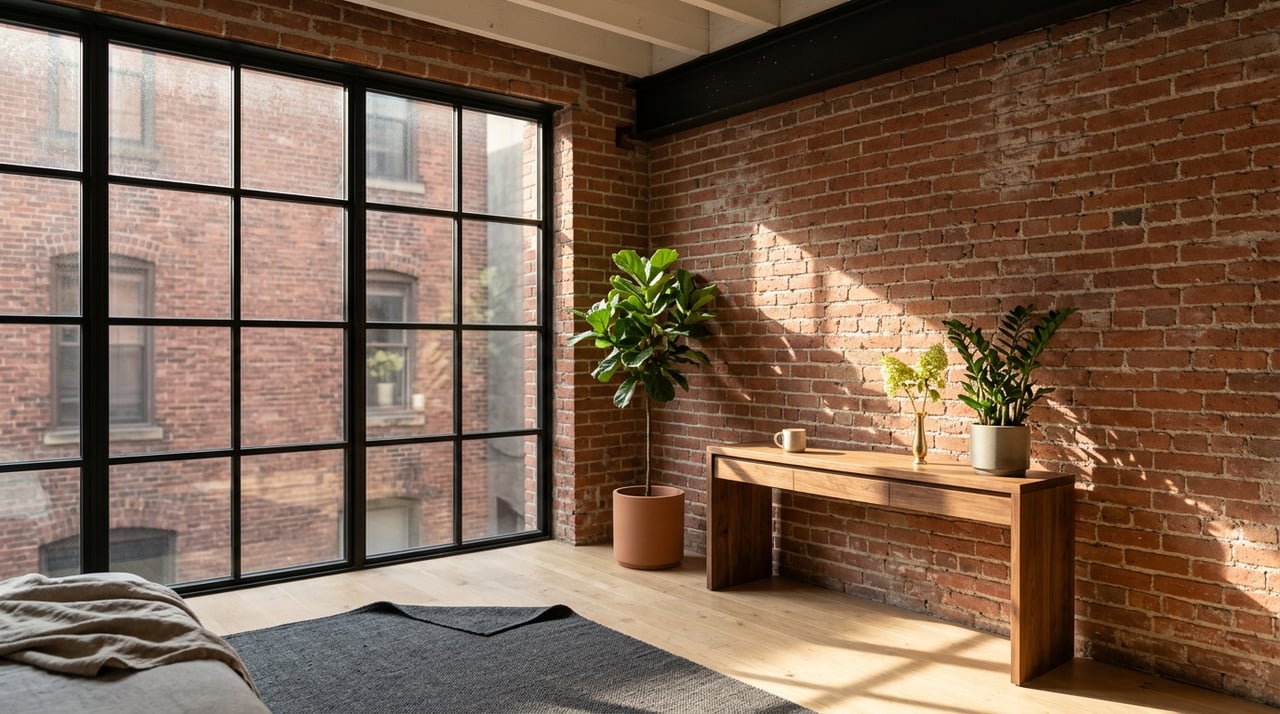
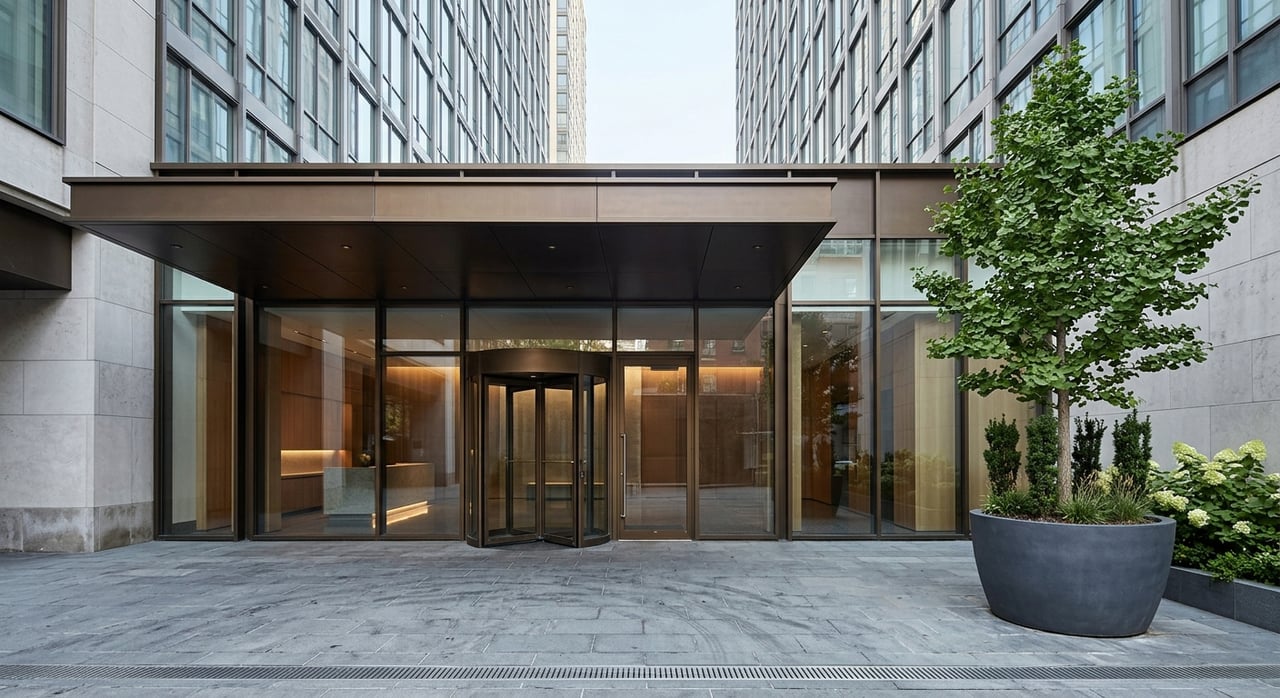
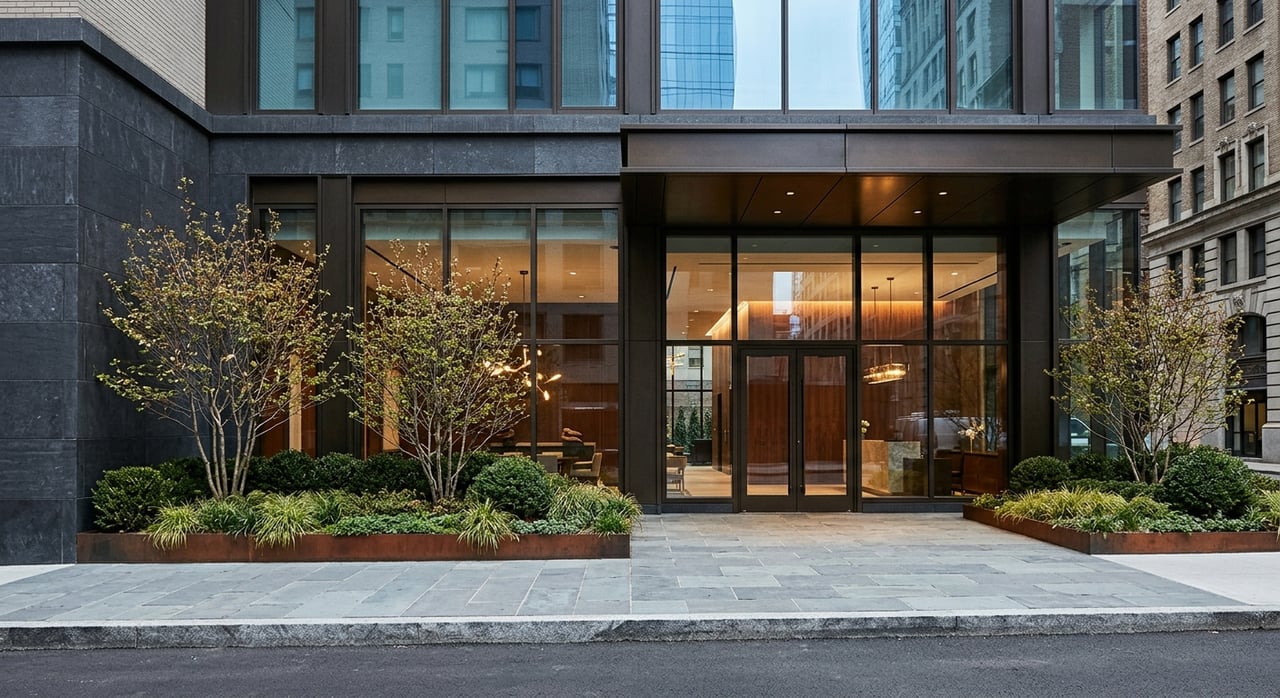
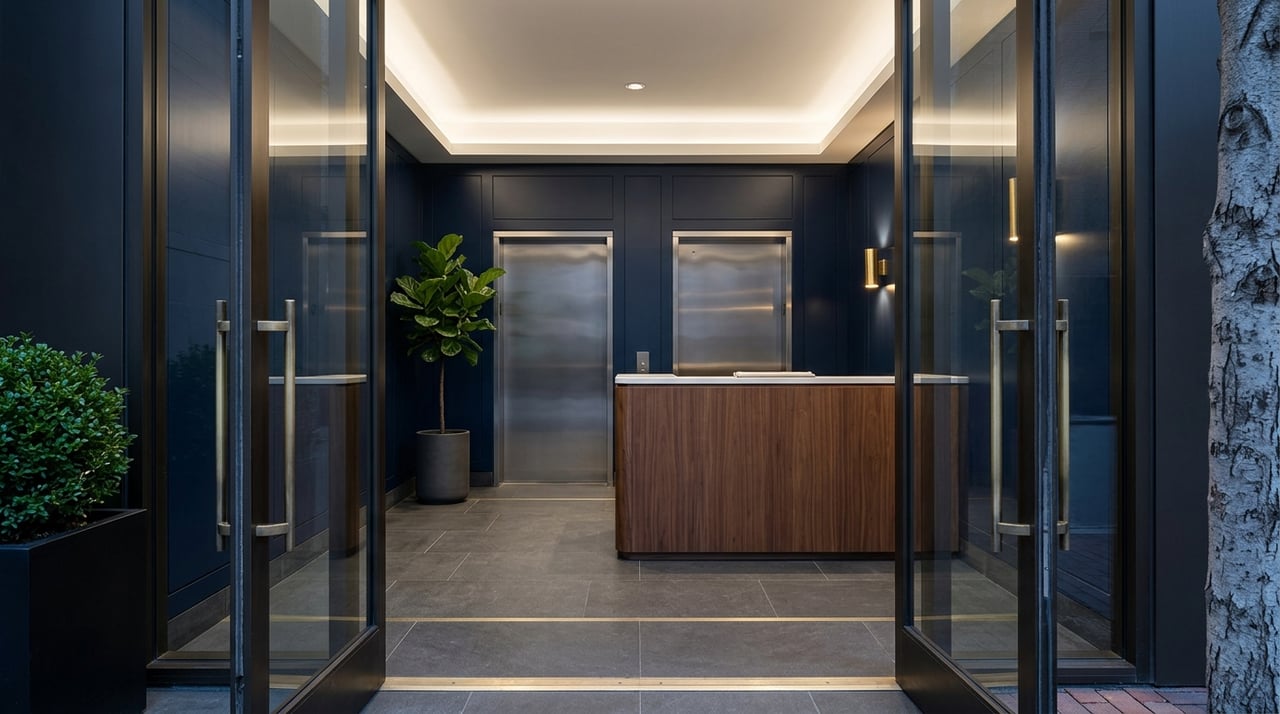
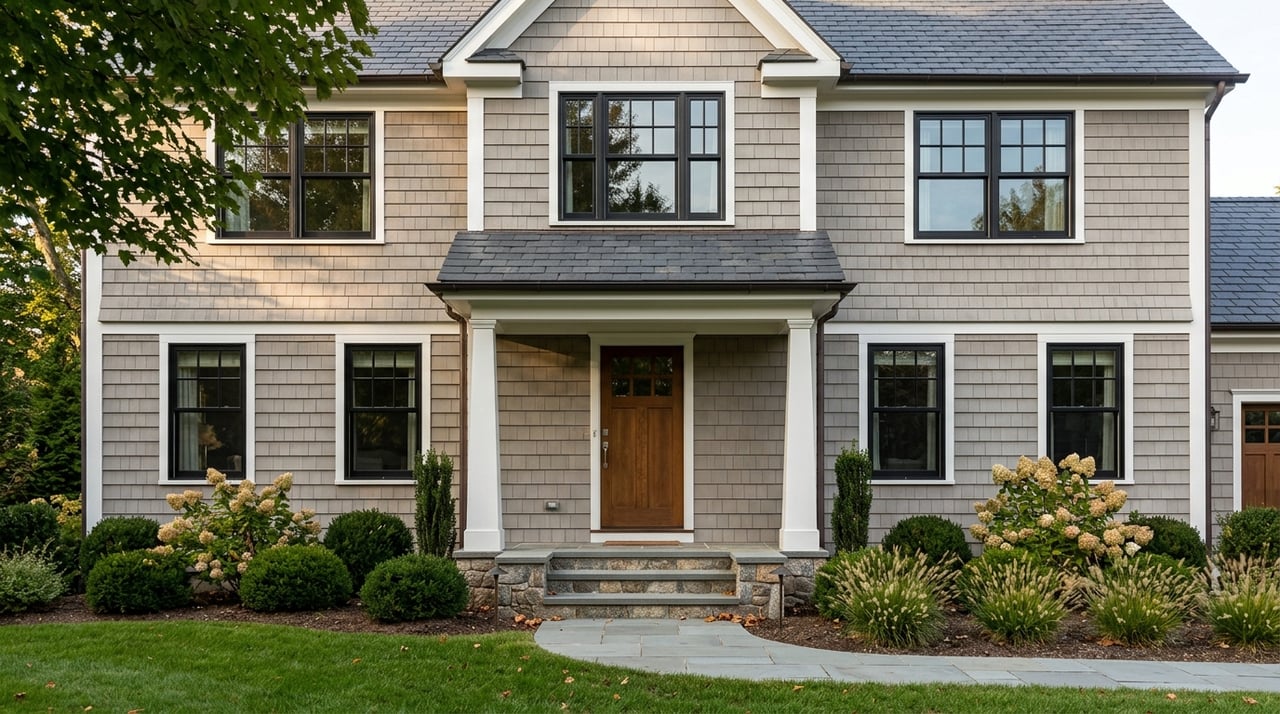
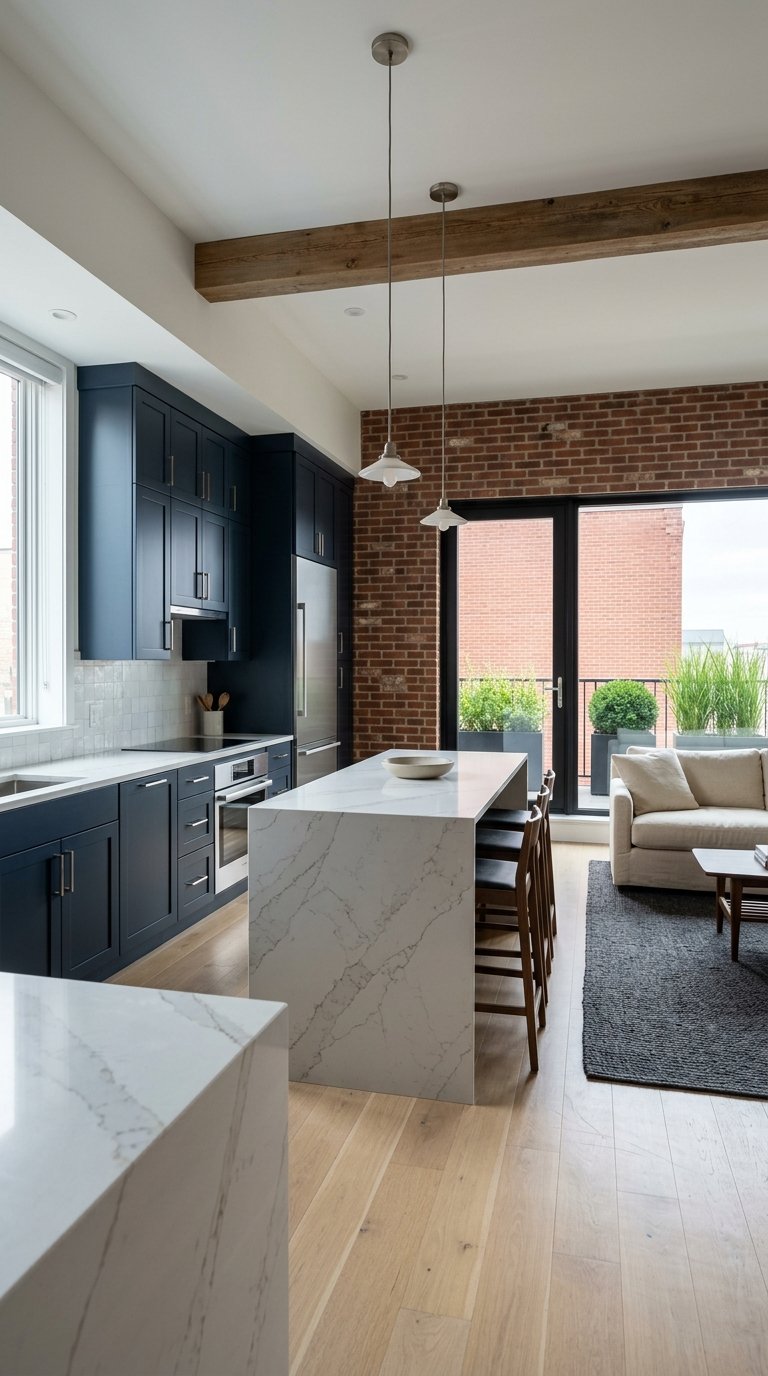
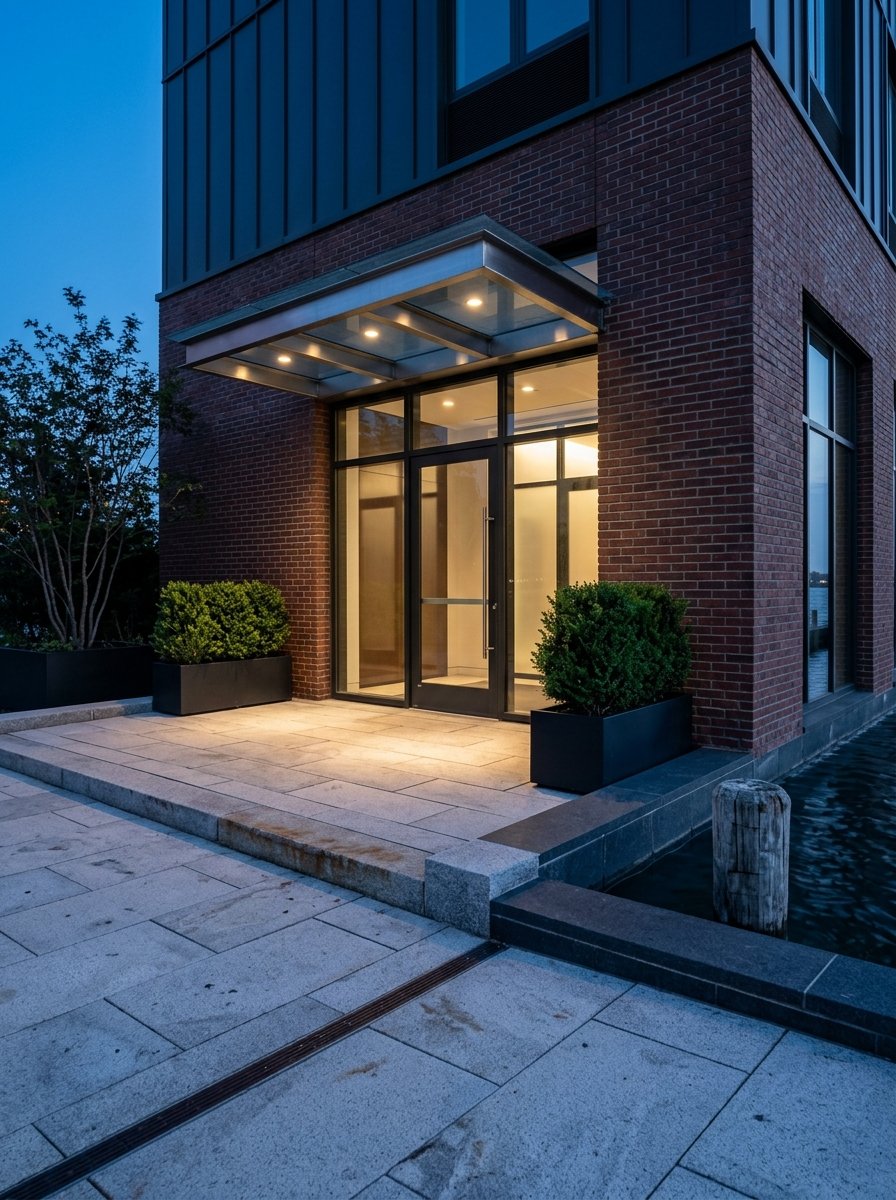
If you are trying to picture the housing options, the safest shorthand is this: Back Bay is known for historic brownstone-fronted rowhouses, converted older buildings, and condominium buildings. It is not a one-format neighborhood. That variety gives buyers and renters several ways to access the area, depending on building style, upkeep, and lifestyle goals.
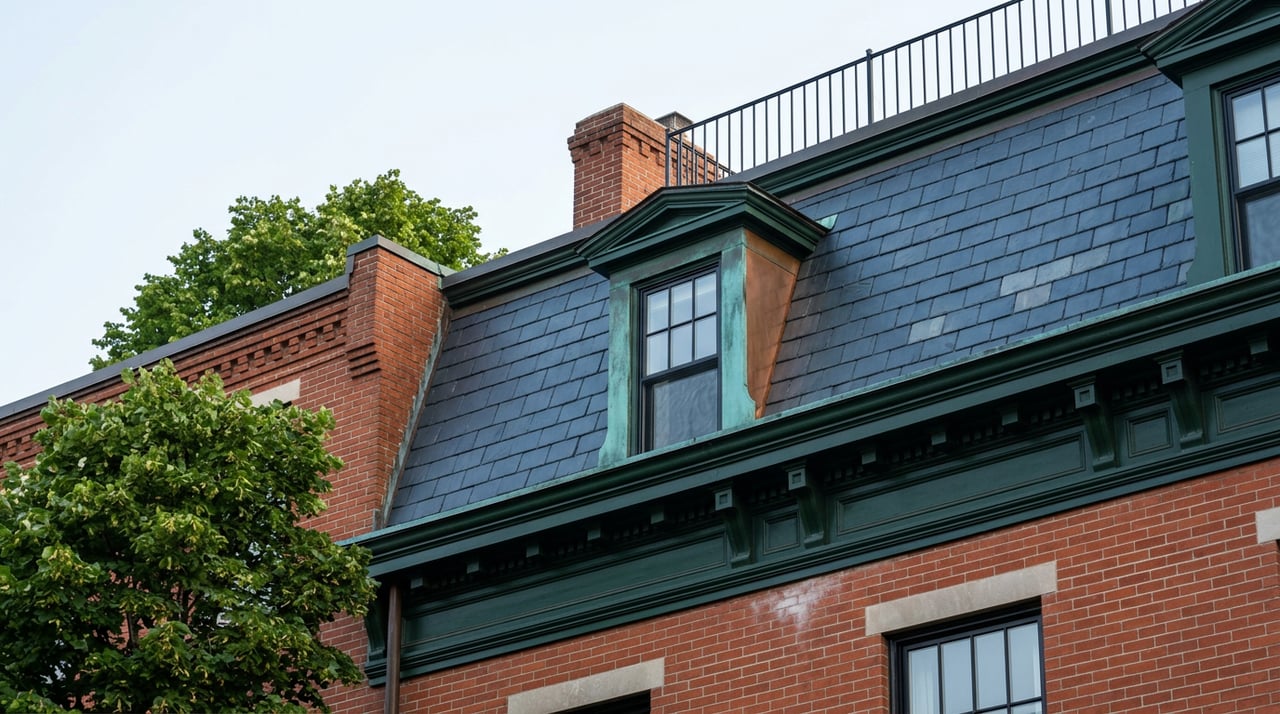
The Back Bay Architectural District’s residential guidelines emphasize continuous facades, regular cornice lines, historic setbacks, and durable masonry. Those details do more than preserve appearance. They help maintain a strong street character that many buyers find appealing when comparing Boston neighborhoods.
Why Preservation Rules Matter
In Back Bay, exterior changes are reviewed by the Back Bay Architectural District Commission before work begins. For buyers and homeowners, that matters because visible updates such as window replacements, façade work, and roof additions can involve more review than they would in a non-historic area. It is important to understand that process early if you are evaluating a property with renovation plans in mind.
For many owners, these rules are part of the appeal. The district statute states that one purpose is to stabilize and strengthen residential property values. In plain terms, the same rules that add process can also help preserve the look and long-term character that make Back Bay desirable.
Commonwealth Avenue Adds Green Space
Commonwealth Avenue Mall helps tell the story of how Back Bay was planned. Boston describes it as a 32-acre landscape designed in the French boulevard style, and it became a central green link in the neighborhood. That design choice still affects how the area feels today.
Instead of dense city blocks without relief, you get a strong landscaped spine running through the neighborhood. For residents, that can mean a more pleasant daily walk, a more graceful streetscape, and a better balance between urban energy and open space.
Shopping in Back Bay Is Part of the Lifestyle
Back Bay is not just a place where you sleep and commute. It is a neighborhood where shopping, dining, and everyday errands are built into the local rhythm. That matters if you want convenience to be part of your real estate decision, not an afterthought.
Newbury Street Sets the Tone
Newbury Street is the clearest expression of Back Bay’s street life. Boston describes it as a mile-long, eight-block stretch of shops, salons, galleries, and restaurants. In summer, Open Newbury turns the street pedestrian-only on Sundays, reinforcing how central it is to neighborhood life.
For residents, that means the street functions as more than a retail corridor. It becomes part of how you spend free time, meet friends, and move through the neighborhood on foot. If you value a lively but established city setting, Newbury Street is a major part of the draw.
Indoor Shopping Expands the Options
Back Bay also offers major indoor retail destinations. Copley Place includes more than 50 stores, restaurants, parking, and hotel access, while Prudential Center has more than 70 shops, eateries, and experiences under one roof. Together, they add year-round convenience and variety to the neighborhood.
This is one reason Back Bay appeals to people who want a polished urban lifestyle with easy access to services and amenities. You are not relying on one street or one type of retail experience. The neighborhood gives you multiple ways to handle errands, shopping, and dining close to home.
Civic Landmarks Keep Back Bay Active
One of Back Bay’s strengths is that it stays active for more than one reason. Retail is a major part of the neighborhood, but civic institutions also create steady daytime use and a broader sense of place. That can make the area feel more balanced than a district built around a single use.
The Boston Public Library’s Central Library at 700 Boylston Street is one of the clearest examples. It gives the neighborhood a strong public anchor and helps explain why Back Bay feels engaged beyond shopping hours. Along with major landmarks such as Trinity Church, these institutions reinforce Back Bay’s identity as both a residential and civic destination.
Charles River Access Is a Major Advantage
For many people, one of Back Bay’s biggest lifestyle benefits is how quickly you can get from city streets to the riverfront. The Charles River Reservation offers biking, boating, canoeing, kayaking, sailing, rowing, swimming, ice skating, and cross-country skiing. That kind of range is unusual in such a central urban setting.
The Charles River Esplanade-New Basin Complex covers a three-mile portion of the basin from the Boston University Bridge to Boston Harbor. It also includes six pedestrian bridges connecting adjacent neighborhoods to the park system. For Back Bay residents, that means outdoor access is not abstract. It is built into the local geography.
The Arthur Fiedler Footbridge Connection
Back Bay’s most important river connection is the Arthur Fiedler Footbridge. According to the state, it spans Storrow Drive, connects Back Bay to the Esplanade, and is the most heavily used access point to the park. It also brings visitors to the Hatch Shell and the Esplanade Playspace.
That is a meaningful quality-of-life feature if you like to run, walk, bike, or simply spend time outside. A neighborhood can have great architecture and retail, but easy park access changes how often you actually use outdoor space. In Back Bay, that access is direct and highly visible.
Boating and Paddling Add a Local Layer
Community Boating gives the riverfront an even more neighborhood-specific feel. Located on the Esplanade between the Hatch Memorial Shell and the Longfellow Bridge, it describes itself as the oldest public sailing organization in the United States. Its kayak and paddling rentals allow people to explore the Charles River Basin and lagoon system with views of Back Bay and the surrounding skyline.
For residents, this adds more than recreation. It gives Back Bay a direct connection to one of Boston’s most memorable outdoor experiences. The result is a neighborhood where city living and waterfront activity feel closely linked.
What This Means for Buyers and Sellers
If you are buying in Back Bay, you are often paying for a very specific combination of features: historic character, strong walkability, major retail access, civic landmarks, and easy connection to the Charles River. The appeal is not just the home itself. It is the surrounding environment and how smoothly daily life can work without needing a car for every errand.
If you are selling, understanding that full lifestyle package matters. Buyers are often responding to both property details and the neighborhood’s built-in advantages, from preserved streetscapes to river access and shopping options. Positioning a home well means understanding how those local features influence value and buyer interest.
For renters, the same logic applies. Back Bay offers a dense concentration of amenities, housing variety, and transit-connected city living. Whether you are looking at a historic conversion or a condominium building, it helps to compare not just the unit, but also the street, building rules, and access to the neighborhood’s major anchors.
Why Back Bay Appeals to So Many Lifestyles
A useful shorthand is that Back Bay offers the classic Boston city lifestyle in one of its most complete forms. You have historic streetscapes, premium shopping, dining options, cultural landmarks, and direct Charles River access within a few walkable blocks. That is a compelling combination for professionals, downsizers, renters, and anyone who wants a highly connected in-city experience.
It also helps explain why real estate decisions here can feel especially nuanced. Building type, preservation rules, street location, and proximity to neighborhood anchors can all shape how a property lives and how it is perceived in the market. In a place like Back Bay, local knowledge matters.
If you are thinking about buying, selling, renting, or investing in Back Bay or elsewhere in Boston, working with a team that understands building-specific details, neighborhood positioning, and lifestyle-driven value can make the process much smoother. Connect with The David Green Group for thoughtful, high-touch guidance tailored to your goals.
FAQs
What makes Back Bay architecture distinctive in Boston?
- Back Bay is known for its planned 19th-century layout, historic rowhouses, durable masonry, consistent facades, and a streetscape shaped by preservation guidelines.
What types of homes are common in Back Bay?
- Back Bay is commonly associated with historic brownstone-fronted rowhouses, converted older buildings, and condominium buildings.
What shopping areas define daily life in Back Bay?
- Newbury Street, Boylston Street, Copley Place, and Prudential Center are key parts of Back Bay’s shopping and dining environment.
How do you access the Charles River from Back Bay?
- One of the main access points is the Arthur Fiedler Footbridge, which connects Back Bay across Storrow Drive to the Esplanade.
What outdoor activities are available near Back Bay?
- The Charles River Reservation supports activities such as biking, boating, canoeing, kayaking, sailing, rowing, swimming, ice skating, and cross-country skiing.
What should Back Bay buyers know about historic district rules?
- Buyers should know that exterior changes in the Back Bay Architectural District require review before work begins, which can affect renovation planning and timelines.