If you want Boston access without feeling dropped into the middle of downtown, Charlestown Navy Yard deserves a close look. You may be weighing commute time, everyday convenience, and whether waterfront living actually works for real life. The good news is that this part of 02129 offers a distinct mix of harbor access, transit options, open space, and local amenities that can be hard to find elsewhere in the city. Here’s what to know before you make the Navy Yard part of your home search.
Why the Navy Yard Stands Out
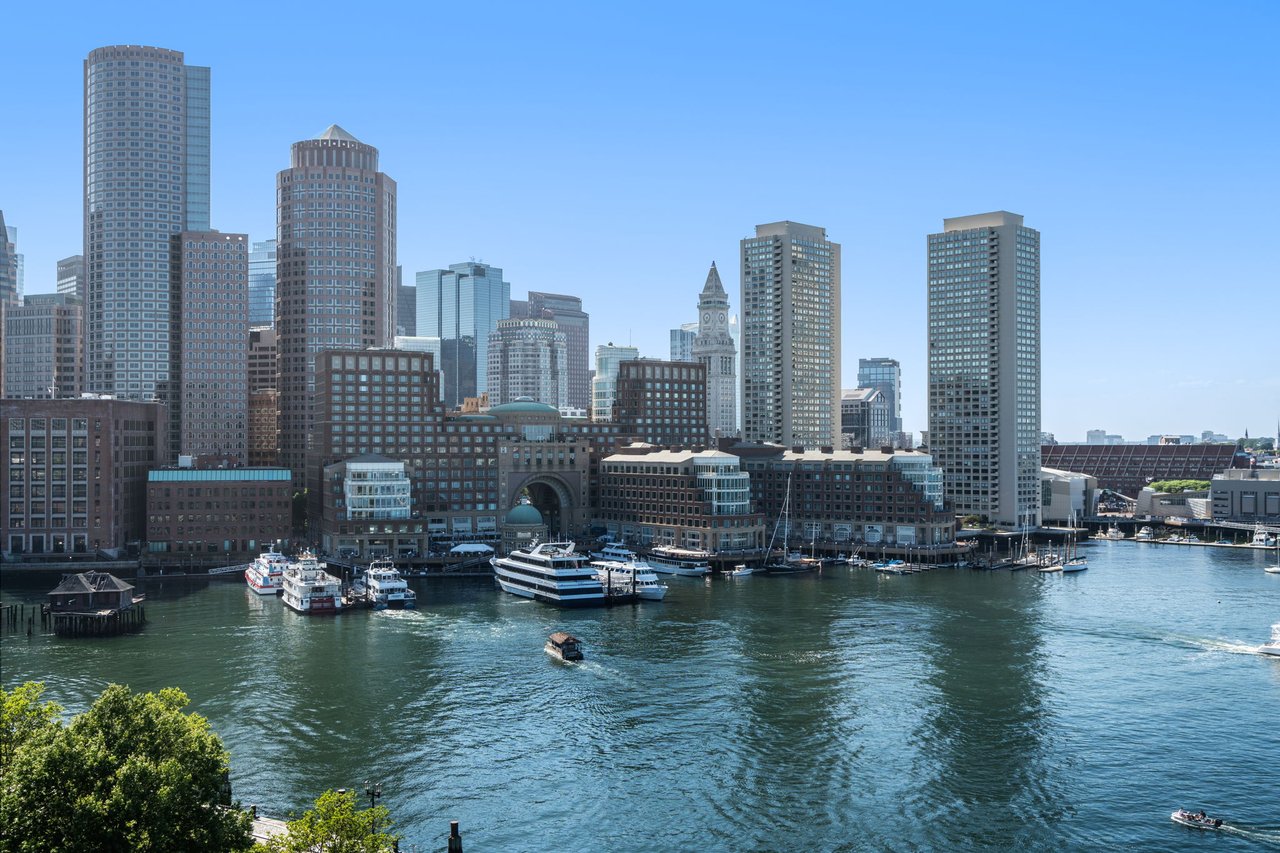
Charlestown is located on the north side of Boston along Boston Harbor and the Mystic River. The City of Boston describes it as a busy, modern-day neighborhood with deep historical roots, and the Navy Yard is one of its best-known waterfront areas.
The Charlestown Navy Yard is a historic district stewarded by the National Park Service. For 174 years, it played a major role in building, repairing, modernizing, and resupplying ships. Today, it functions as a public waterfront setting where history, open space, and residential life meet.
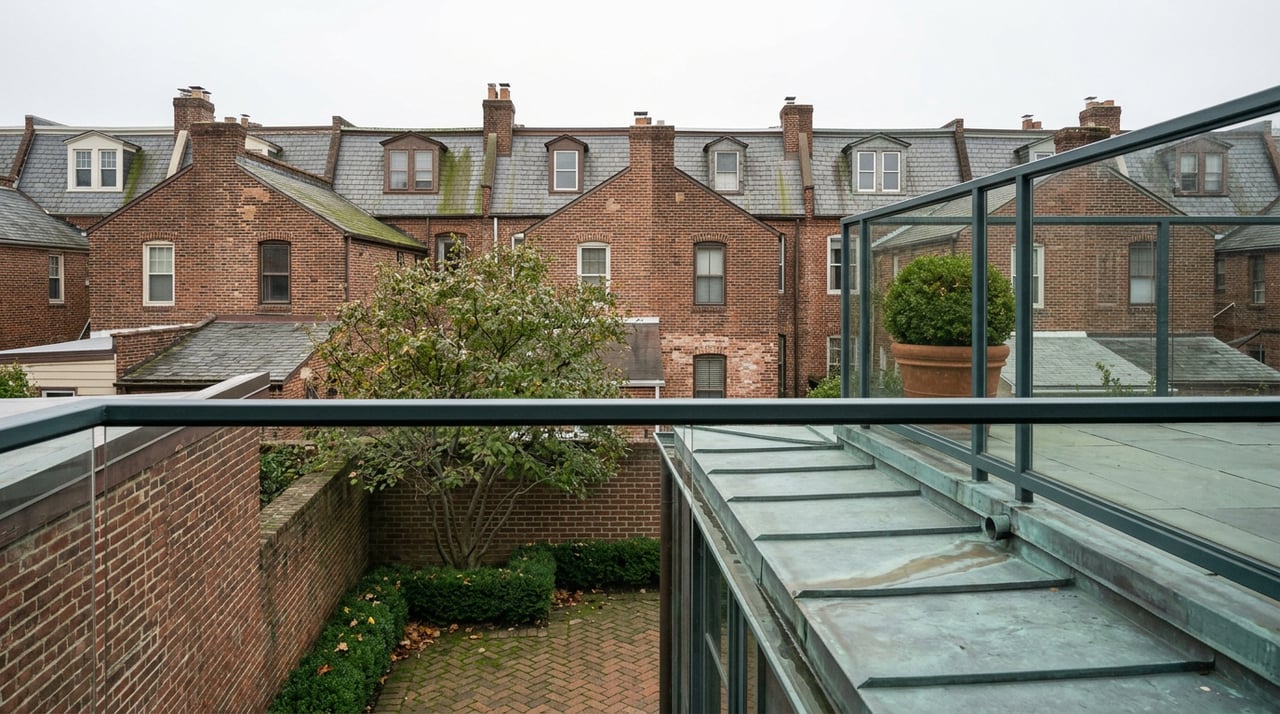
That mix gives the area a different feel from denser downtown neighborhoods. Instead of a purely urban core, you get a residential waterfront district shaped by public access, harbor views, and a calmer setting.
Commutes From Charlestown Navy Yard
For many buyers and renters, the first question is simple: how easy is it to get in and out? In the Navy Yard, the answer depends on how you prefer to travel, but the ferry is the defining option.
Ferry Access Is a Major Draw
The MBTA offers year-round scheduled ferry service to Charlestown Navy Yard. According to National Park Service directions, the ferry runs from Long Wharf near the New England Aquarium and Marriott Long Wharf, seven days a week when weather allows.
The ride is about 10 minutes, which is one of the most appealing parts of living here. At rush hour, departures are every 15 minutes, and off-peak and weekend service runs every 30 minutes. Riders are dropped at Pier 4 in the Navy Yard.
If you picture a commute that feels more relaxed than a typical city trip, this is a real lifestyle advantage. For many residents, the ferry is not just transportation. It is part of what makes the neighborhood special.
Transit Backups Add Flexibility
Even if you love the ferry, it helps to have other options. Boston.gov lists Orange Line access via Community College Station, along with bus routes 92 and 93 and the Navy Yard ferry stop.
The National Park Service also notes that the 93 bus stops at Constitution Road. If you use commuter rail or Amtrak connections, North Station is the closest rail hub and is about a 15-minute walk to the Navy Yard.
This matters because no one wants to rely on a single route every day. The Navy Yard works best for people who like having a signature commute plus practical backups.
Driving Is Possible, but Not Always Ideal
If you drive regularly, Charlestown still gives you regional access. A Boston transportation map notes that the Charlestown Bridge is the main auto, bicycle, and pedestrian route to downtown, and that I-93 and Route 1 border Charlestown.
That said, official guidance is fairly clear about the tradeoff. The National Park Service notes that driving in Boston can be difficult and recommends public transit, and it points visitors toward the Nautica Garage and Constitution Road area for nearby parking.
In other words, the location is connected, but this is not a neighborhood where driving usually feels easier than transit. If your routine depends on car access alone, it is worth thinking carefully about that fit.
Everyday Amenities in 02129
A great waterfront setting only goes so far if daily life feels inconvenient. One reason the Navy Yard appeals to many Boston buyers is that it offers more than scenery.
Local Services and Public Amenities
The Navy Yard itself includes useful public resources. The National Park Service says the visitor center offers staff assistance, interactive exhibits, and public restrooms, and the grounds are open 24 hours a day with free admission.
Those features are not the same as private building amenities, but they do add to the neighborhood’s usability and public life. The area feels active and accessible rather than cut off from the rest of Charlestown.
Shops, Restaurants, and Daily Needs
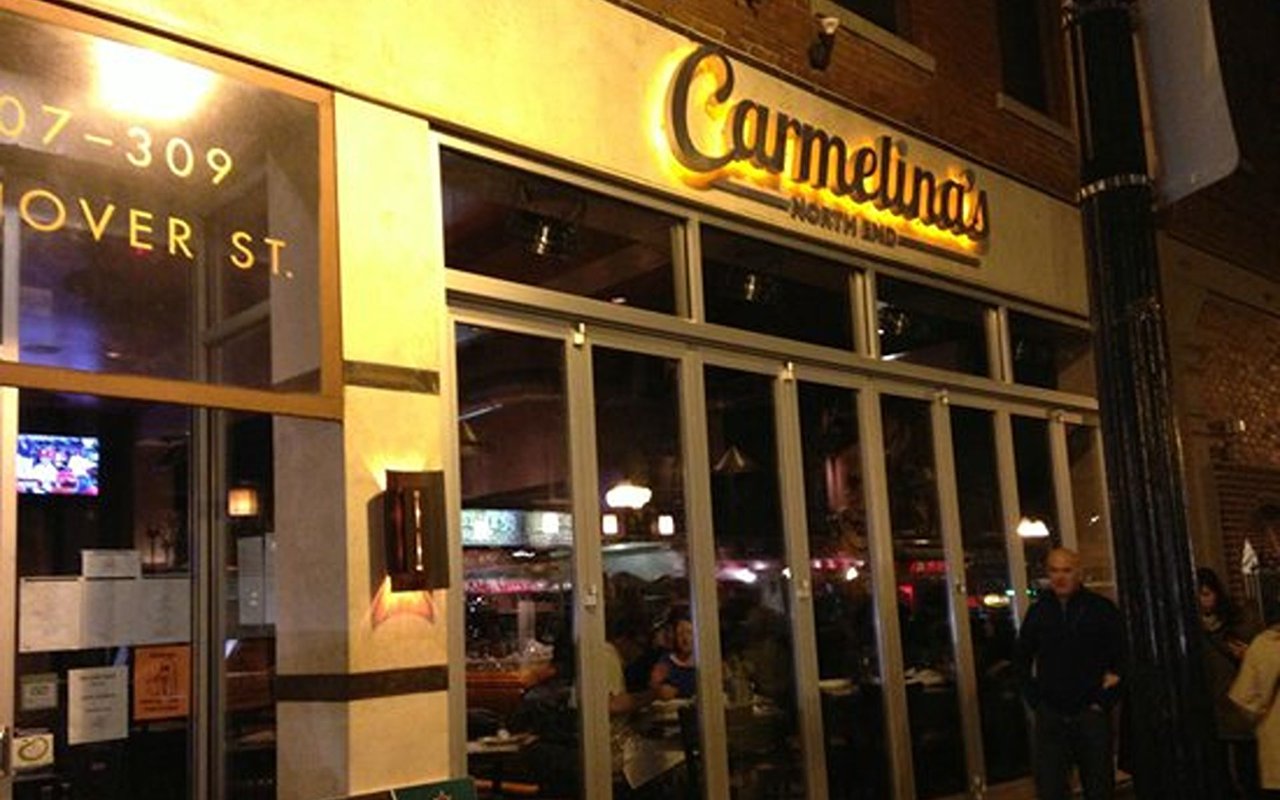
Beyond the waterfront, Boston says residents use shops and restaurants along Main Street and in City Square. That local network helps support daily routines without requiring every errand or meal to happen downtown.
This is an important distinction if you are comparing neighborhoods. The Navy Yard is not trying to replicate the density of the Financial District or Back Bay. Instead, it offers a more local-scale rhythm with practical nearby conveniences.
Parks and Open Space Add Balance
Charlestown also has several open-space anchors listed by the City of Boston, including City Square Park, John Harvard Mall, Paul Revere Park, Thomas Menino Park, the Training Field, and Clougherty Pool.
For many people, that mix changes how a neighborhood feels on an ordinary weekday. You are not just near Boston. You also have places to walk, sit, and spend time outside close to home.
Harbor Access and Waterfront Living
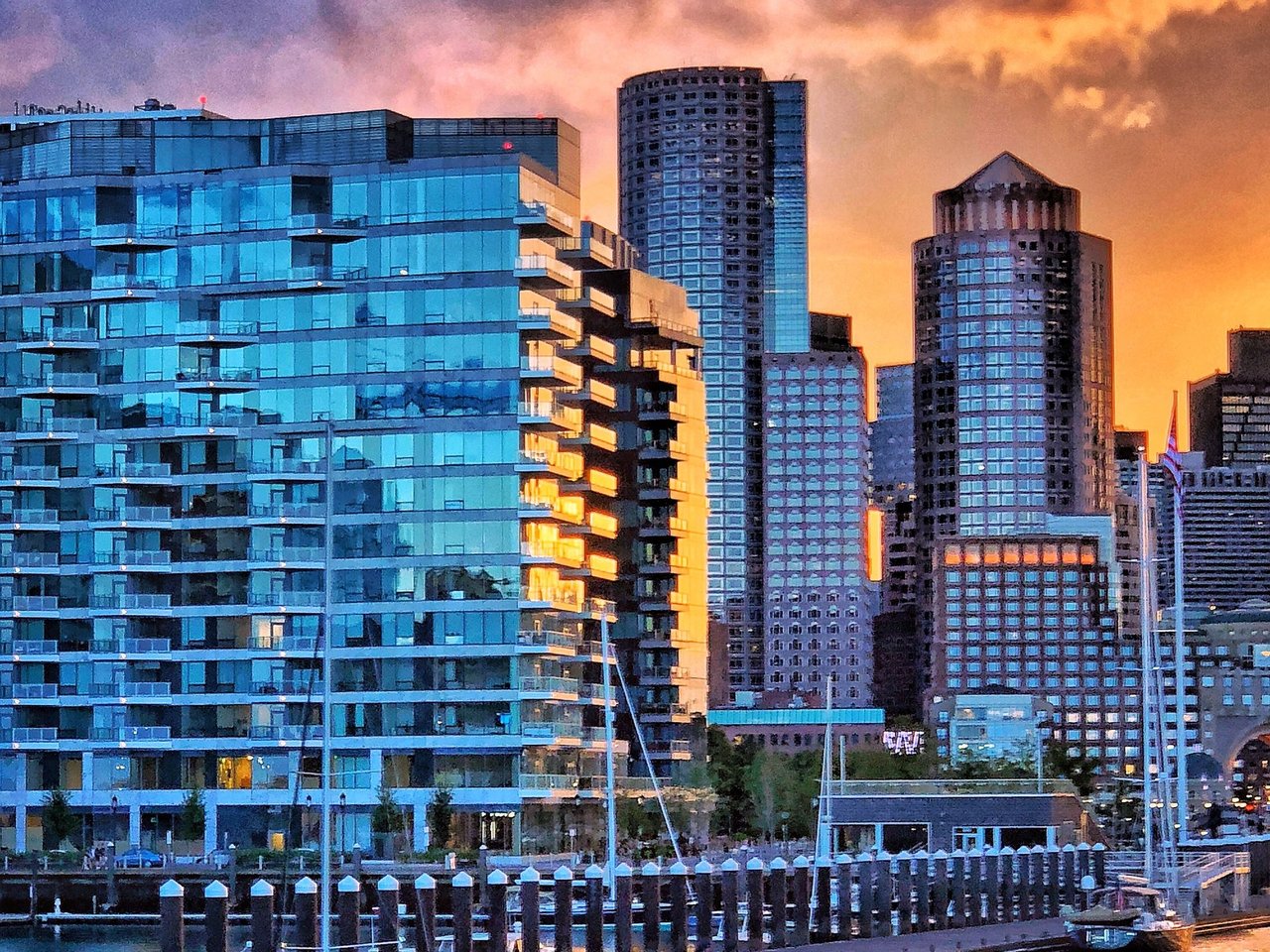
If there is one feature that defines the Navy Yard lifestyle, it is direct access to the water. This is where the neighborhood stands apart in a very tangible way.
The Harborwalk Shapes the Experience
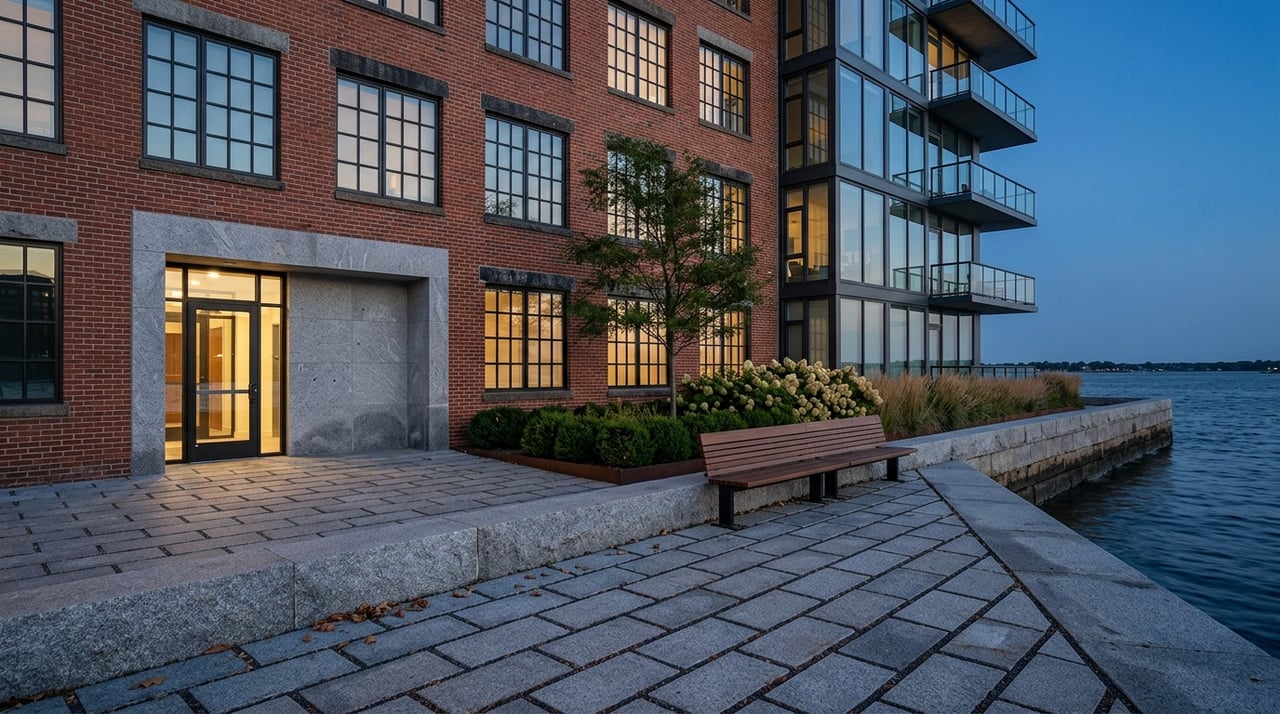
Boston’s coastal resilience materials describe the Harborwalk as a community amenity extending along the Charlestown Navy Yard waterfront. It provides public access between parks, water-borne transportation facilities, businesses, residences, and marinas.
That means the waterfront is not just something you look at from a distance. It is part of how you move through the neighborhood and experience it day to day.
For buyers focused on lifestyle, this can be a major advantage. Harbor access here feels woven into everyday living rather than reserved for occasional use.
Menino Park Adds Another Layer
Thomas M. Menino Park strengthens that waterfront character. Boston describes it as a Charlestown open-space resource with elevated lawns, viewing decks, and an accessible Harborwalk.
It was designed as a place of respite from the city, and that description fits the broader appeal of the Navy Yard. You remain close to central Boston while also gaining a setting that feels more open and visually connected to the harbor.
Tradeoffs to Consider Before You Move
Every neighborhood has tradeoffs, and the Navy Yard is no exception. If you are considering a move here, it helps to look at the strengths and the limitations together.
Weather Can Affect Ferry Service
The ferry is one of the neighborhood’s biggest selling points, but it is not immune to conditions on the water. Boston’s coastal resilience work notes that flooding can disrupt MBTA ferry service in Charlestown.
That does not erase the value of the ferry, but it does reinforce why backup transit options matter. If you choose the Navy Yard, flexibility is part of using the location well.
Waterfront Access Comes With Flood Considerations
Boston also notes that storms and sea-level rise can overtop Harborwalk areas. For anyone considering a waterfront home, that is an important part of the broader picture.
This does not mean the area lacks long-term appeal. It simply means that waterfront living should be evaluated with both lifestyle benefits and resilience considerations in mind.
Who the Navy Yard Fits Best
The Charlestown Navy Yard tends to appeal to people who want close-in Boston living with a more open, harbor-oriented setting. That can include professionals who value a quick trip into the city, downsizers looking for convenience and scenery, and buyers drawn to waterfront residences without choosing a classic downtown environment.
It can also be a strong fit if you want a neighborhood that feels connected but not overly dense. The combination of ferry access, parks, local services, and public waterfront space creates a living experience that is distinct within Boston.
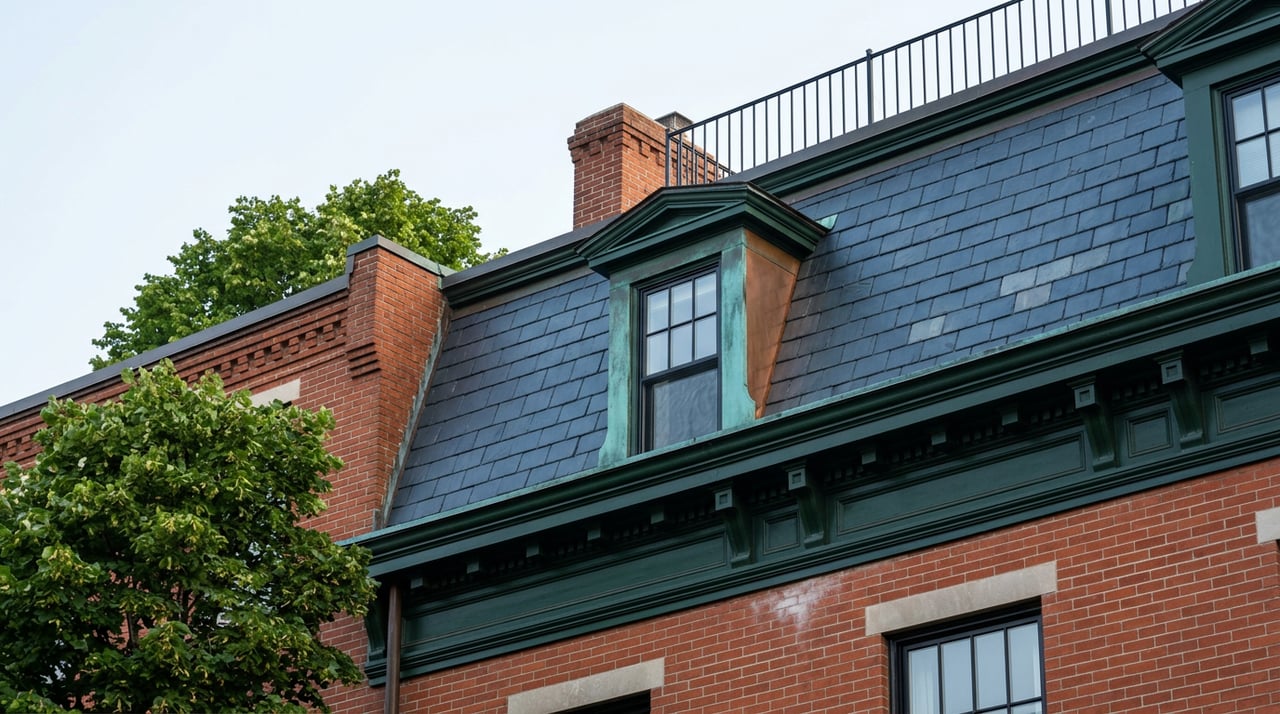
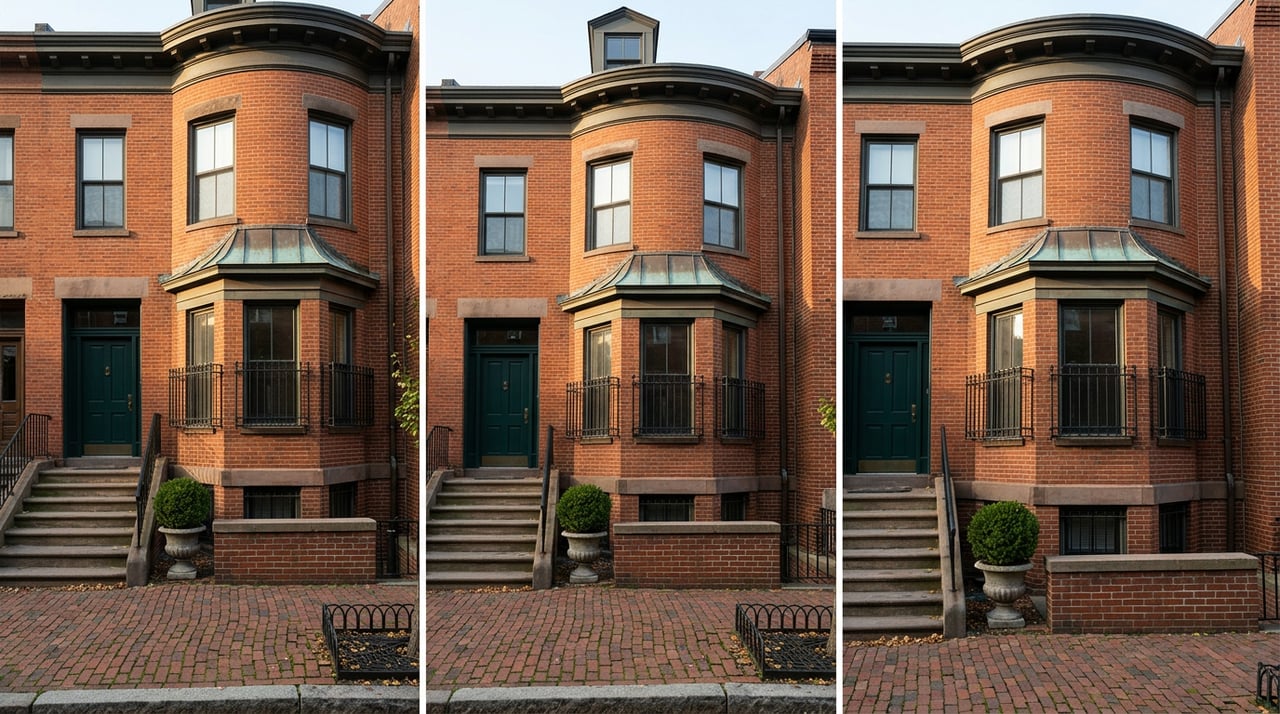
If your priorities include walkable harbor access, a memorable commute, and a residential atmosphere with historic character, the Navy Yard may belong on your short list. If you want help evaluating Charlestown condos, waterfront homes, or how this micro-market compares with other Boston neighborhoods, The David Green Group can help you navigate the options with local insight and a clear strategy.
FAQs
How do you commute from Charlestown Navy Yard to downtown Boston?
- The signature commute is the MBTA ferry from Charlestown Navy Yard to Long Wharf, which takes about 10 minutes and runs seven days a week when weather allows. Backup options include the Orange Line at Community College Station, bus routes 92 and 93, and North Station about a 15-minute walk away.
What amenities are available near Charlestown Navy Yard in 02129?
- The area includes shops and restaurants along Main Street and in City Square, plus public amenities in the Navy Yard such as a visitor center, exhibits, restrooms, and 24-hour access to the grounds.
What parks and open space are near Charlestown Navy Yard?
- Boston lists nearby open spaces including City Square Park, John Harvard Mall, Paul Revere Park, Thomas Menino Park, the Training Field, and Clougherty Pool.
What is the Harborwalk in Charlestown Navy Yard?
- The Harborwalk is a public waterfront amenity that runs along the Charlestown Navy Yard and connects parks, water transportation facilities, businesses, residences, and marinas.
What are the tradeoffs of living in Charlestown Navy Yard?
- The biggest tradeoffs are that driving in Boston can be difficult, ferry service can be disrupted by flooding, and some Harborwalk areas may be overtopped during storms and sea-level rise events.
Is Charlestown Navy Yard more like downtown Boston or a residential waterfront district?
- The Navy Yard is better understood as a residential waterfront district with strong ferry access, public open space, and historic character rather than a classic dense downtown neighborhood.