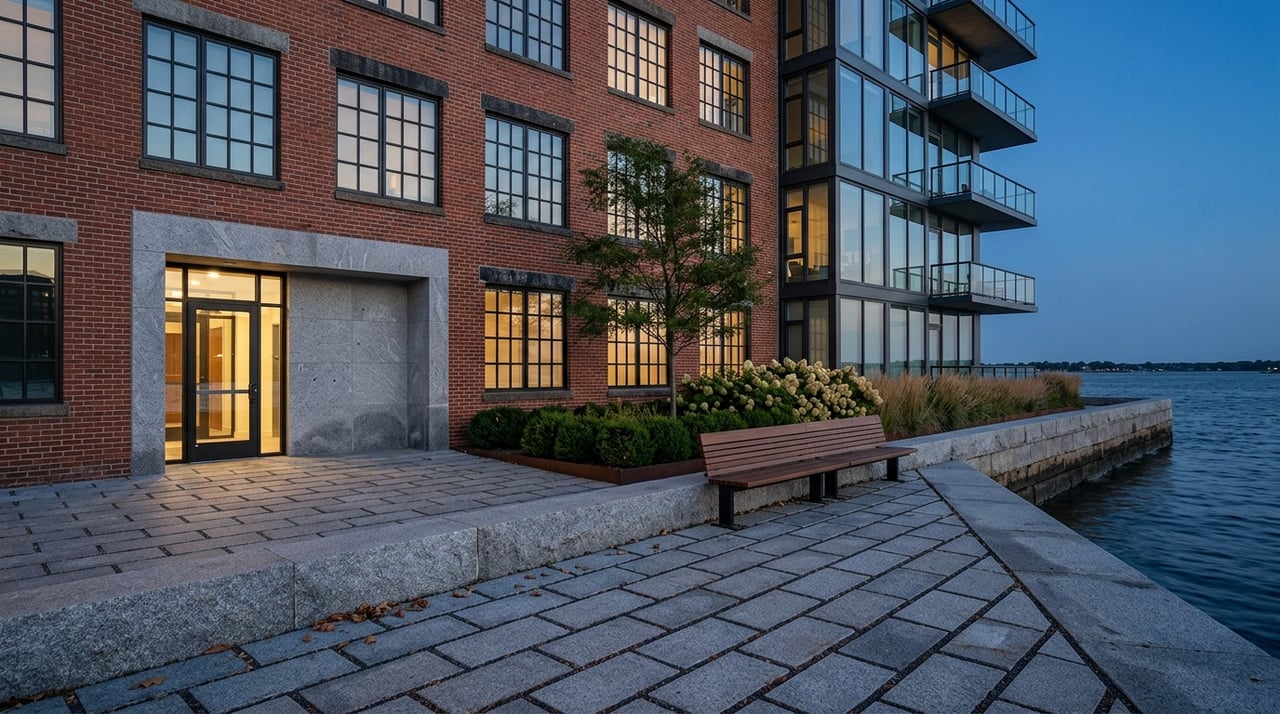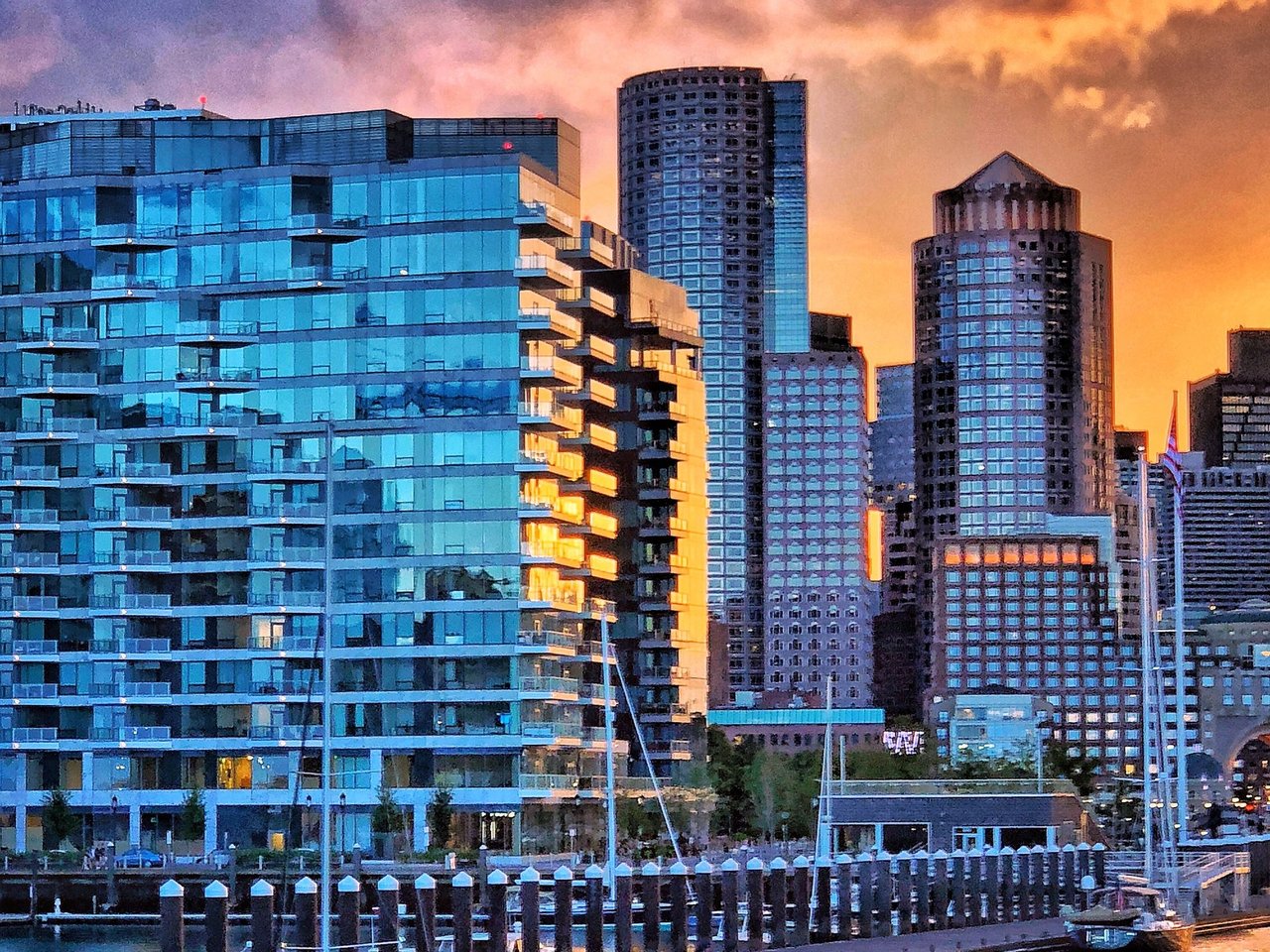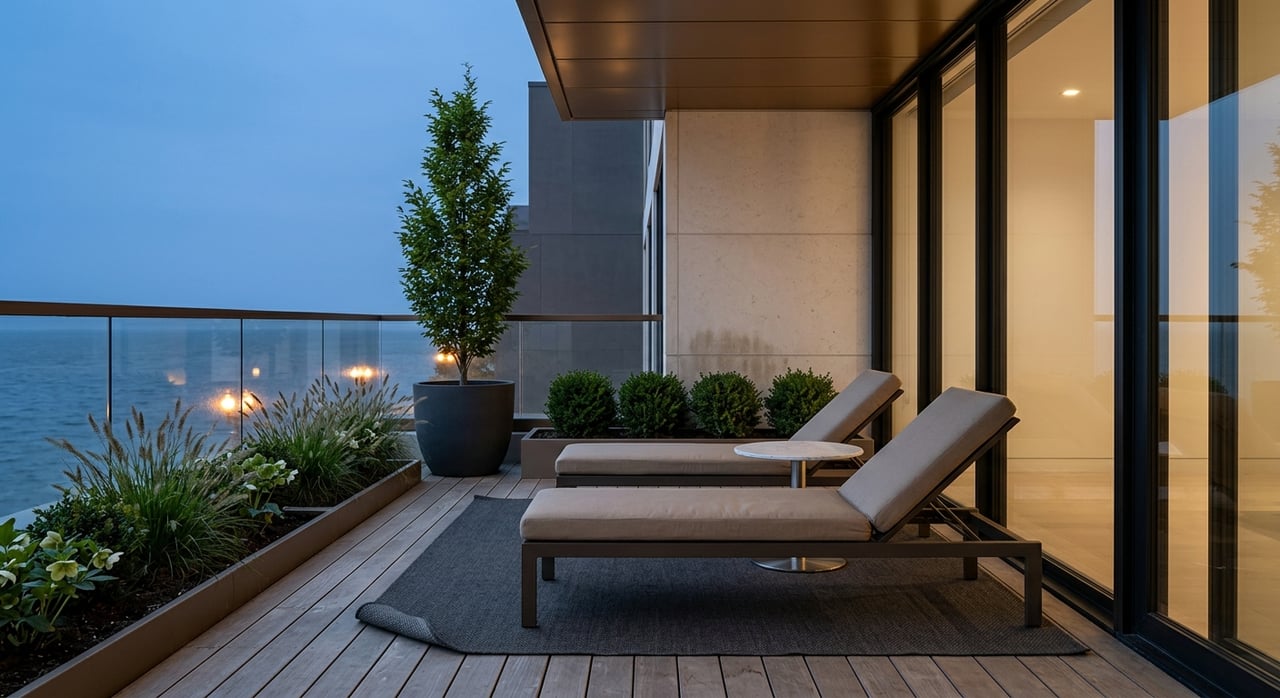
Buying a waterfront condo in Seaport can feel like checking every box at once: skyline views, full-service amenities, easy airport access, and a front-row seat to one of Boston’s most dynamic neighborhoods. But in 02210, a beautiful unit is only part of the story. If you want to buy with confidence, you need to look beyond finishes and floor plans and ask the right questions about the building, the block, and the waterfront itself. Let’s dive in.
Why Seaport condo diligence matters
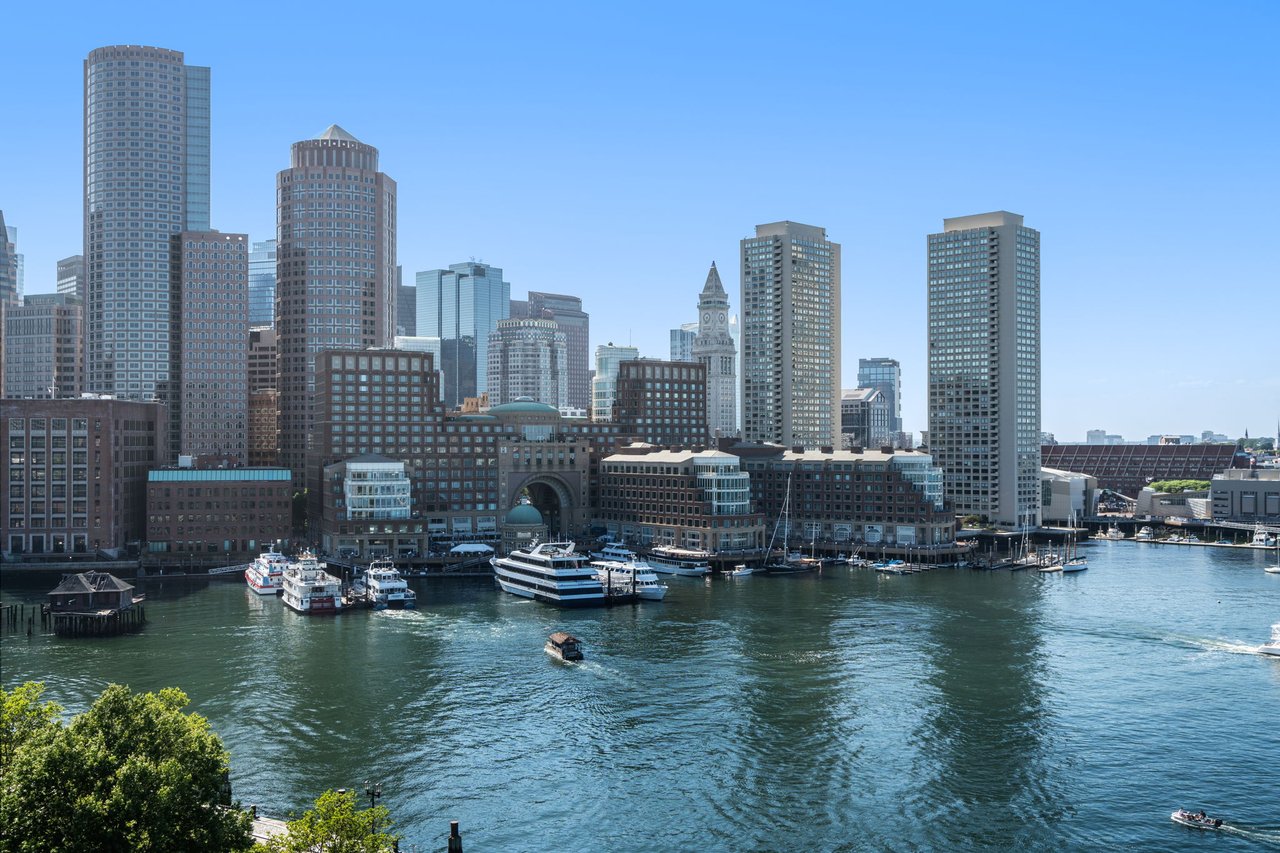
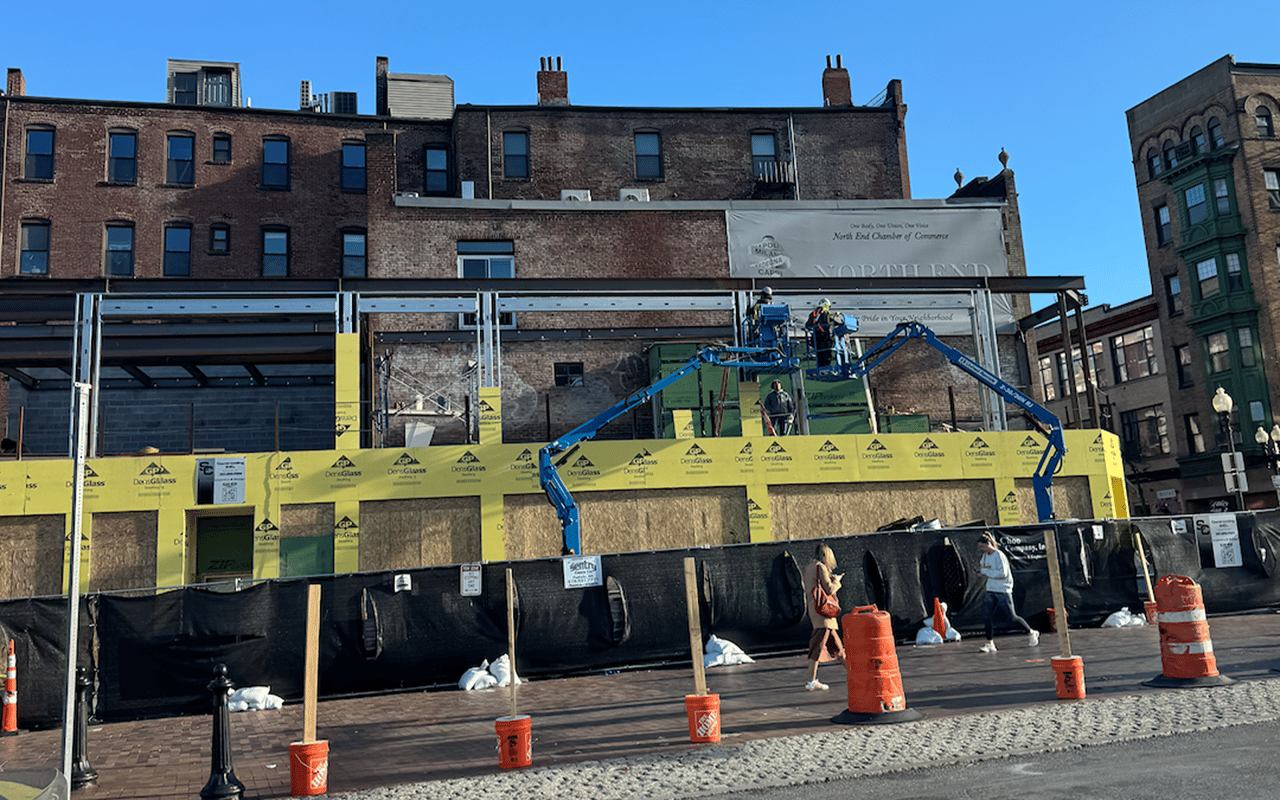
Seaport is not a static neighborhood. Boston Planning describes the South Boston Waterfront as an area that has evolved from historic industrial and warehouse uses into a mixed residential, creative, and tech hub, with Harborwalk access and active development still underway.
That matters because what surrounds your condo can shape your day-to-day experience just as much as the unit itself. Light, noise, traffic patterns, public access, and even your view may change over time depending on nearby projects and public-realm improvements.
Ask about future development nearby
A waterfront view can be a major reason to buy, but in Seaport, you should treat any current view as something to verify, not assume will stay the same. Boston Planning lists active projects within the Seaport Square PDA, which is planned to create about 20 new urban blocks.
Before you commit, ask which nearby parcels are active, under review, or likely to be redeveloped next. That includes underused sites, adjacent lots, and any nearby areas that could affect sunlight, privacy, shadows, or construction exposure.
Questions to ask about surrounding parcels
- What nearby projects are active or in review?
- Which lots could affect views, light, or noise?
- Are there underused parcels or air-rights sites nearby?
- Is there expected construction timing for nearby blocks?
Why this matters in Seaport
The South Boston Waterfront planning framework was built around mixed uses, transit, public space, and waterfront access. In practical terms, that means the neighborhood is designed to keep evolving, and buyers should factor that into any long-term decision.
Understand Harborwalk and public access
Many buyers love the idea of living near the water, but on the Boston waterfront, access is also a public planning priority. Harborwalk is a continuous public walkway that has been built in segments by developers under waterfront zoning rules.
That means the edge around your building may involve public access obligations, design conditions, or open-space features that affect privacy, foot traffic, and how the waterfront feels day to day. A quiet-looking stretch today may function differently as nearby segments and public improvements continue to connect.
Questions to ask about waterfront access
- How does the building connect to Harborwalk?
- Are there public access requirements on or next to the site?
- Are there Chapter 91 conditions that affect setbacks or edge design?
- Could future public-realm work change circulation around the property?
Review condo finances carefully
In any condo purchase, the association’s financial health matters. In Massachusetts, condominiums are required to maintain an adequate replacement reserve fund that is separate from operating funds.
That is especially important in larger, full-service, or waterfront buildings, where long-term maintenance planning can have a meaningful effect on monthly costs and future owner charges. A polished lobby and strong amenities do not automatically mean the numbers are equally strong.
Documents to request before closing
Massachusetts law requires condo associations to maintain records including the master deed, bylaws, minute book, financial records, reserve-fund records, contracts, and current insurance policies. Those records must be available for reasonable inspection by unit owners and mortgagees.
Ask to review:
- The master deed
- The bylaws
- The latest budget
- The most recent financial report
- Reserve-fund records
- Current insurance policies
- Major vendor contracts
- Recent board minutes
Financial questions worth asking
- Is the reserve fund adequately funded and kept separate from operating cash?
- Has the association approved capital projects that could increase common expenses?
- When was the latest financial report completed?
- For larger buildings, has an independent CPA review been completed as required?
- If the building has more than 10 units, is fidelity insurance in place?
Learn how the building is governed
Governance can affect how quickly a building makes decisions, how rules are updated, and how owners handle future capital needs. One useful question is whether the association is still under declarant control or has fully transitioned to owner control.
That distinction matters because certain governance and financial practices can change after turnover. If you are buying in a newer or recently completed building, it is smart to understand where the property is in that process.
Governance questions to ask
- Is the association still under declarant control?
- How are major building decisions approved?
- Have owners recently voted on reserve or budget policies?
- Do recent board minutes show recurring concerns or upcoming projects?
Look beyond today’s view
In Seaport, one of the most important questions is not “What do I see now?” but “What could be built next?” Views can be a major lifestyle and value driver, especially in upper-floor and waterfront residences, but they should always be analyzed in the context of nearby planning activity.
This is true not only for direct water views, but also for sightlines toward the skyline, Fort Point, and surrounding open space. A unit that feels wide open today may have a very different feel if nearby parcels move forward.
What to verify about views
- Which nearby sites could be redeveloped?
- Are there active Seaport Square projects close to the building?
- Could future buildings affect morning or afternoon light?
- Might new construction introduce noise, shadows, or privacy changes?
Ask direct questions about flood risk
Waterfront living comes with obvious benefits, but it also deserves a separate flood-risk review. Boston notes that low-lying coastal areas are becoming more vulnerable as sea levels rise and storms intensify, and the city points buyers to flood-risk mapping resources.
Boston also notes that the Seaport and Logan Airport sit on land created by historic landfill, which helps explain why flood resilience should be part of your due diligence. This is not a reason to avoid the area. It is a reason to understand the specific property clearly before you close.
Flood-risk questions to ask
- Is the unit in a mapped flood-risk area?
- Are the garage, lobby, or building systems in a flood-prone zone?
- What insurance requirements apply to the property?
- What flood-mitigation measures are already in place?
Building resilience matters too
Boston’s coastal-resilience planning for South Boston includes strategies such as a raised Harborwalk and other infrastructure work aimed at protecting waterfront areas while maintaining access and connectivity. That makes it worth asking how your specific building fits into the broader resilience picture.
You should also ask how the property handles access during storms, high tides, or nearby resilience construction. For many buyers, daily convenience matters just as much as the insurance question.
Test the commute, not just the map
Seaport’s location is a major draw for many condo buyers. Boston Planning highlights access via I-90, the Silver Line, and several MBTA bus routes, and notes that Logan Airport and South Station are just a Silver Line stop away.
Massport also notes that Logan’s free on-airport shuttle connects terminals, Airport Station, the Rental Car Center, and the Water Transportation Dock, while free Silver Line service links Logan to South Station. On paper, that can sound ideal. In practice, your real experience depends on timing, traffic, and your typical route.
Questions to ask about mobility
- What is the actual trip like at your normal departure time?
- How does traffic affect access to I-90?
- How convenient is the Silver Line from this exact building?
- How does the area function during nearby construction or weather events?
A smart Seaport purchase is about the full picture
A waterfront condo in 02210 can offer an exceptional lifestyle, but the best purchases usually come from asking sharper questions than most buyers think to ask. In Seaport, that means looking at the unit, the building, the block, the waterfront rules, and the city’s ongoing development and resilience work as one connected picture.
When you understand those moving parts upfront, you can buy with more clarity and fewer surprises. If you want experienced guidance on Seaport condos, full-service buildings, and Boston waterfront purchases, connect with The David Green Group.
FAQs
What should you ask before buying a Seaport waterfront condo?
- Ask about nearby development, Harborwalk and public access obligations, condo reserves, governance, flood risk, insurance requirements, and how access works during storms or construction.
Why can Seaport condo views change over time?
- Boston Planning shows active development in the South Boston Waterfront and Seaport Square, so nearby parcels may be built out in ways that affect light, noise, shadows, and sightlines.
What condo documents should you review in Massachusetts before closing?
- Request the master deed, bylaws, latest budget, recent financial report, reserve-fund records, insurance policies, major vendor contracts, and recent board minutes.
Why is flood risk important for Boston Seaport condos?
- Boston identifies low-lying coastal areas as increasingly vulnerable to sea level rise and stronger storms, and buyers should review flood mapping, building mitigation features, and access planning before closing.
How should you evaluate a Seaport condo commute?
- Test the route at the time you would actually travel and compare driving, Silver Line access, airport access, and building-specific convenience instead of relying only on a map.