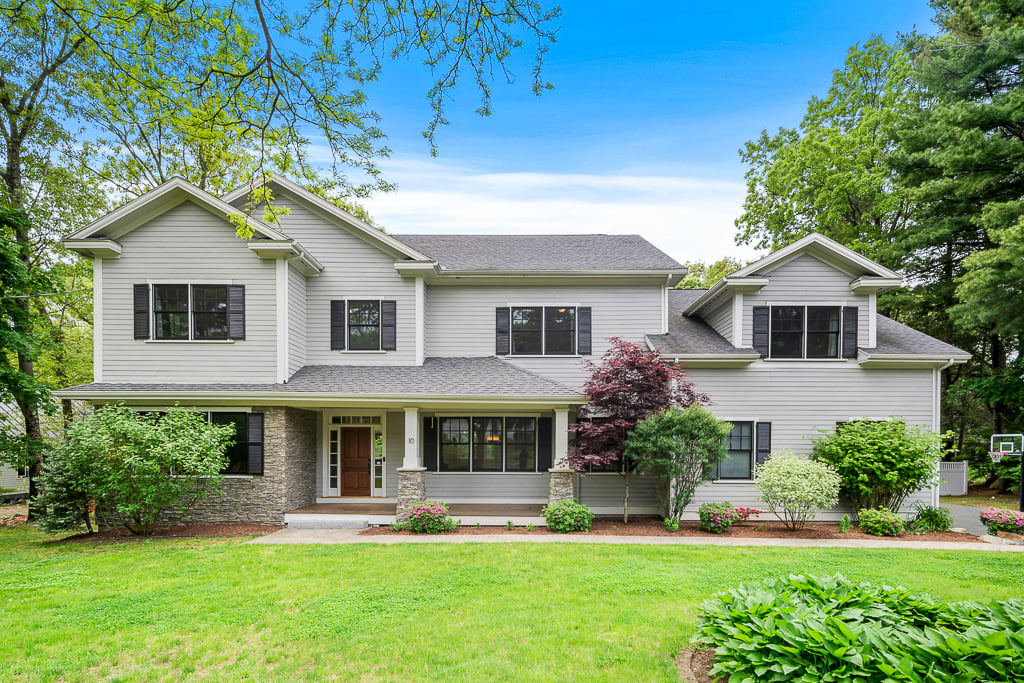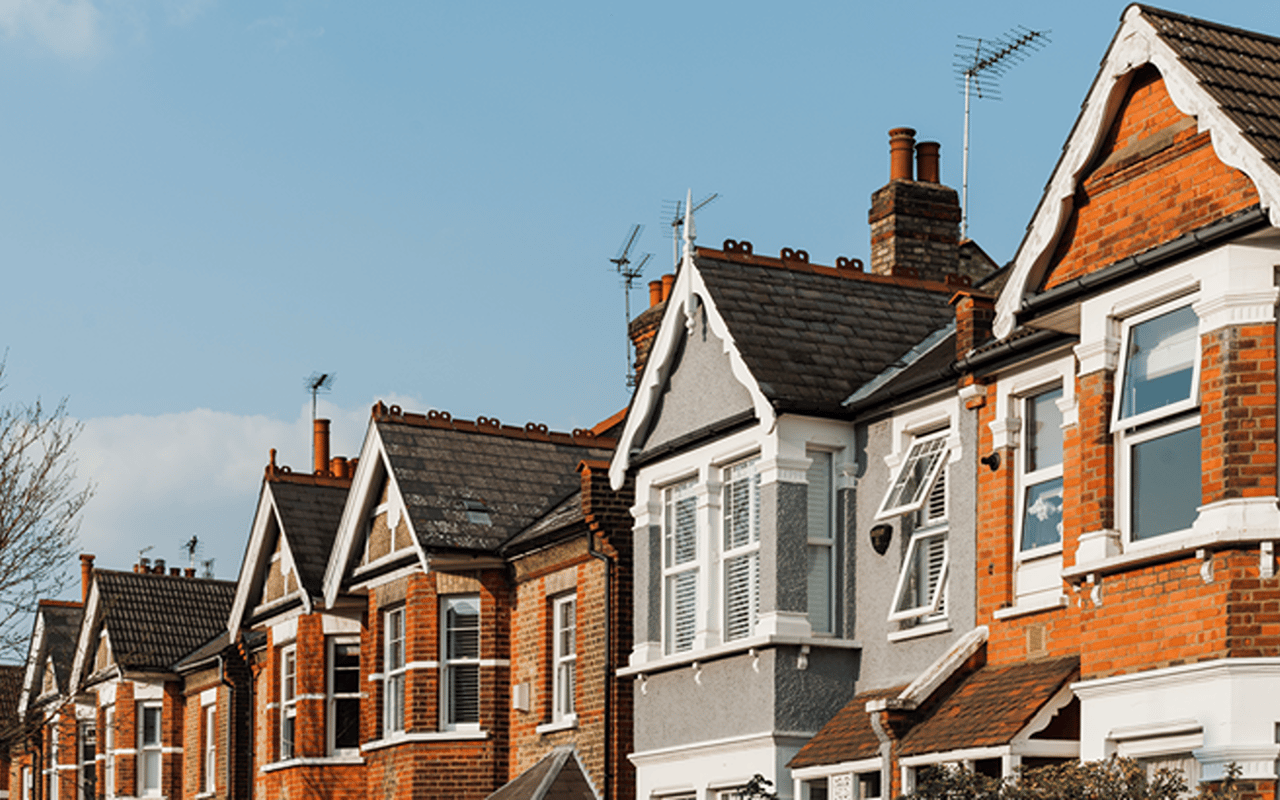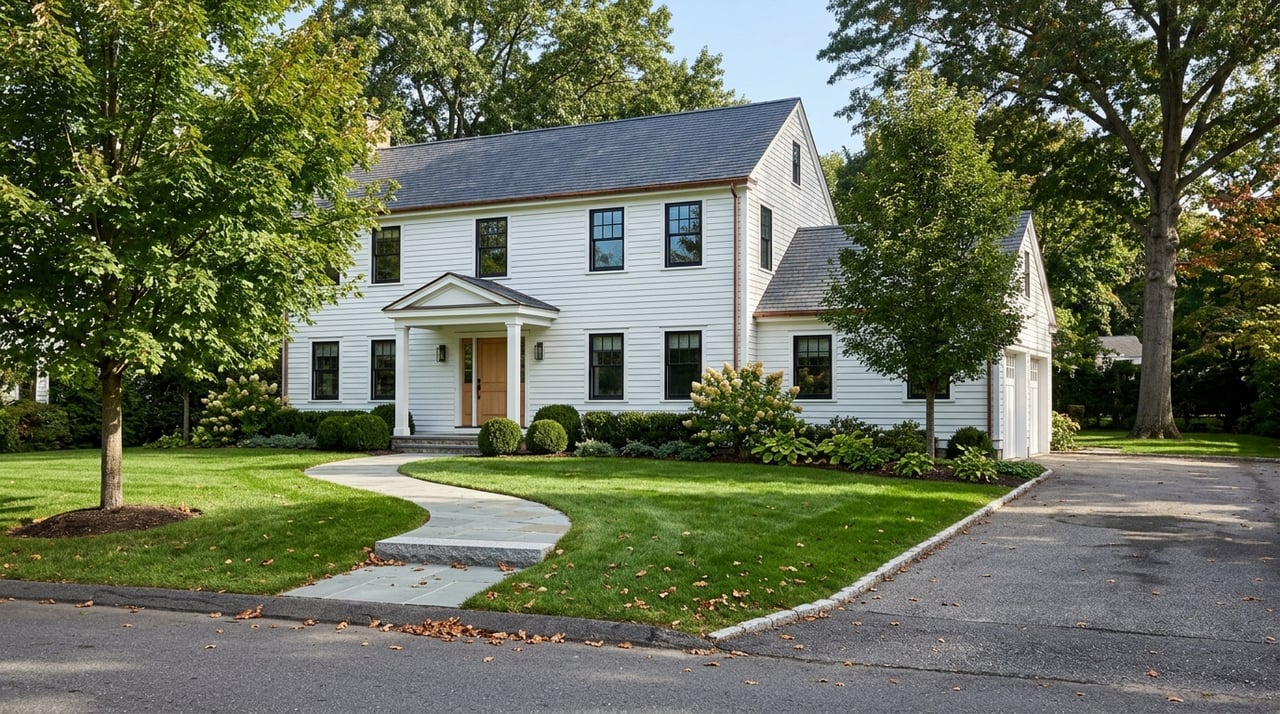
Wondering what daily life in Lexington actually feels like once the moving boxes are gone? If you are coming from Boston or another close-in suburb, the biggest shift is usually pace: more space, more local routines, and a town layout that makes everyday life feel structured but easy. Here’s a practical look at what you can expect, from errands and commuting to outdoor time and community spaces. Let’s dive in.
Lexington at a glance
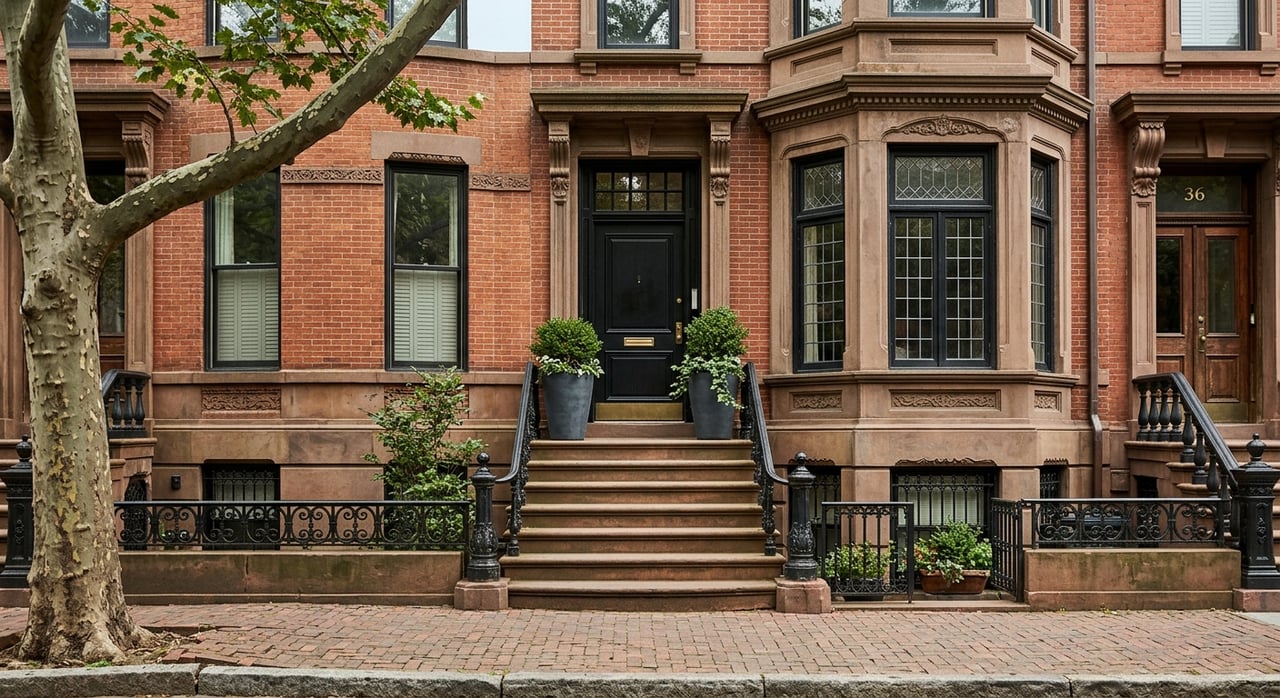
Lexington is an 11-mile drive northwest of Boston and covers 16.4 square miles. It has a population of 34,454 and is described by the town as primarily residential, with Lexington Center serving as the main shopping area.
The town’s housing profile also gives you a sense of its day-to-day character. Census QuickFacts reports an 80.5% owner-occupied housing rate, a median owner-occupied home value of $1,203,100, and a median household income of $238,444. The age mix is broad, with 25.5% of residents under 18 and 21.7% age 65 or older, which points to a multigenerational community rather than a place that feels transient.
Lexington Center anchors the week
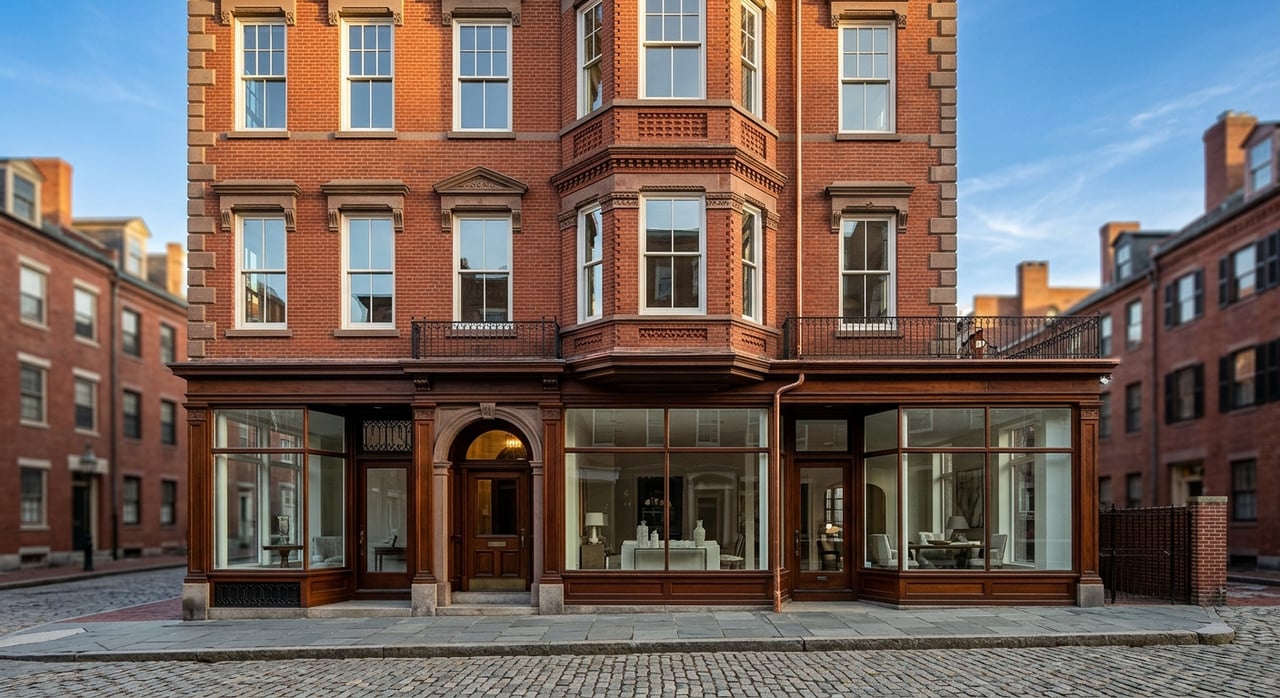
If you live in Lexington, a lot of your routine will likely run through Lexington Center. The town identifies it as the major shopping area, with retail stores, professional offices, banks, and restaurants all concentrated in one central district.
That matters because it gives everyday life a clear focal point. Instead of spreading errands across multiple disconnected commercial areas, you can often build a simple routine around one recognizable center.
What errands feel like
Lexington Center is set up for practical, repeat visits. The town notes large parking lots behind shops on both sides of Massachusetts Avenue, along with meters on Mass Ave, the Depot Square lot, the NStar lot, and free spaces in the Town Hall lot.
For many residents, that means errands can feel straightforward rather than rushed. You can park, walk a short distance, and take care of several stops in one outing.
A center with civic character
Lexington Center is not only commercial. It also connects to the Visitors Center, Battle Green, Buckman Tavern, the Olde Burying Ground, and nearby shops and restaurants through the Minuteman Bikeway corridor.
The Visitors Center is open daily from 8:30 a.m. to 4:30 p.m. and includes historical rooms, a gift shop, restrooms, and tour departures. Even if you are not doing the tourist loop every week, these civic and historic landmarks help give the center a more rooted, community feel.
The farmers' market adds local rhythm
One of the clearest signs of everyday life in Lexington is the weekly market pattern. The Lexington Farmers' Market runs a summer market on Tuesdays at Fletcher Park in Lexington Center, and it also operates a winter market.
The market describes itself as producer-only, which gives it a more local and community-oriented feel. For residents, that can turn an ordinary grocery stop into part errand, part weekly ritual.
Outdoor life is built in
In many towns, outdoor recreation is something you plan for on weekends. In Lexington, it is more woven into normal life.
The town has more than 1,400 acres of conservation land, 26 conservation areas, and over 50 miles of trails. Residents use these areas for jogging, picnicking, birdwatching, cross-country skiing, and bicycling, and volunteers help maintain the trail network.
Trails shape the feel of town
Because Lexington has such a broad trail and conservation system, green space is not limited to one destination. It becomes part of the town’s texture.
That can change how your week feels. A short walk after dinner, a morning jog, or a quick outdoor break can be close to home rather than something that requires a longer drive.
The Minuteman Bikeway matters
The Minuteman Bikeway is one of Lexington’s most practical lifestyle assets. The town says the paved, level trail runs 10 miles from Bedford Center through Lexington Center to Alewife and is used by commuters, cyclists, and pedestrians.
It is also normally plowed in winter, which makes it more useful year-round. From the Lexington section, you can reach local historic sites, shops, restaurants, and the Visitors Center, which helps the bikeway function as both recreation and transportation.
Getting around Lexington and beyond
Lexington is best understood as a car-plus-bus-plus-bike suburb. It is connected to Routes 95/128, Route 2, Routes 4/225, and Route 2A, which gives drivers several regional access points.
Lexington Center is accessible by car, Lexpress, MBTA bus routes 62 and 76, and the Minuteman Bikeway. Those MBTA bus routes connect to the Red Line at Alewife, which is a key part of how many residents bridge suburban and city life.
What the commute picture looks like
The town lists approximate driving times from Lexington Center of 10 minutes to Cambridge, 15 minutes to Boston, and 30 minutes to Logan Airport. Census QuickFacts reports a mean travel time to work of 30.7 minutes for Lexington workers.
For buyers comparing Boston with nearby suburbs, this is often one of the biggest lifestyle considerations. Lexington usually means you are trading a more walk-everywhere urban routine for a more spread-out pattern that still offers strong regional access.
Lexpress supports local routines
Lexpress has been operating since 1979 and is open to all riders. The town says it serves destinations across Lexington and beyond, including Market Basket, Burlington Mall, Lahey Hospital, and Arlington Heights MBTA Busway, with routes starting and ending at Depot Square.
That local bus system adds flexibility to everyday life. It helps make in-town errands, appointments, and activity planning more manageable, especially if you do not want every trip to depend on a car.
Community spaces make routines easier
A big part of Lexington’s appeal is that local amenities support repeatable, everyday use. Instead of feeling like occasional extras, places like the library and community center can become part of your weekly flow.
That kind of infrastructure matters if you are choosing a town for long-term fit. It helps daily life feel stable, organized, and close to home.
Cary Library offers more than books
Cary Library, located at 1874 Massachusetts Avenue, offers programs and activities for all ages. It also includes special collections in Lexington history, genealogy, and World Languages.
The town lists the library as ADA accessible and equipped with internet, parking, and restrooms. For many households, it serves as both a practical resource and a reliable part of the weekly routine.
The Community Center is highly practical
The Lexington Community Center is designed as a multigenerational gathering place. The town says it includes cardio and weight rooms, ping pong, billiards, study rooms, a Mansion Library, public Wi-Fi, outdoor amenities, senior services, youth and family programs, and meeting spaces.
It is open Monday through Friday from 8 a.m. to 9 p.m. and Saturday from 9 a.m. to 5 p.m. It is also accessible by Lexpress and the MBTA, which adds to its convenience.
One detail says a lot about Lexington’s everyday character: the center includes a Fix-It Shop open Tuesday through Thursday mornings. Small practical services like that can make a town feel especially livable.
What life feels like for a Boston mover
If you are relocating from Boston, Lexington will likely feel more residential, more spacious, and more routine-driven. At the same time, it does not feel cut off.
You still have a defined center, local shops and restaurants, bus connections, bikeway access, civic spaces, and a strong network of trails and conservation land. In practice, that often means your life becomes a little less compressed and a little more local.
Why Lexington appeals to long-term buyers
Lexington’s day-to-day appeal comes from how many needs can be met close to home. Errands can center around downtown, outdoor time is easy to fold into the week, and community amenities support a wide range of ages and interests.
For buyers thinking beyond square footage alone, that matters. A home is one part of the decision, but the ease and rhythm of everyday life often shape how a place feels over time.
If you are considering a move to Lexington or comparing it with other Greater Boston suburbs, working with a team that understands both city and suburban living can make the process much smoother. The David Green Group helps buyers and sellers navigate Boston-to-suburb moves with clear advice, local insight, and a high-touch approach.
FAQs
What is everyday life like in Lexington, MA?
- Everyday life in Lexington usually centers on Lexington Center for errands, dining, and services, with outdoor time, local programs, and community spaces built into the week.
How do residents get around Lexington, MA?
- Residents get around Lexington by car, Lexpress, MBTA bus routes including 62 and 76, and the Minuteman Bikeway, with bus access to the Red Line at Alewife.
What is Lexington Center like for daily errands?
- Lexington Center is the town’s main shopping district and includes retail stores, offices, banks, restaurants, and multiple parking options that support easy repeat visits.
What outdoor options are part of daily life in Lexington, MA?
- Lexington offers more than 1,400 acres of conservation land, 26 conservation areas, over 50 miles of trails, and the Minuteman Bikeway for walking, biking, and other outdoor activities.
What community amenities support daily life in Lexington?
- Cary Library, the Lexington Community Center, the farmers' market, and the town’s trail network all help support weekly routines and local activities.