Thinking about moving from Boston to Lexington? On paper, it can look like a short hop of about 11 miles. In real life, it is often a major shift in housing type, budget, commute habits, and move timing. If you want the transition to feel organized instead of stressful, it helps to understand how these two markets differ and what to plan before you make your next move. Let’s dive in.
Why Boston to Lexington Is a Bigger Move Than It Looks
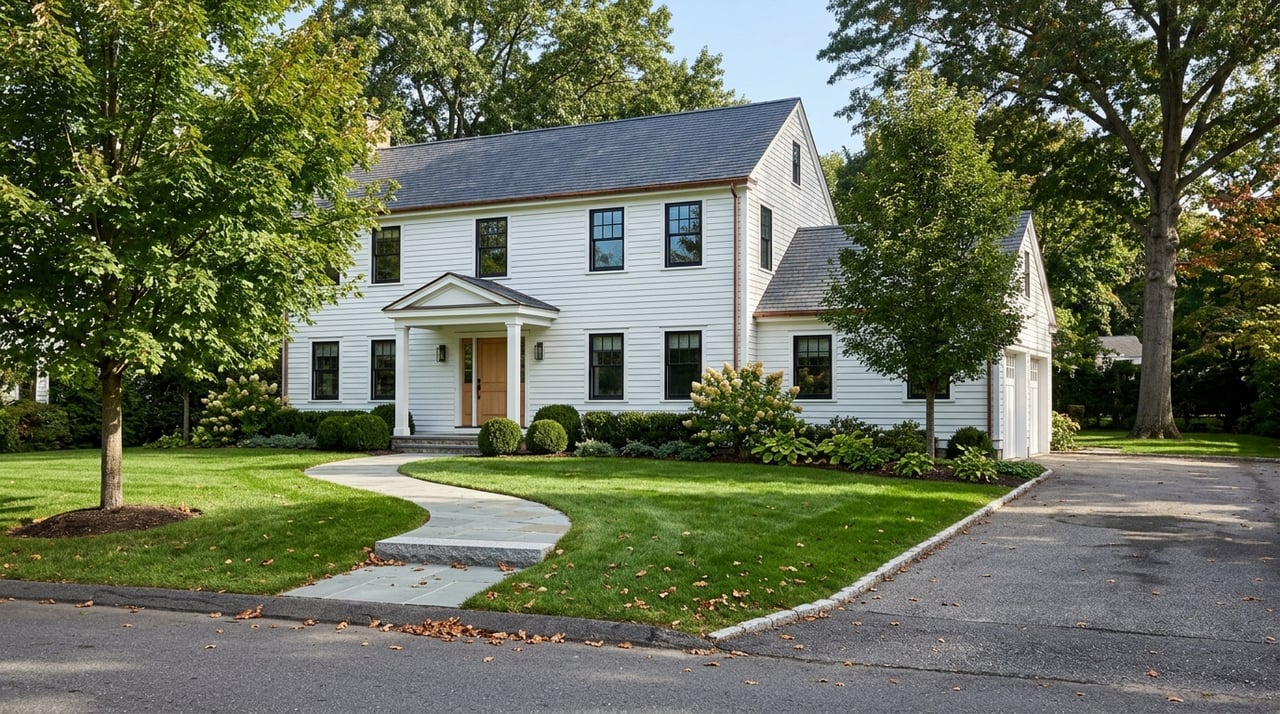
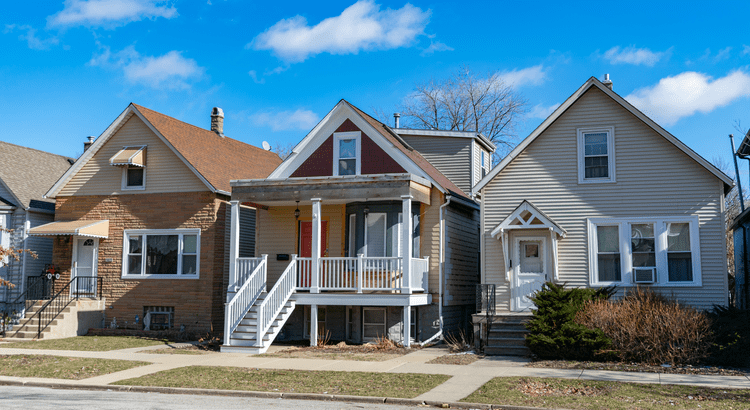
A move from Boston to Lexington is not just a change of address. It is often a shift from a city market shaped by attached and multi-family housing into a suburb where detached homes dominate the inventory.
Boston’s housing landscape is heavily multi-family, while Lexington’s recent housing assessment says more than 80% of housing units are single-family homes. That same assessment says rentals make up only about 17% of Lexington’s housing stock, which can affect how much flexibility you have if you need a temporary place to live during the transition.
For many buyers, that means your home search criteria may need to change quickly. Features you took for granted in Boston, such as elevator buildings, shared amenities, or a larger pool of rental options, may give way to a very different set of choices in Lexington.
What to Expect From Lexington Home Prices
If you are hoping Lexington will feel like a more affordable version of Boston with a little more space, it is important to reset expectations early. Lexington is not simply cheaper because it is suburban.
Redfin reports that in May 2026, Lexington had a median sale price of about $1.85 million, compared with about $852,000 in Boston. Lexington homes also received about 7 offers on average and sold in around 20 days, while Boston homes received about 2 offers on average and sold in around 26 days.
That data points to a market that is both expensive and fast-moving. If you are selling in Boston and buying in Lexington, your strategy needs to account for the fact that you may be moving into a market that is even more competitive than the one you are leaving.
Smaller Homes Still Come at a Premium
Some Boston buyers assume they can move to Lexington and find a smaller older home or a condo at a moderate price point. Lexington does offer condos and smaller homes, but the pricing may still be higher than expected.
According to the town’s housing assessment, the 2023 median single-family home price was $1.6 million and the median condo price was $820,000. The same report says two-thirds of Lexington single-family homes are assessed at $1.2 million or above.
That means downsizing in square footage does not always mean a dramatic drop in cost. If budget is a key factor, it helps to define your comfort zone before you begin touring homes.
Older Modest Homes Can Be Harder to Find
Buyers sometimes picture a smaller classic house that they can update over time and keep relatively modest. In Lexington, that may be harder to find than expected.
The town’s housing assessment says nearly three out of four new single-family homes replace older homes that were torn down. It also says those new homes have averaged 2.74 times the size of the homes they replaced.
That trend matters because it can reduce the number of smaller legacy homes available in the market. If that type of property is your goal, you may need to act quickly when one becomes available.
How Commute Patterns Change in Lexington
Your commute plan may also look very different after the move. Lexington is tied closely to Boston-area commuting corridors, but it is not a rail-centered town in the same way some buyers expect.
The town highlights bus service, shuttles, biking, and walkable connections to Alewife and Cambridge. For many movers from Boston, that means daily transportation can become more multimodal, with driving, bus connections, and biking all playing a role.
MBTA and Lexpress Options
Lexington’s official MBTA service page says Route 62 runs from Alewife to Bedford VA and Route 76 runs from Alewife to Hanscom and Lincoln Lab. Both routes travel through Lexington. Route 62 operates 7 days per week, while Route 76 runs Monday through Friday.
The town also notes that Depot Square is the start and end point for all Lexpress buses. Alewife remains the key connection point for Red Line access into Cambridge and Boston.
Lexpress adds local flexibility. According to the town, it connects Lexington riders to destinations including Burlington Mall, Lahey Hospital, Arlington Heights Busway, and LRTA connections at Lahey Burlington.
The Minuteman Bikeway Is a Real Advantage
If you work hybrid or want options beyond driving, the Minuteman Bikeway can be a meaningful part of your plan. The town says the trail runs 10 miles from Bedford Center through Lexington Center to the Alewife MBTA station.
It is paved, level, and used by bicycle commuters, pedestrians, and recreational riders. The Lexington portion is normally plowed in winter, which adds to its usefulness throughout the year.
For some Boston-to-Lexington movers, this becomes one of the town’s most practical lifestyle benefits. It supports access to town amenities while also helping connect you to Alewife without relying only on a car.
What Daily Life Looks Like in Lexington Center
When you move from Boston, neighborhood rhythm matters just as much as square footage. Lexington Center serves as the town’s main civic and commercial hub, and it gives the community a clear focal point.
The town describes Lexington Center as the major shopping area with retail stores, professional offices, banks, and restaurants. It also includes important public resources such as Cary Library, the Cary Memorial Building, the Lexington Community Center, and town human services.
That mix makes Lexington feel less like a purely residential suburb and more like a town with a defined center. For many buyers, that is part of the appeal.
Battle Green and Civic Identity
Lexington’s center is shaped by more than shops and services. The Battle Green gives the area a strong sense of place and is described by the town as the physical and spiritual heart of Lexington.
The Visitors Center sits across from the Battle Green on Massachusetts Avenue. Together, these landmarks help create a town center experience that feels civic, historic, and walkable rather than generic.
Community Resources Matter During a Move
The Lexington Community Center can also be part of how you settle in. The town says it offers dining, fitness, game rooms, meeting spaces, youth and family programs, senior services, and access via Lexpress and the MBTA.
For buyers planning a major lifestyle shift, that kind of resource base can make the transition smoother. It gives you places to plug into daily life while you get familiar with your new routines.
How to Plan the Sell-and-Buy Timeline
The biggest challenge in a Boston-to-Lexington move is often not choosing the town. It is coordinating two transactions in two different markets without losing leverage on either side.
A strong starting point is to compare what you can afford with current Lexington pricing before your Boston home goes live. That early step can help you understand whether you are buying immediately, renting temporarily, or adjusting your search scope.
Why Preparation Matters More in Lexington
In a market where homes receive multiple offers and move quickly, buyers need a clean and credible offer package. Fannie Mae notes that multiple offers are common and that an offer usually includes earnest money, contingencies, and timing terms.
It also notes that pre-approval helps buyers move quickly and present stronger terms. In Lexington, that preparation is especially important because hesitation can cost you opportunities.
Sell First or Buy First?
There is no one-size-fits-all answer, but each path has tradeoffs. Selling first can reduce the risk of carrying multiple mortgages, though it may require temporary housing or a rent-back arrangement.
Buying first may reduce the need for a temporary move, but your lender will need to assess whether you can qualify while still carrying your existing mortgage. Since Lexington has a relatively limited rental stock, temporary housing may take more planning than many Boston movers expect.
Make Your Boston Home Ready Early
A practical takeaway from the market data is that this move often works best when your Boston home is sale-ready before your Lexington home search gets serious. Lexington’s pace and competition can make long chains of contingent transactions harder to execute smoothly.
That does not mean every move has to happen in the same week. It means your financing, timing, storage plan, and backup housing options should be thought through before you are in the middle of negotiations.
Use Bridge Financing Carefully
If buying before selling becomes necessary, bridge financing can sometimes help cover the gap. But it should be viewed as a specialty tool, not a default solution.
Chase describes bridge loans as short-term financing for buyers who want to purchase before their current home sells. It also notes that these loans are not recommended for most home purchases, so they are typically worth exploring only after you understand the risks, costs, and alternatives.
A Simple Transition Checklist
If you want the move to feel more manageable, focus on these steps early:
- Estimate your Boston sale proceeds and your Lexington budget
- Decide whether you are targeting a single-family home, condo, or temporary rental
- Review commute options, including MBTA routes, Lexpress, and Alewife access
- Map out your ideal move timing and backup timing
- Get pre-approved before the Lexington search becomes urgent
- Prepare your Boston home for market before you are ready to write offers in Lexington
- Plan for storage, rent-back, or short-term housing if your dates do not line up perfectly
The Smartest Way to Approach the Move
Moving from Boston to Lexington can be a great lifestyle shift, but it usually rewards preparation more than improvisation. You are likely moving into a market with more detached homes, fewer rentals, higher prices than many people expect, and strong competition.
If you start early, define your budget clearly, and build a realistic timeline around both the Boston sale and the Lexington purchase, you can make the transition far smoother. When you want local guidance that understands both sides of the move, The David Green Group can help you plan it with clarity and confidence.
FAQs
What is the biggest housing difference when moving from Boston to Lexington?
- Boston is heavily multi-family, while Lexington’s housing stock is dominated by single-family homes, with more than 80% of units classified as single-family in the town’s housing assessment.
How competitive is the Lexington housing market compared with Boston?
- Redfin reports Lexington homes received about 7 offers on average and sold in around 20 days in May 2026, compared with about 2 offers and 26 days in Boston.
Are Lexington condos more affordable than single-family homes?
- Generally yes, but they can still be expensive. Lexington’s housing assessment says the 2023 median condo price was $820,000, while the median single-family price was $1.6 million.
What public transit options connect Lexington to Boston-area destinations?
- Lexington is served by MBTA Routes 62 and 76, local Lexpress buses, and connections through Alewife for Red Line access.
Is the Minuteman Bikeway useful for Lexington commuters?
- Yes. The town says the paved, level trail runs from Bedford Center through Lexington Center to Alewife and is used by bicycle commuters as well as pedestrians and recreational riders.
Should you sell your Boston home before buying in Lexington?
- It depends on your finances and timing, but many movers benefit from having their Boston home sale-ready early because Lexington’s market is competitive and temporary housing options may be limited.