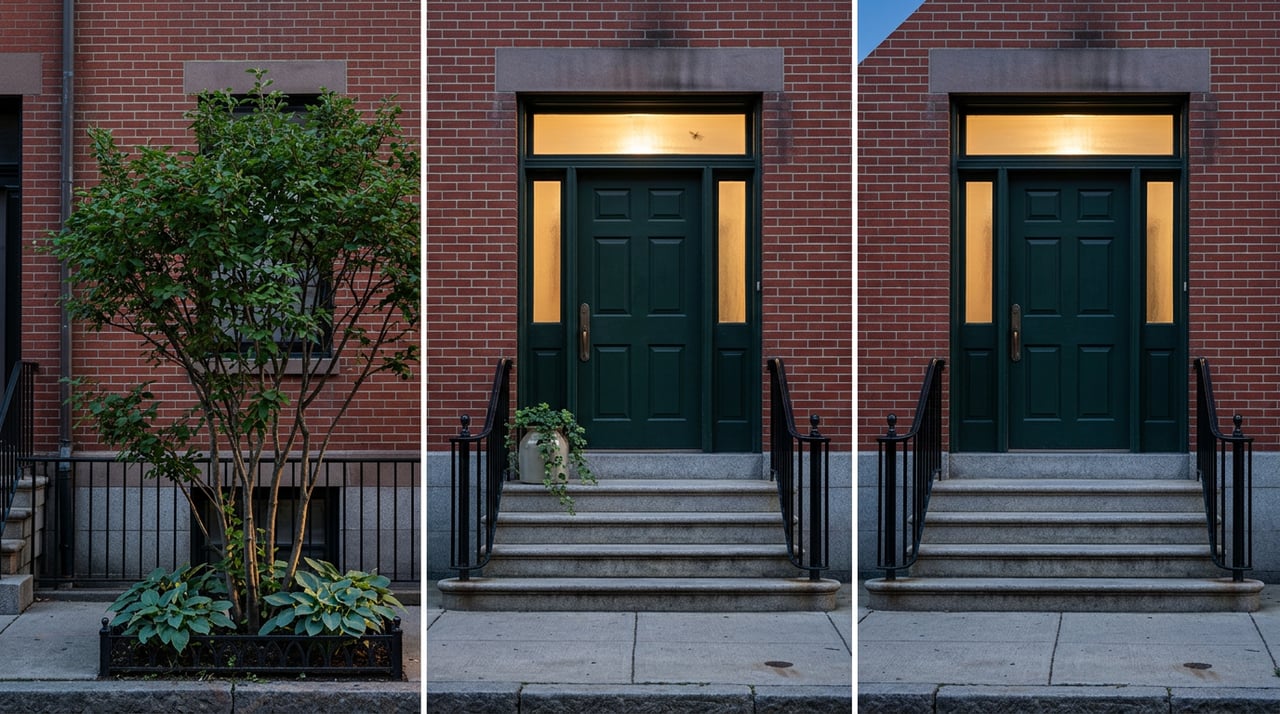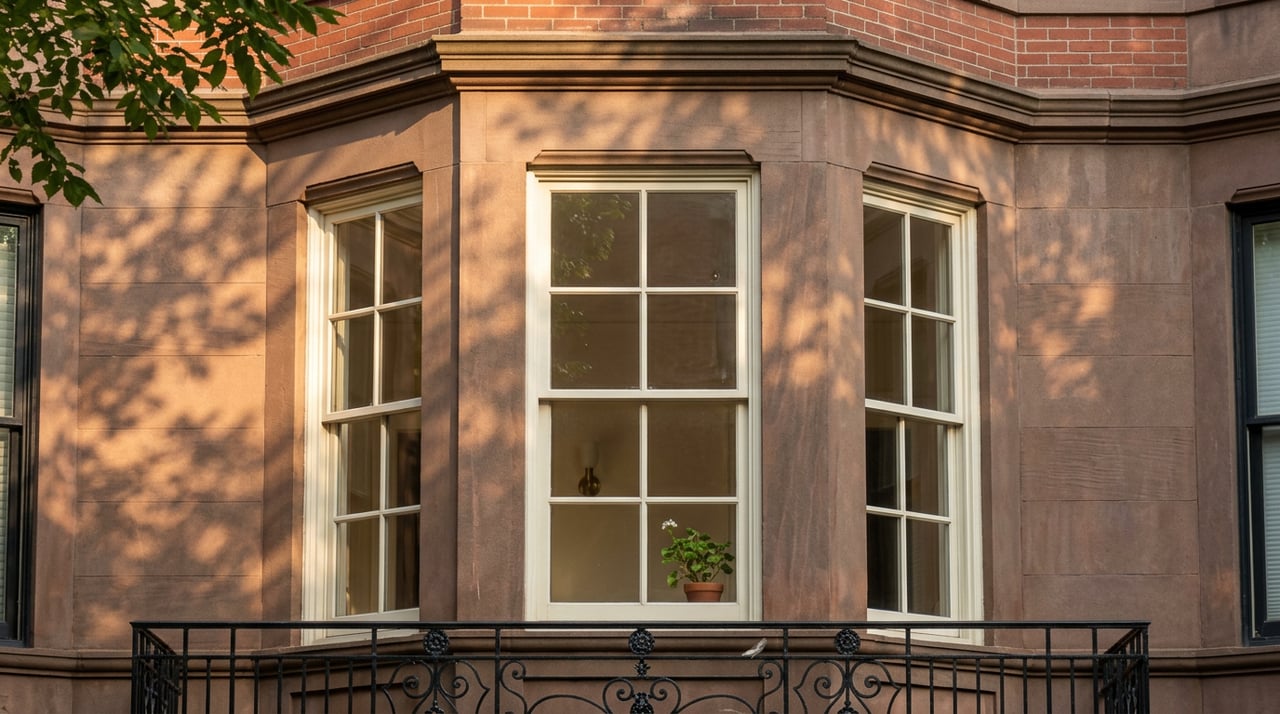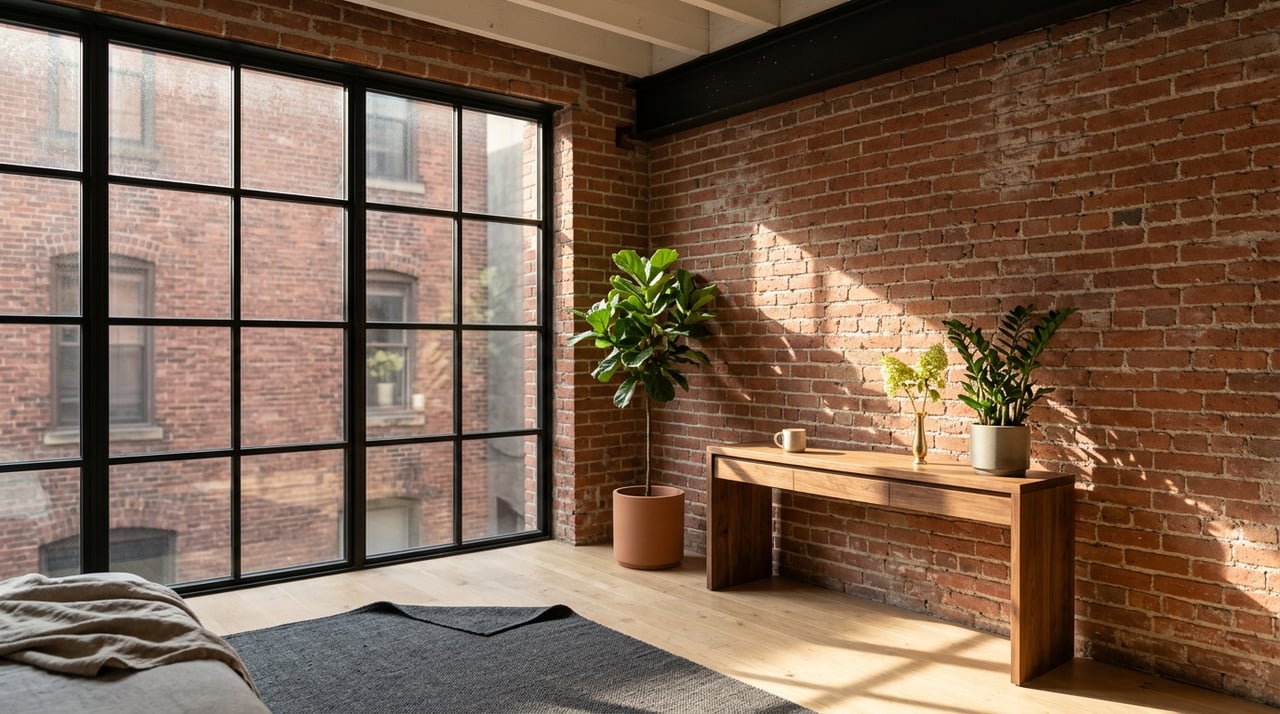
If you have been watching South End listings pile up this year, you have probably done the math anyone does when inventory rises: more choices for buyers should mean more room to negotiate. That is how supply and demand usually behaves. It is also, in this specific neighborhood, the wrong conclusion.
Inventory in the South End climbed nearly 39 percent year over year, according to a market snapshot published this summer by New England Condominium magazine. By the textbook, that should be softening prices. Instead, the same snapshot found properties still closing at 97 to 98 percent of original list price. Redfin's tracking of the three months ending in May 2026 showed the median sale price at $1.3 million, up 0.9 percent year over year, with price per square foot at $1,220, up 9 percent over the same period a year earlier. More homes on the market. Higher prices per square foot. That combination does not happen by accident, and it does not happen in most neighborhoods. It happens here because of what is actually generating the extra inventory, and it is not new construction.
Where the Extra Listings Are Actually Coming From
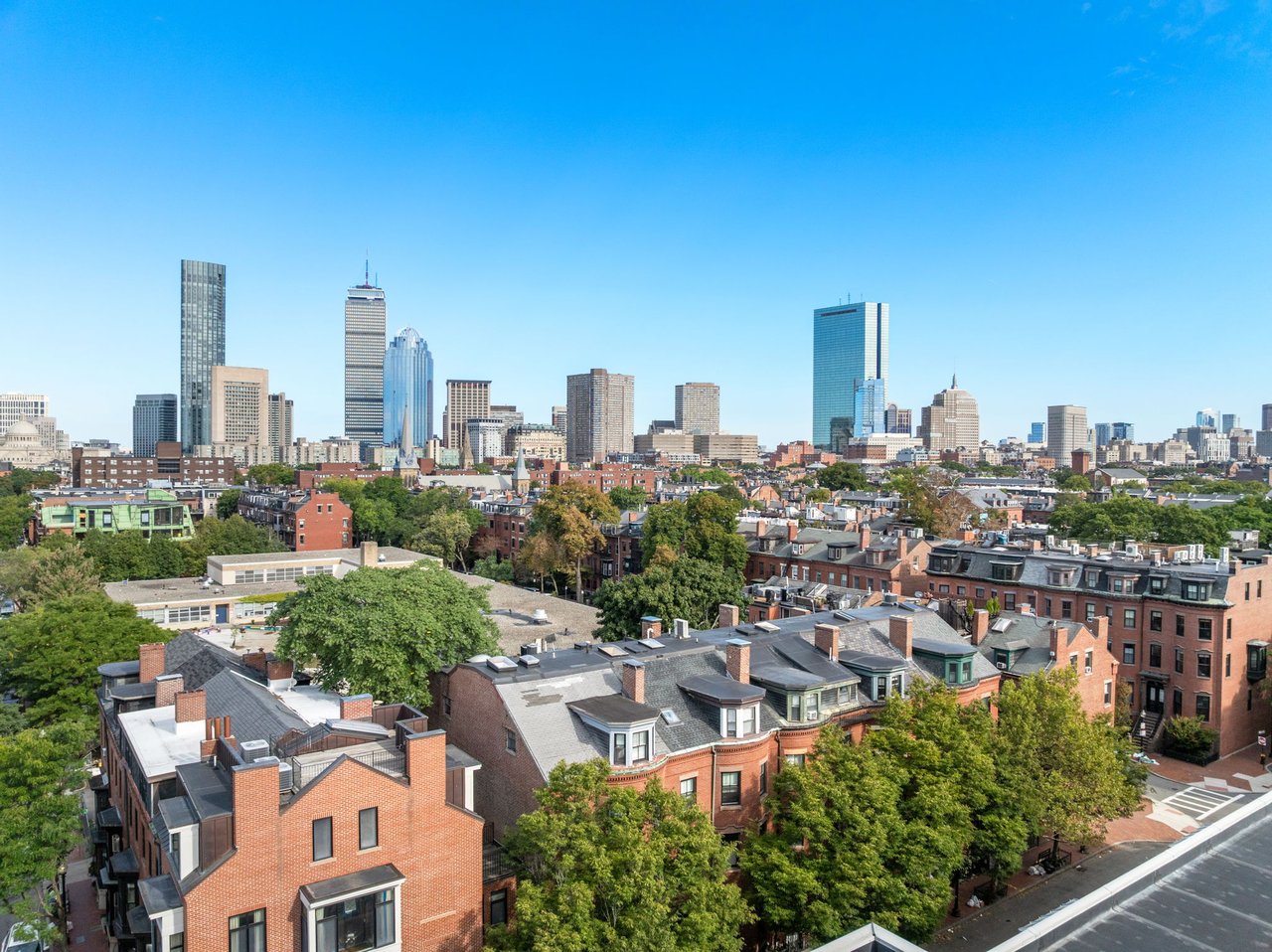
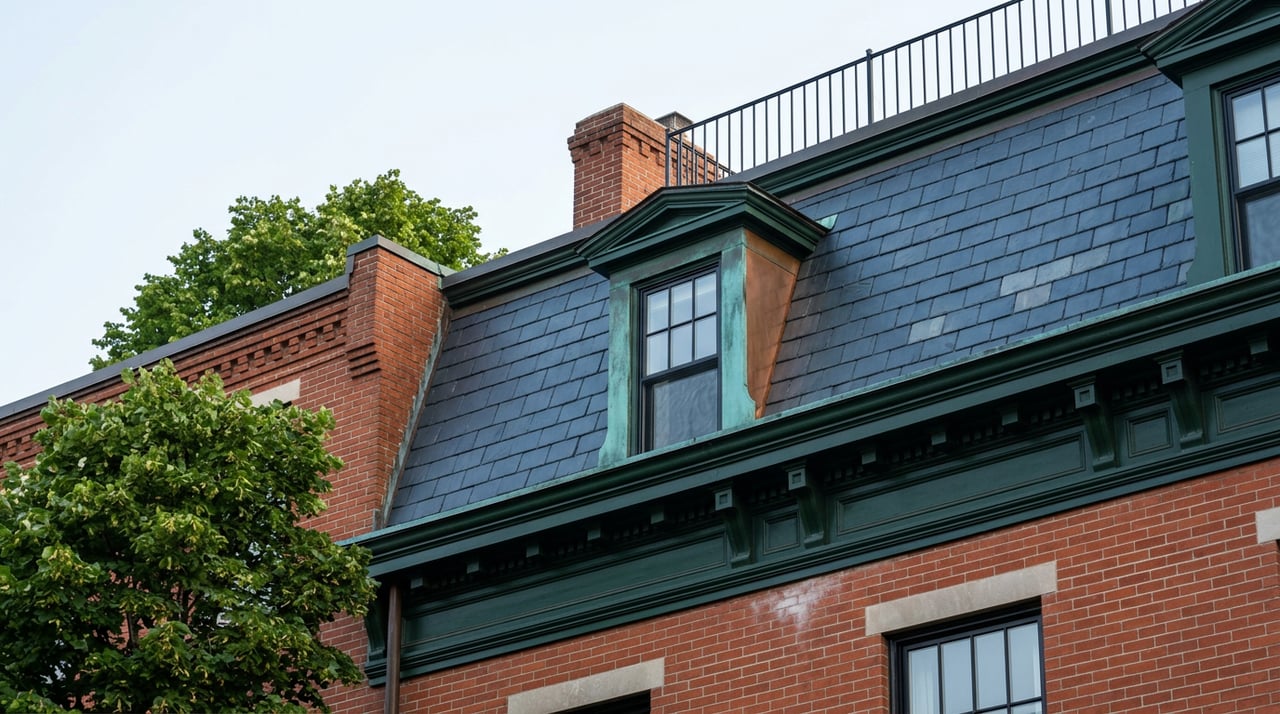
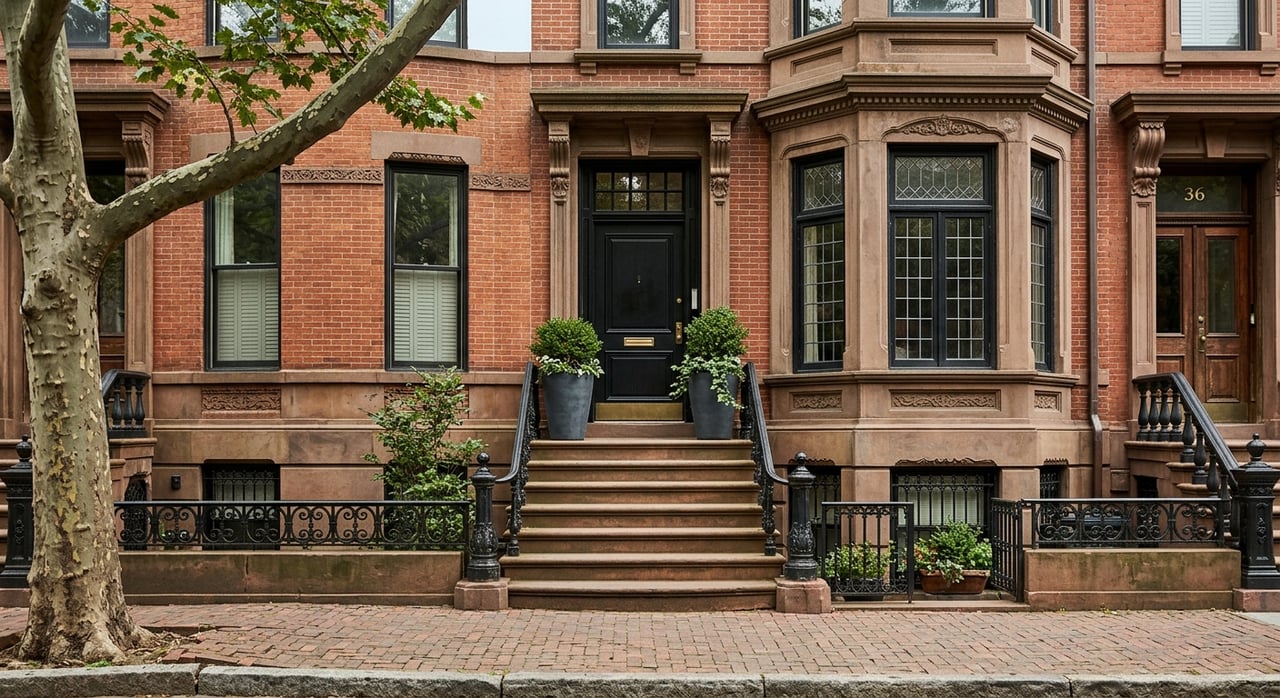
In a typical market, rising inventory usually means builders responded to demand. In the South End, that response is almost structurally impossible. The neighborhood sits inside the South End Landmark District, designated in 1983 by the City of Boston and overseen by the South End Landmark District Commission, a body that reviews exterior work on the rowhouses that make up most of the neighborhood's housing stock. The commission meets on the first Tuesday of every month, and any application has to be certified complete at least 15 business days before that hearing or it does not make the agenda. Once a project is approved, the Certificate of Appropriateness is only good for two years.
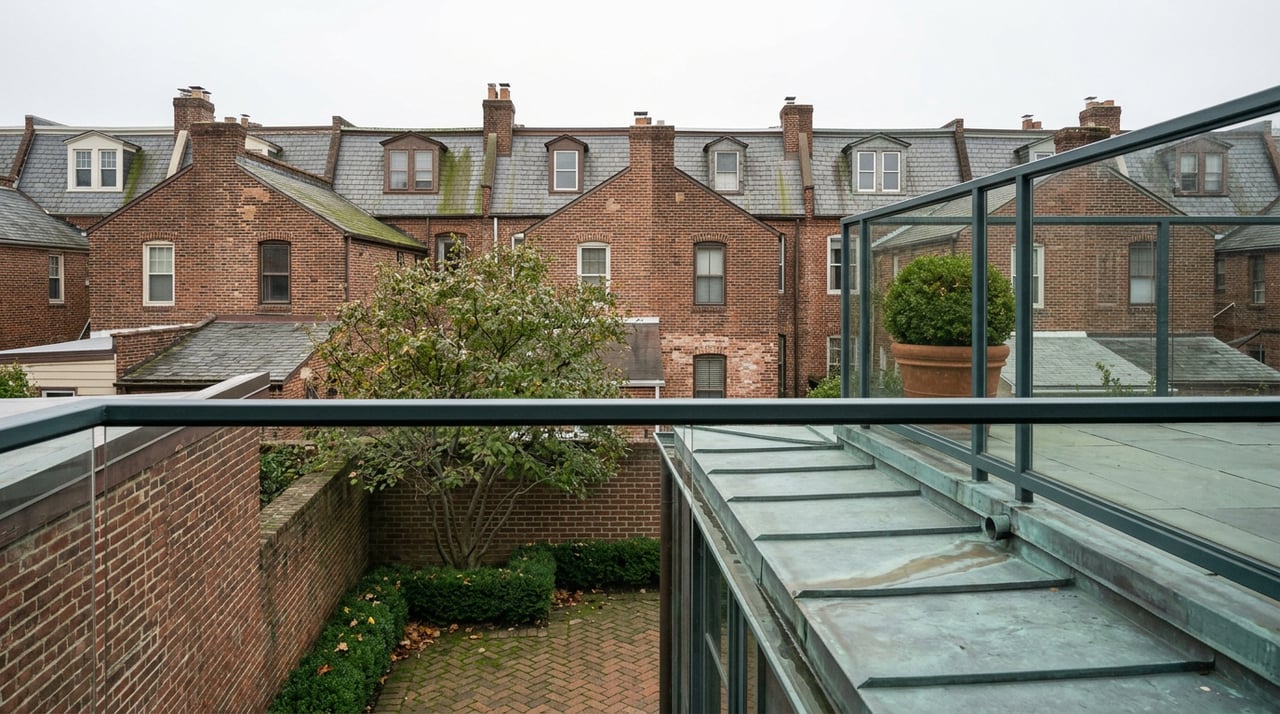
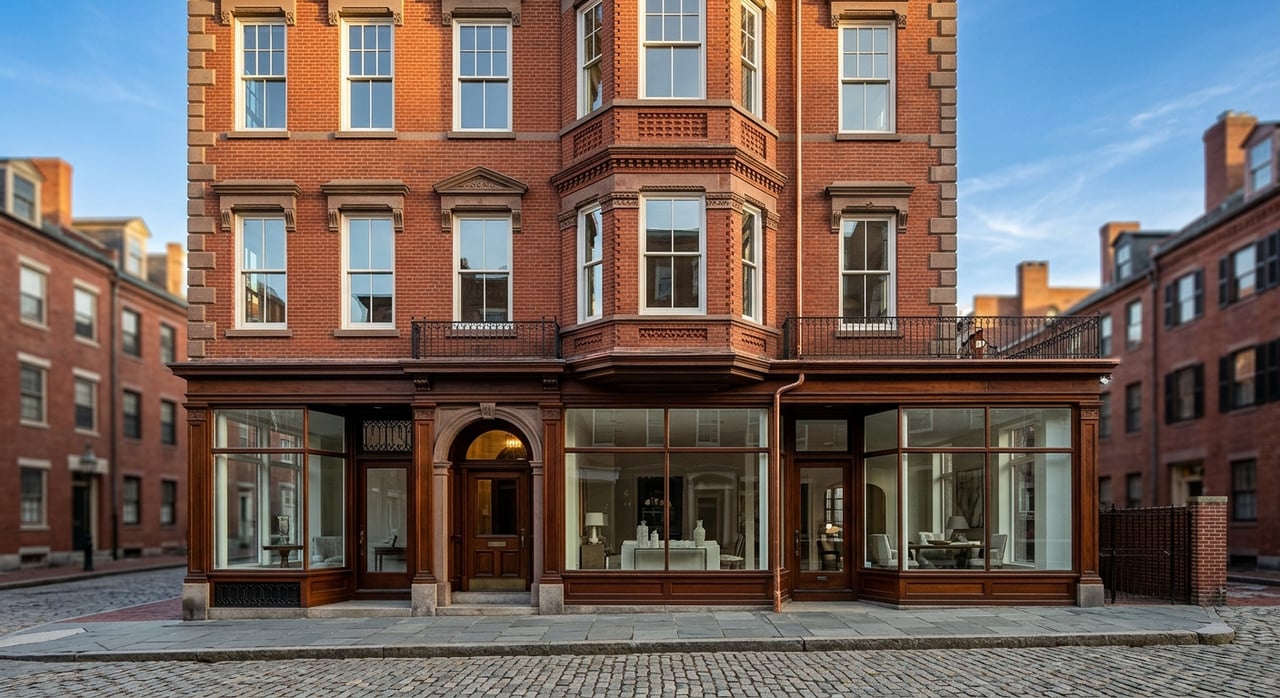
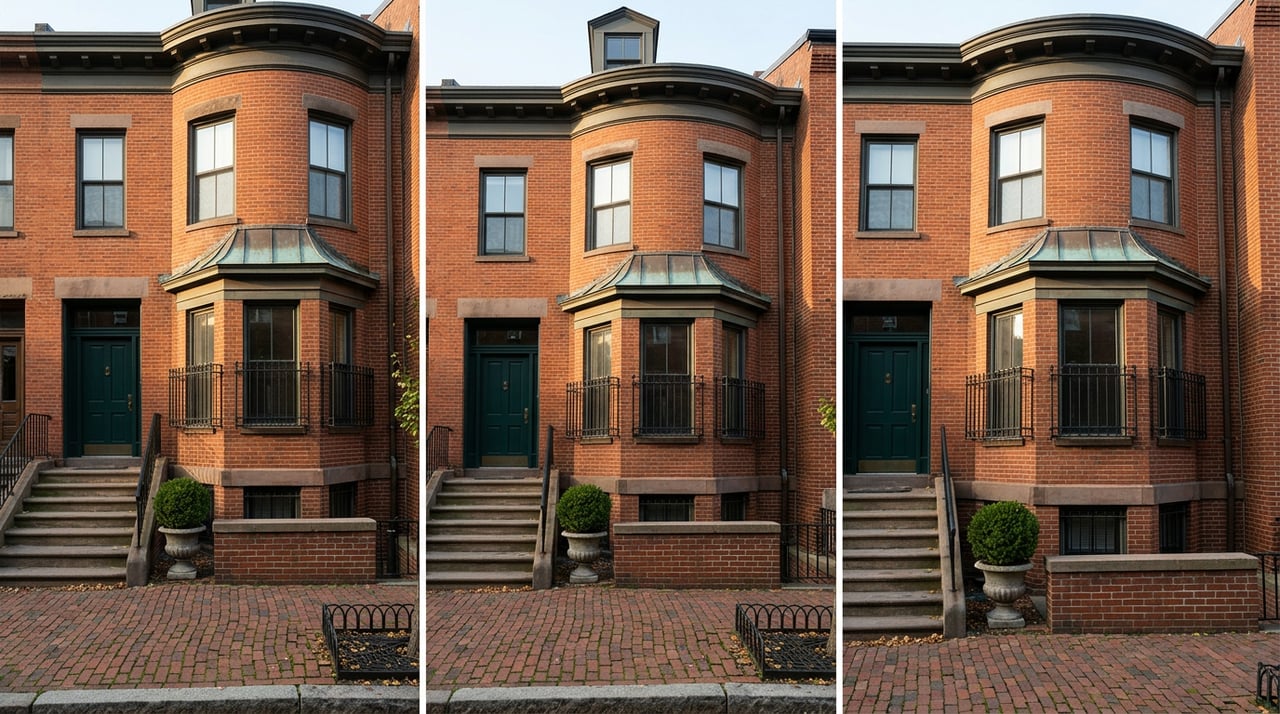
That review covers more than additions. Roof replacements, window repairs, masonry repointing, and rear-facing changes on the many rowhouses built in long uniform rows starting around 1850 all pass through the same process. It is a system built to protect a streetscape, not to accelerate housing supply, and it means new construction cannot simply be dropped in to meet demand the way it can in less regulated parts of Boston.
So where is the extra inventory coming from? Existing owners deciding to sell, not new units entering the neighborhood. That distinction matters more than it sounds like it should. A market flooded with new construction usually means builders overshot demand, which tends to soften pricing. A market where inventory rises because current owners are choosing to sell, while the physical stock of homes stays essentially fixed, is a market where buyers get more to look at without gaining much leverage on price. The South End in 2026 is the second kind.
The Two South Ends Buyers Are Actually Choosing Between
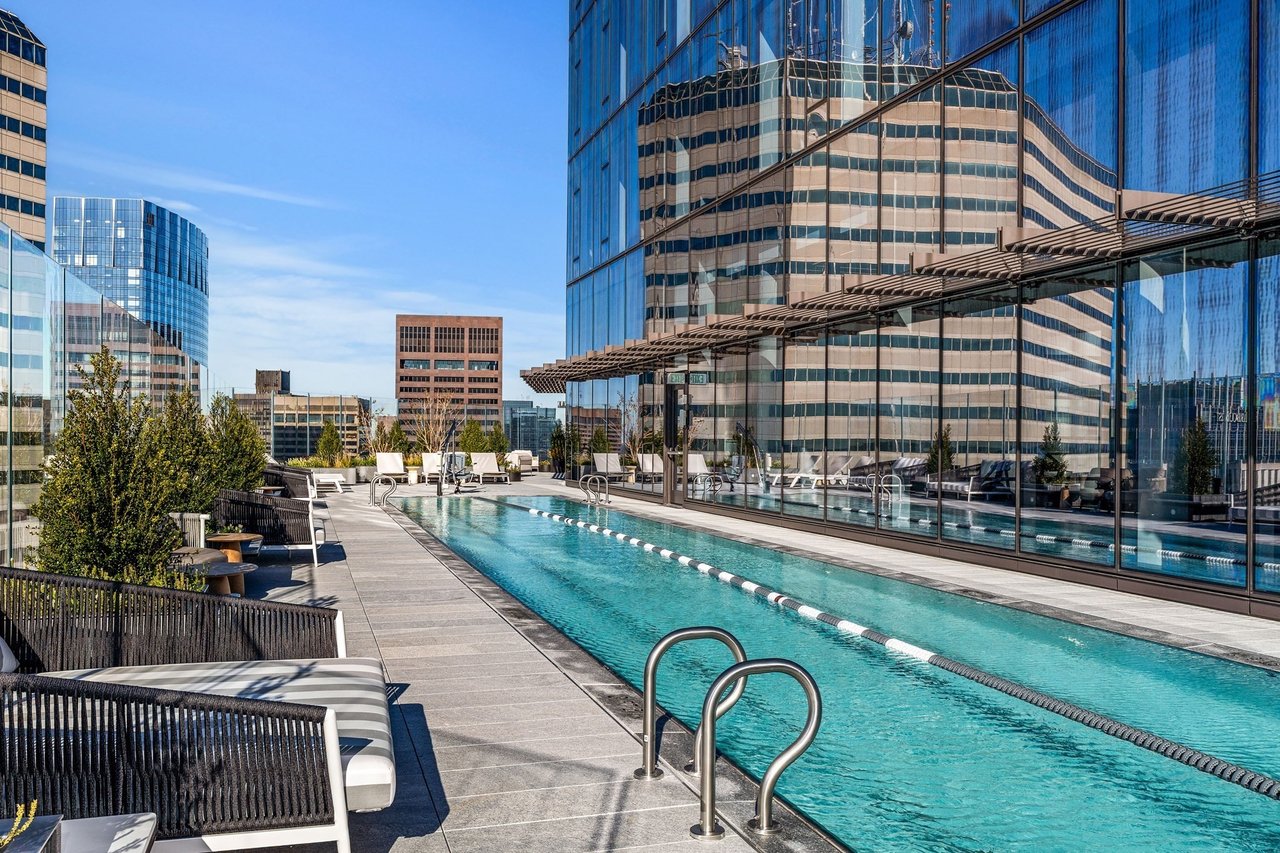
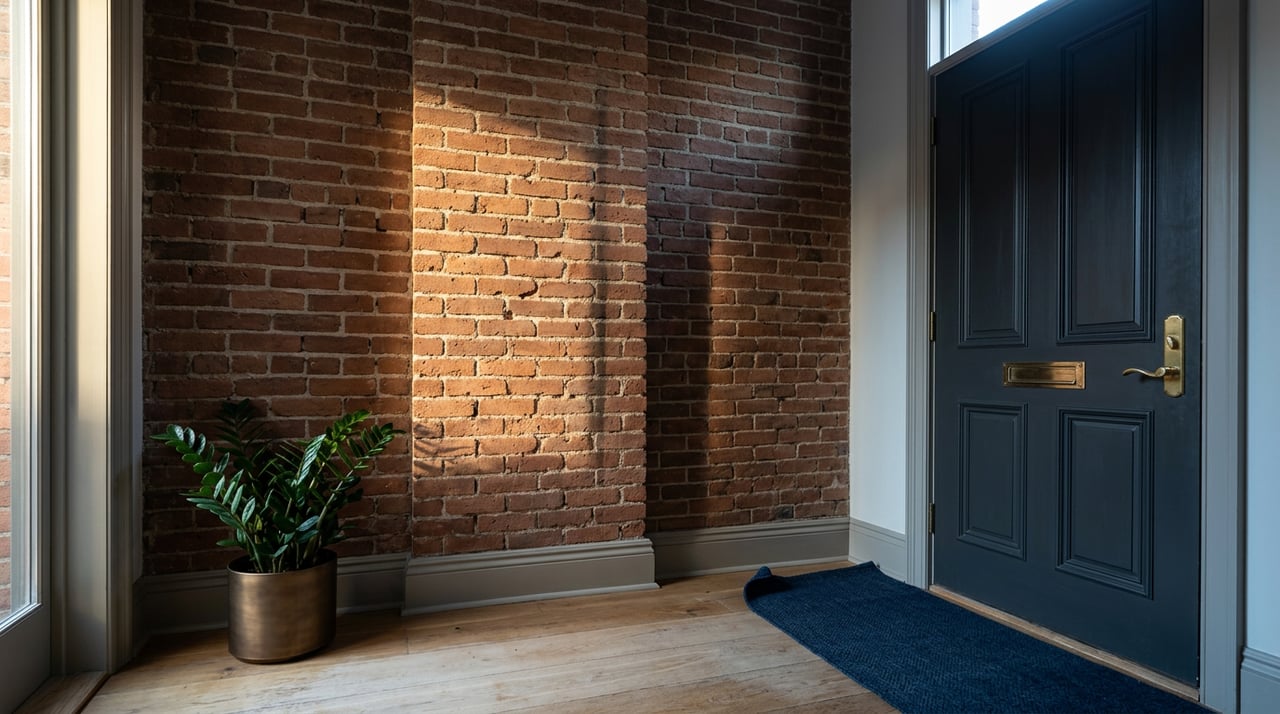
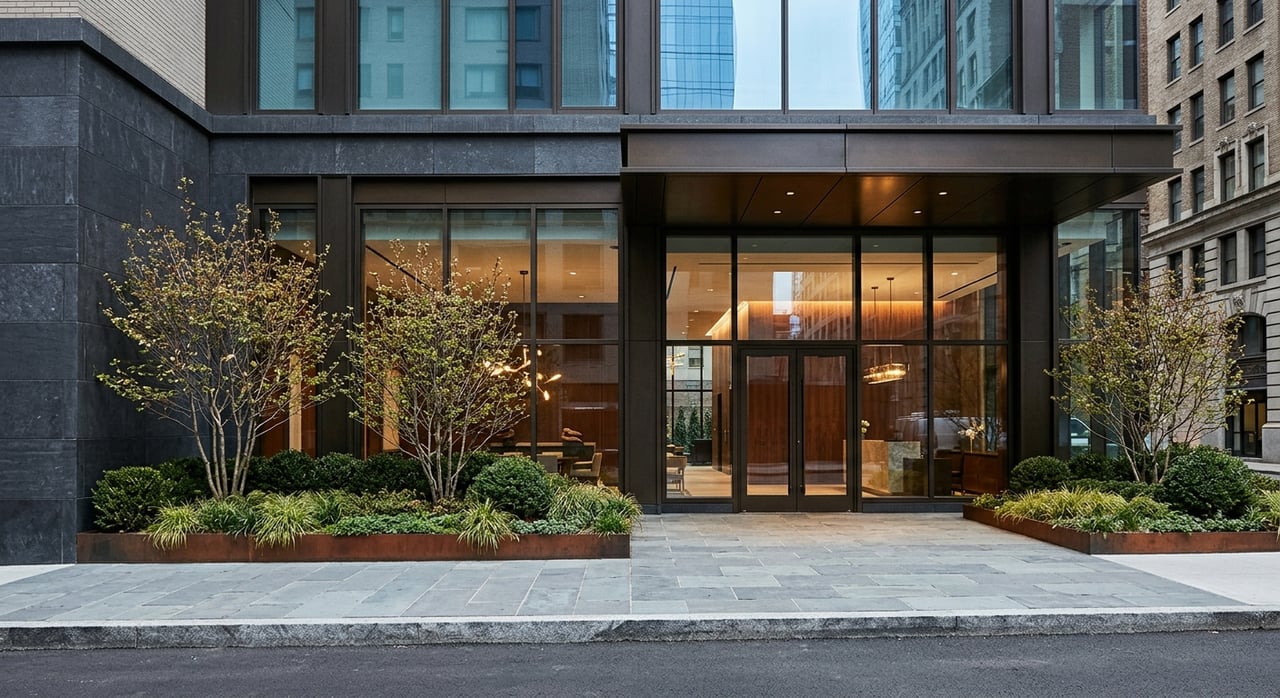
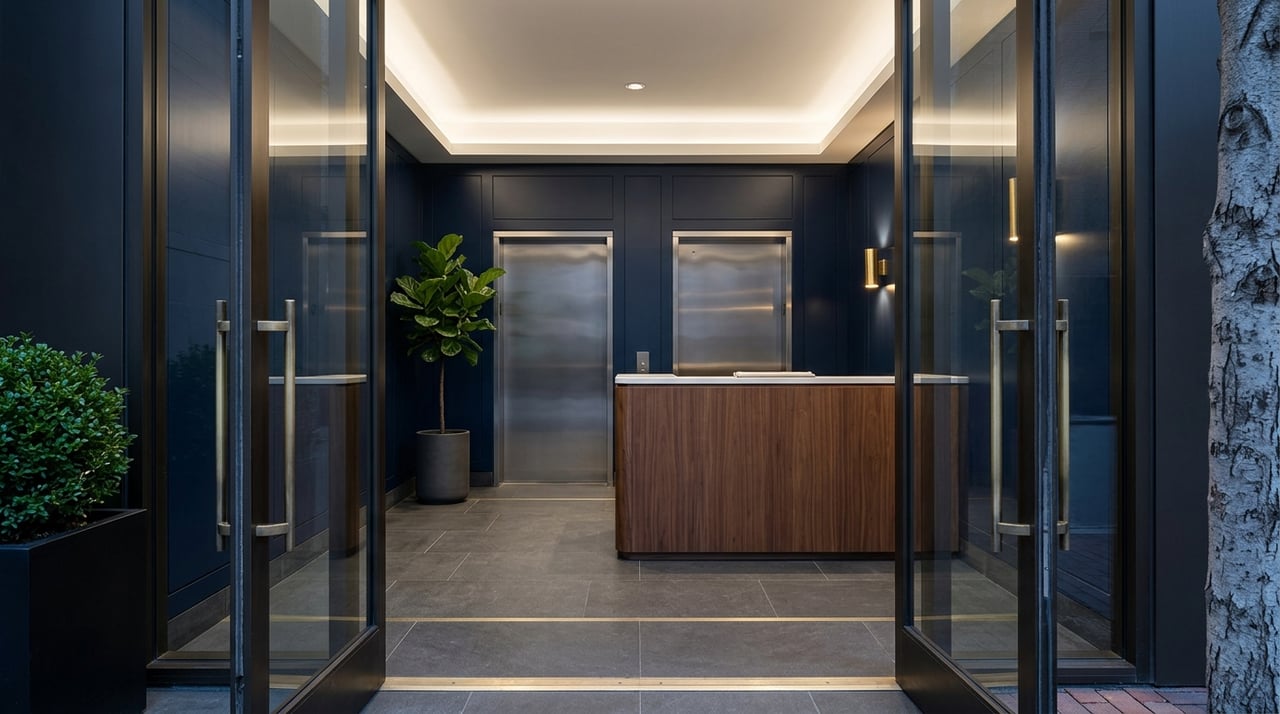
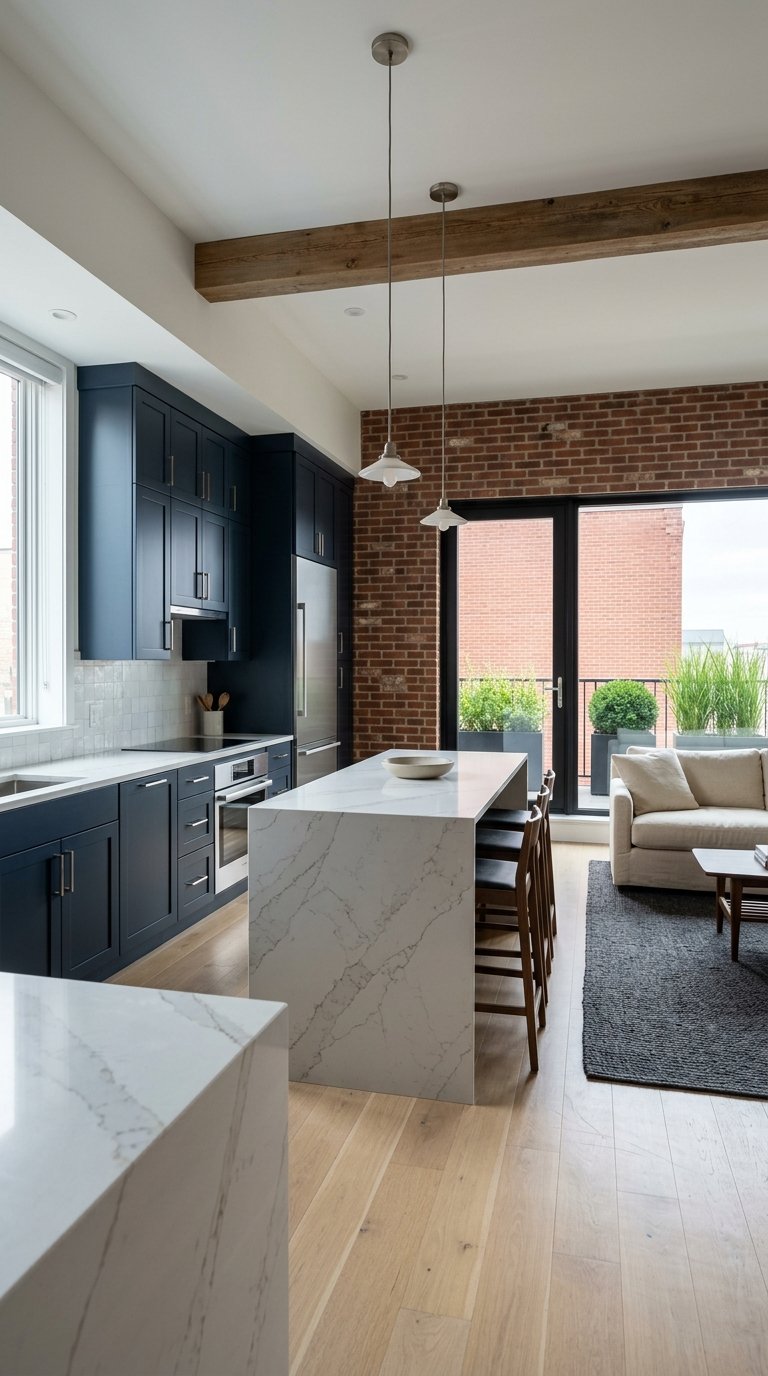
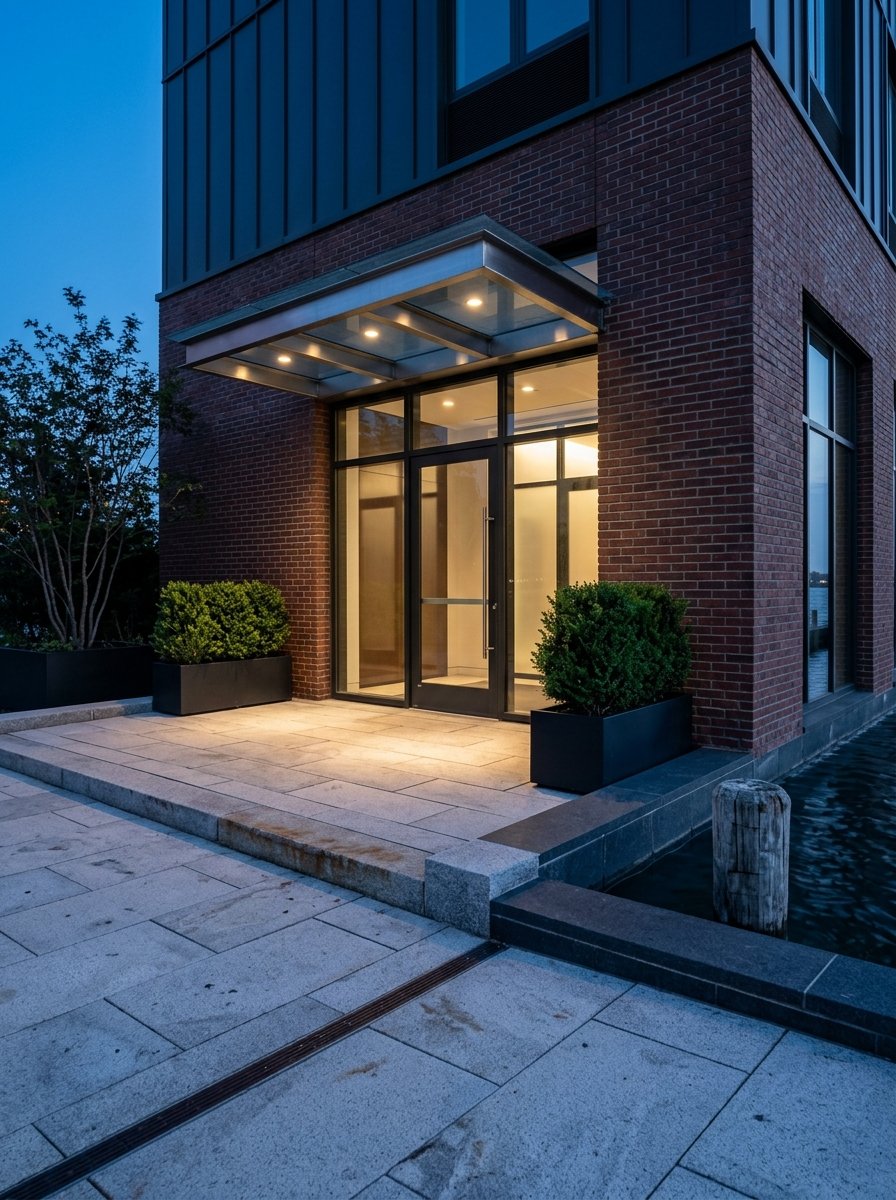
The neighborhood's median numbers flatten a real divide in what buyers are actually purchasing. On one side are renovated brownstone conversions, the classic South End product: three or four stories above a garden level, high parlor ceilings, and a facade governed by the landmark rules above. These units tend to trade below the neighborhood's overall average of $1,220 per square foot recorded over the three months ending in May 2026. On the other side are newer full-service buildings such as The Quinn, Sepia, Siena, and Ink Block, where top units have traded well above that neighborhood average, commonly in the $1,200 to $1,700 per square foot band.
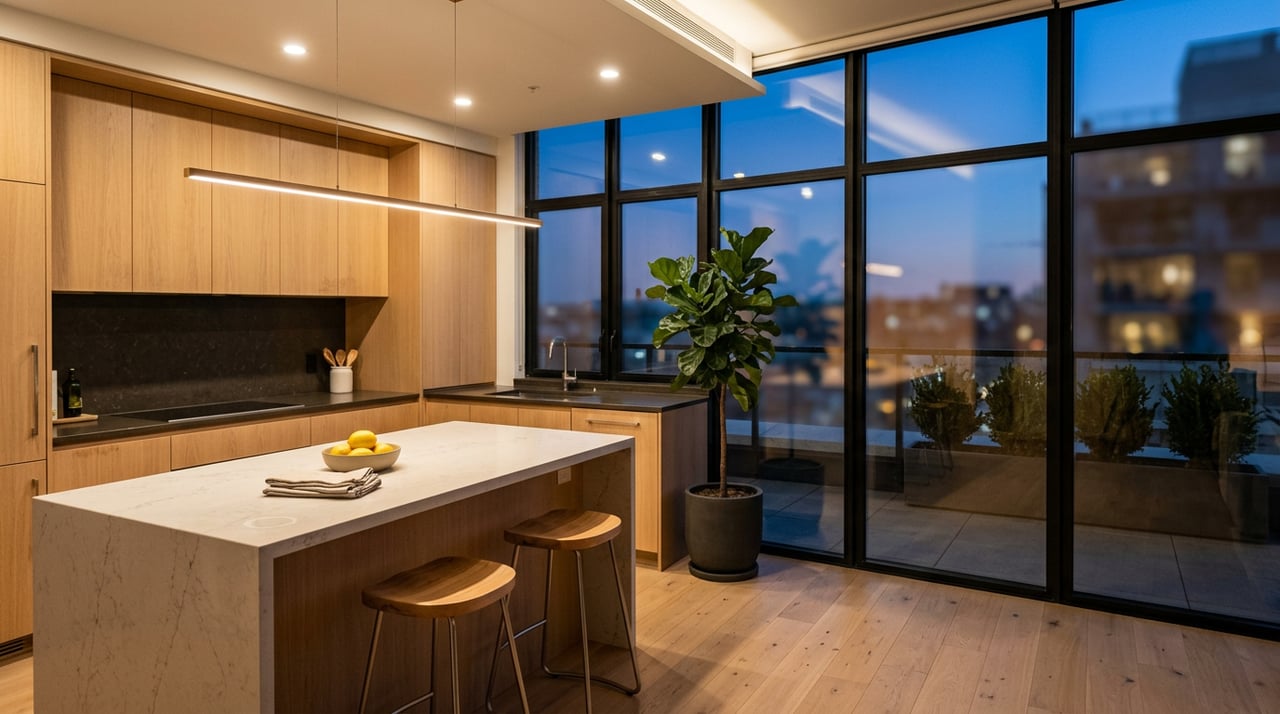
That gap is not just finish level. Buildings like Ink Block or Siena were built with garage parking, elevators, and centralized systems from day one, so buyers pay for lower-friction ownership. A brownstone conversion, by contrast, was often carved out of a single-family rowhouse decades after it was built, which means the association is managing a shared boiler or roof designed for a different era, under a reserve fund that may or may not have kept pace. PropFusion's guide to Massachusetts reserve study requirements says that Massachusetts law requires every condominium association to maintain an adequate replacement reserve fund, but the statute does not define adequate in dollars. Two units at the same price point, in two different buildings, can carry very different exposure to a special assessment depending on how seriously that reserve has been funded.
At the very top of the market, a single trophy sale can still reset expectations for a season. A Union Park brownstone closed at $12.1 million in 2023, and that sale still anchors how buyers and sellers think about the neighborhood's ceiling, even though it says almost nothing about what a typical two-bedroom conversion will fetch three blocks away.
| Older Rowhouse Conversion | Newer Full-Service Building | |
|---|---|---|
| Typical price per square foot | below the $1,220 neighborhood average | often $1,200 to $1,700 |
| Landmark District exposure | high, most exterior work reviewed | lower, built under current code |
| Reserve fund profile | varies widely by building | typically larger, professionally managed |
| What you are paying for | period detail, private entrances, character | parking, elevators, predictable systems |
The South End does not have a single market. It has a landmarked core that cannot expand and a handful of newer buildings competing for the same buyers on completely different terms. Anyone quoting you one median price for the whole neighborhood is skipping the part that actually determines your budget.
What This Means If You Are Selling This Fall
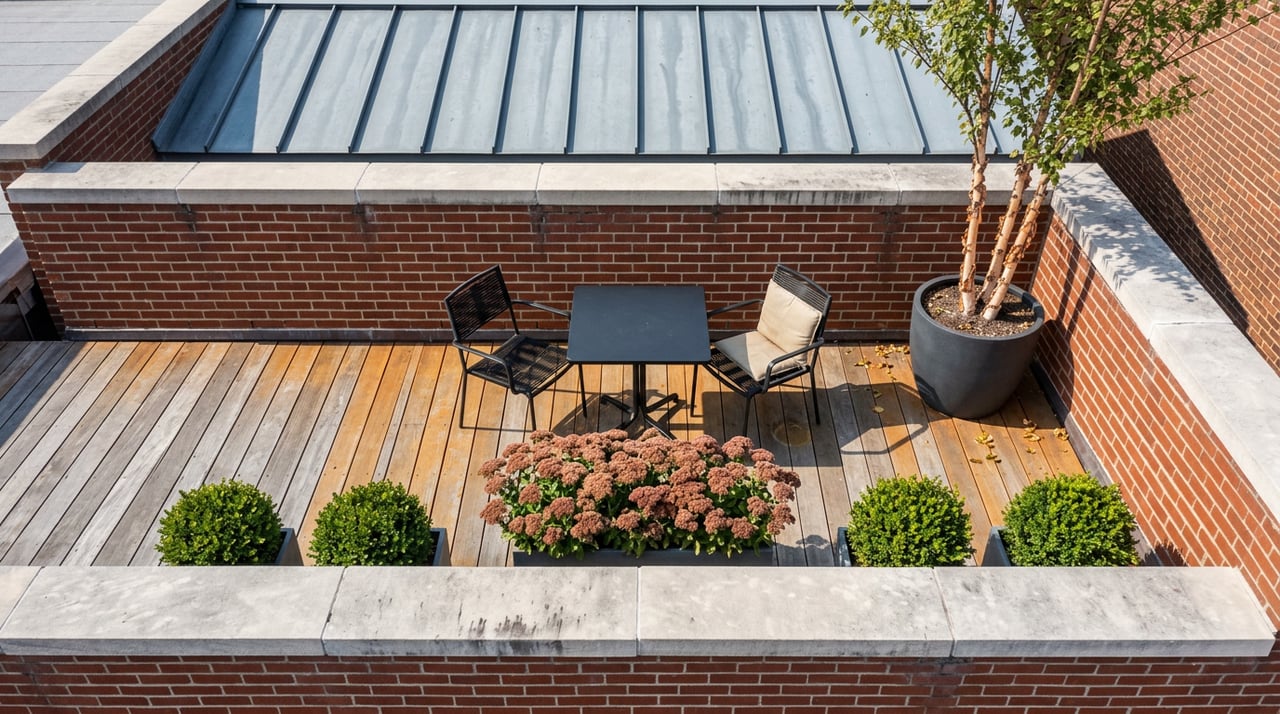
The structural scarcity that keeps South End prices firm cuts both ways for sellers. It protects your pricing power, but it also means the same landmark review that limits competing new supply will govern your own renovation timeline if your home needs exterior work before it goes on the market. Roof repairs, masonry repointing, window replacement, even a rear deck facing a public way, all fall under the same monthly hearing cycle and the same 15-business-day completeness rule. Build that lead time into your listing calendar now, not after a contractor tells you the project needs sign-off you did not budget weeks for.
If your building is a condo conversion, pull the reserve fund balance, the last two years of meeting minutes, and any record of special assessments before you set a list price. Buyers comparing your unit to a full-service building down the street will notice if your association's financial picture looks thin, and a seller who can show a healthy reserve and a clean maintenance record is negotiating from a stronger position than one who cannot.
What This Means If You Are Buying
More listings do not hand you leverage here the way they might elsewhere in Boston. What they do give you is more room to be selective about which South End you are actually buying into. If character, private entrances, and period detail matter more to you than a lower-friction ownership experience, a rowhouse conversion priced below the neighborhood's $1,220 per square foot average may be the better use of your budget than stretching for a full-service building. If you travel often or simply want fewer building-management surprises, the premium for elevators, garage parking, and a professionally managed reserve at a building like Siena or Ink Block may be worth paying.
Either way, do not let a single headline median guide your offer. Ask for the reserve study, ask about landmark status if you are picturing any exterior change down the road, and compare your target unit against recent sales in the same product tier, not the neighborhood as a whole.
Frequently Asked Questions
Does rising inventory in the South End mean I can negotiate harder on price? Not automatically. Inventory has climbed because more current owners are listing, not because new supply has entered the market. List-to-sale ratios have stayed near 97 to 98 percent even as inventory rose, which points to demand absorbing the extra listings rather than buyers gaining broad pricing leverage.
Why do two South End condos at a similar price look so different? Product type. A renovated brownstone conversion and a unit in a newer full-service building can sit at similar price points while offering very different ownership experiences, from parking and elevator access to how the association funds its reserves.
Does the South End Landmark District affect a purchase I am not planning to renovate? It can still matter for resale. Any future buyer who wants to change a visible exterior feature will face the same review process, so understanding the building's landmark status now avoids surprises later, whether you are the one renovating or the one selling to someone who wants to.
How fast are South End condos actually selling right now? It depends on which slice of inventory you look at. Recently closed sales have moved in a matter of weeks, while the pool of currently active listings has been sitting longer on average, a gap that reflects overpriced or dated inventory competing against well-prepared, well-priced homes.
Whether you are weighing a brownstone conversion against a full-service building or trying to time a listing around the neighborhood's approval calendar, the numbers behind the South End rarely tell the whole story on their own. The David Green Group works this market block by block and building by building. Contact Us to talk through what the current data actually means for your specific plans.
This article is general information, not legal, tax or financial advice. Consult a qualified professional about your situation.