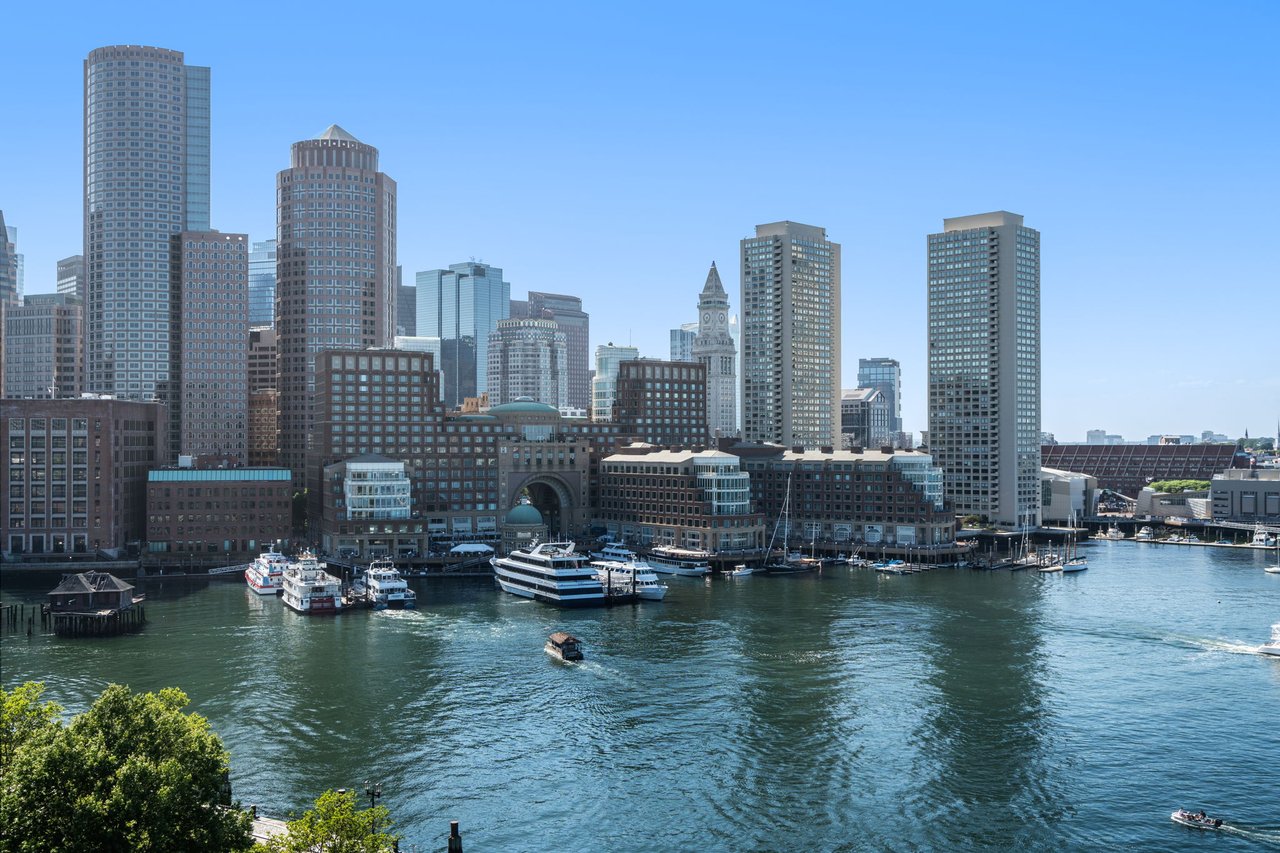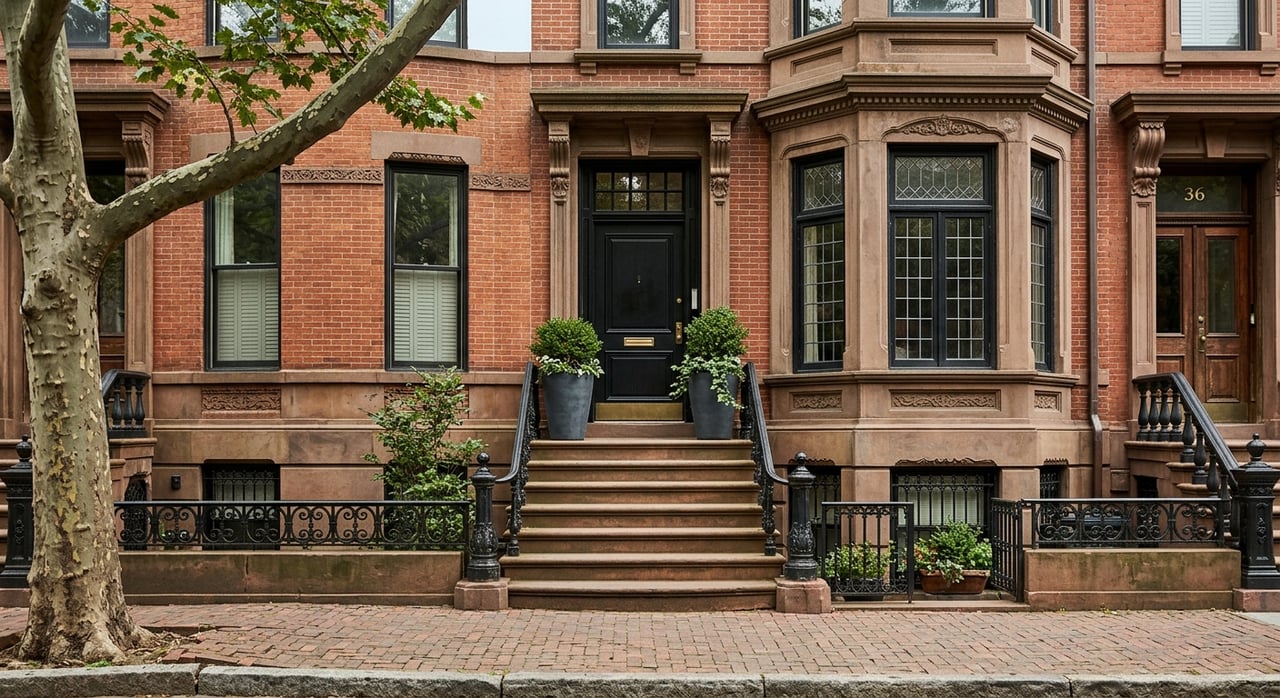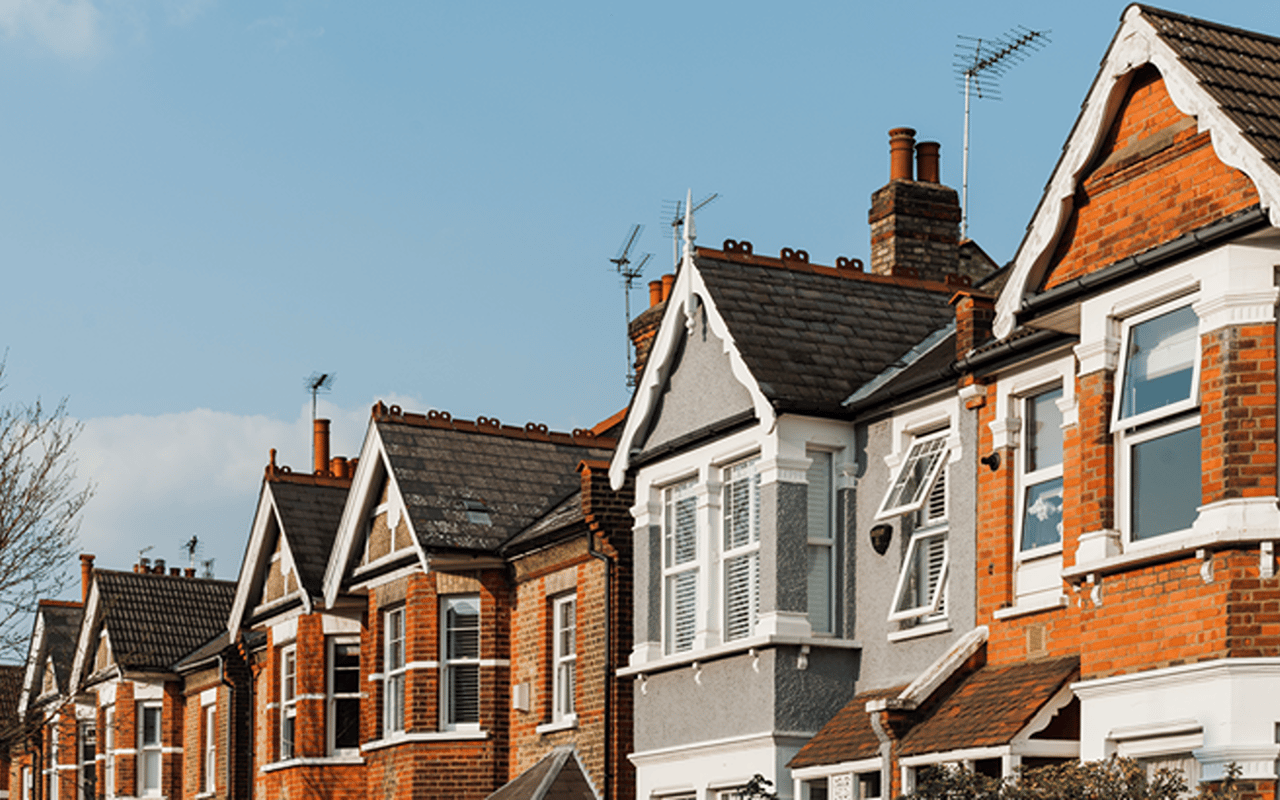
Charlestown is one of the oldest settled places in Boston, home to the Bunker Hill Monument, the USS Constitution, and rowhouses that predate most of the city around them. The City of Boston lists ten local historic districts, none in Charlestown. The Boston Preservation Alliance notes that Beacon Hill was the city's first, back in 1955.
According to the City of Boston, a petition filed with the Boston Landmarks Commission in 2022 set off a process that is still working its way toward a vote. If you are comparing Charlestown to other Boston neighborhoods right now, keep that pending process in mind alongside the median price you have already seen.
Building differences buyers may miss
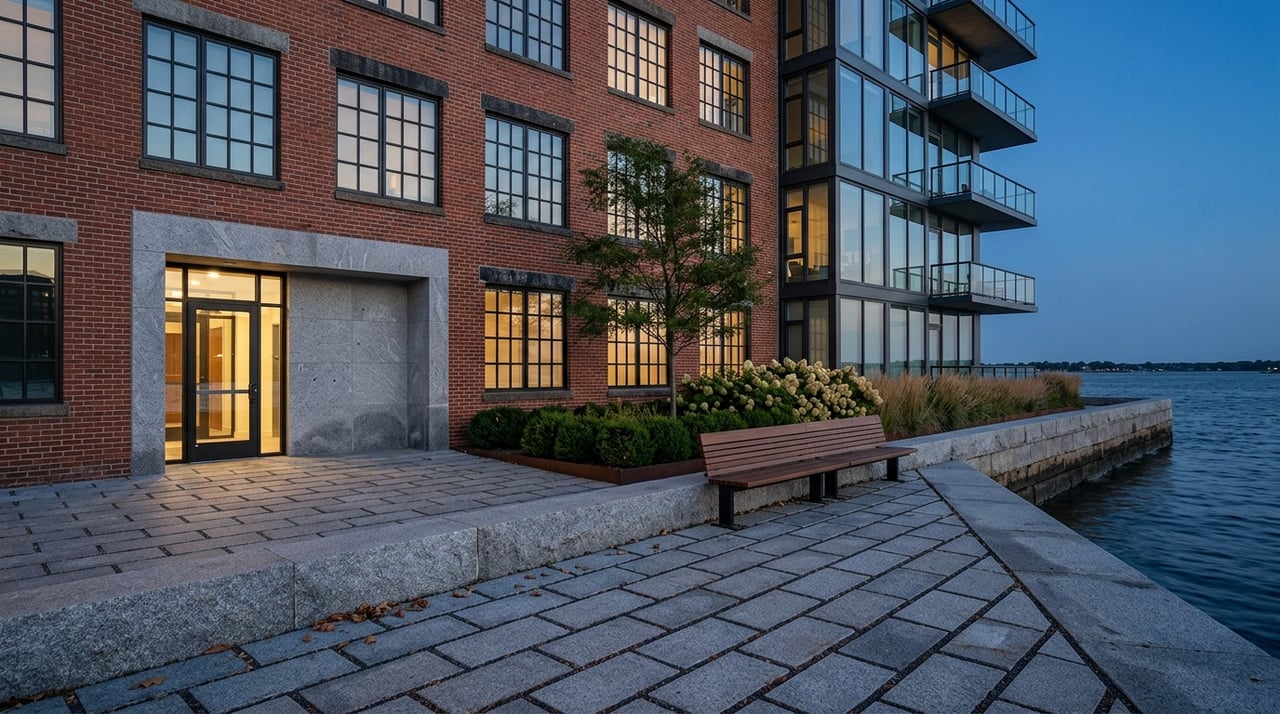
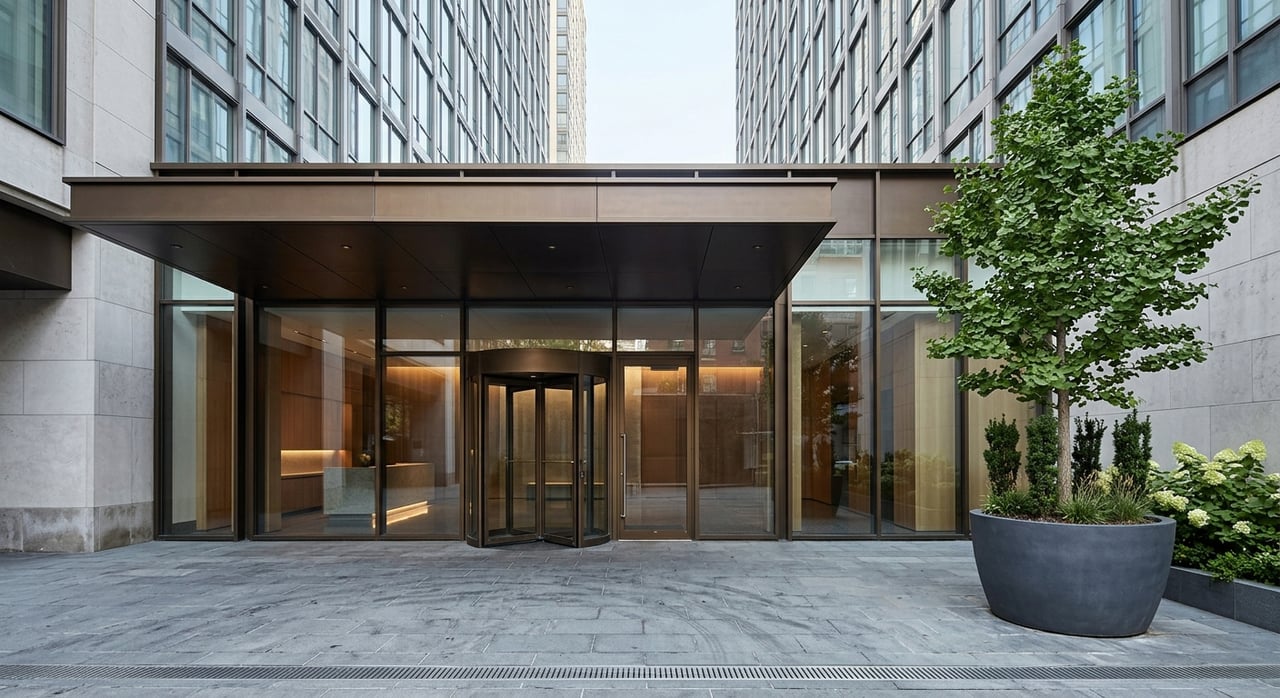
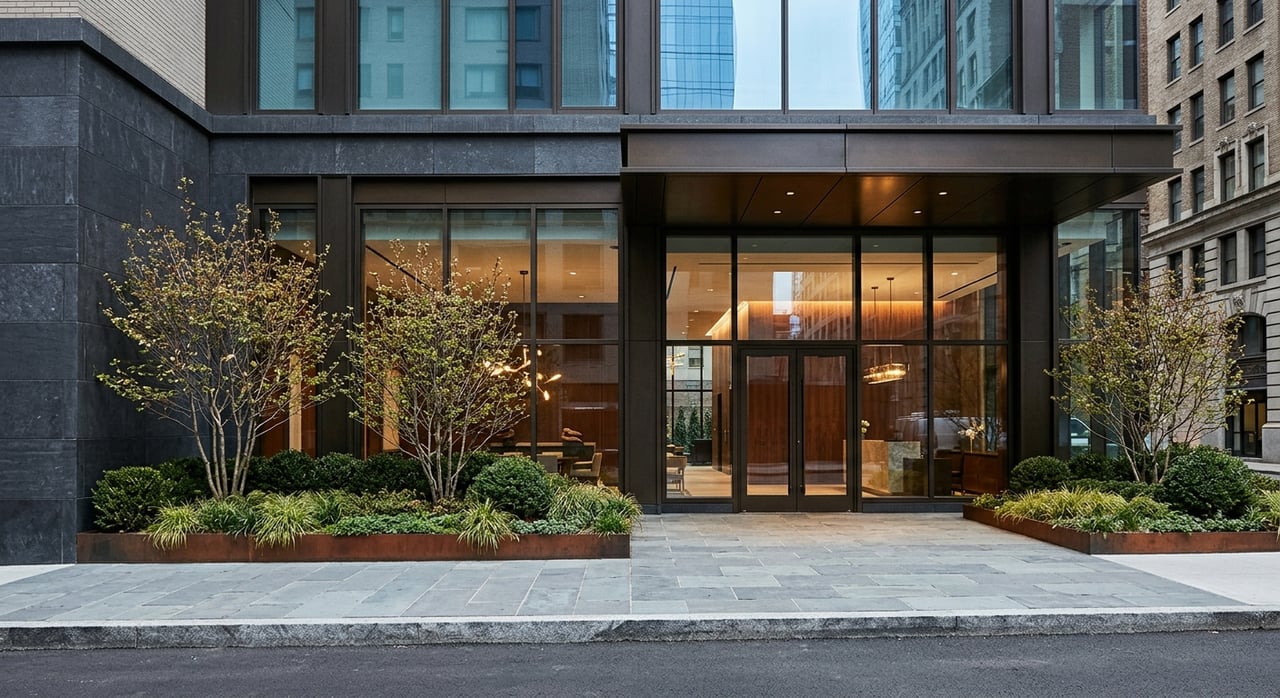
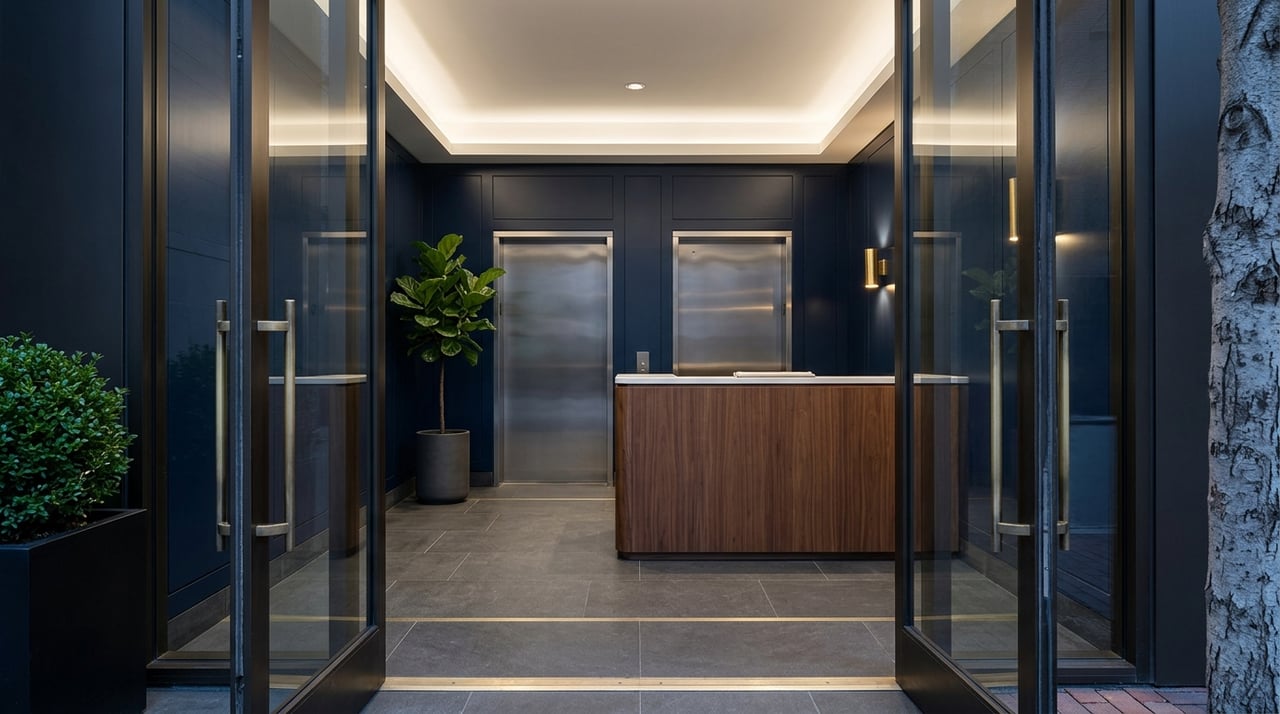
Building-specific details show up in ordinary amenities. The Flagship Wharf website describes an 11-story, 198-unit full-service building on 8th Street that allows in-unit washer and dryer machines. Parris Landing, its neighbor on the same street, has shared laundry facilities on its floor instead. These building-specific amenity differences are separate from Monument Square's pending district.
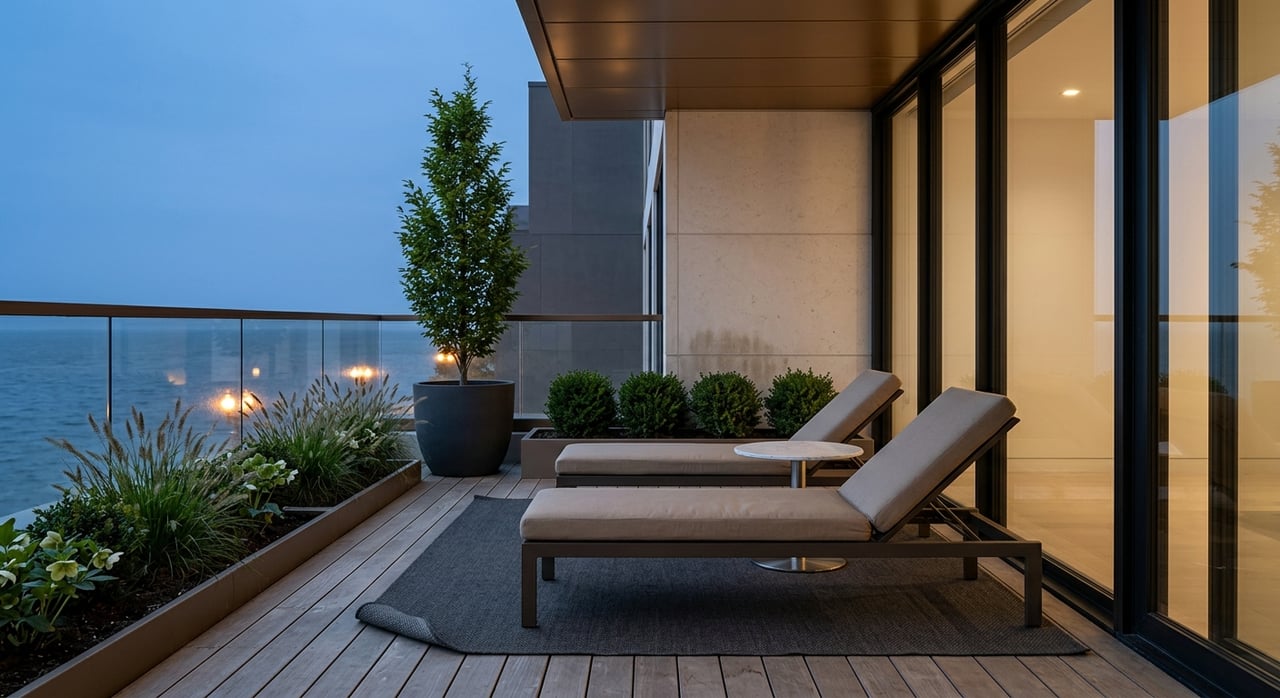
A few blocks away, Nautica, built around 2000 at the edge of the Navy Yard in the newer development corridor, offers something rare in Boston: private decks and even backyards on some units, alongside in-unit laundry as a standard feature.
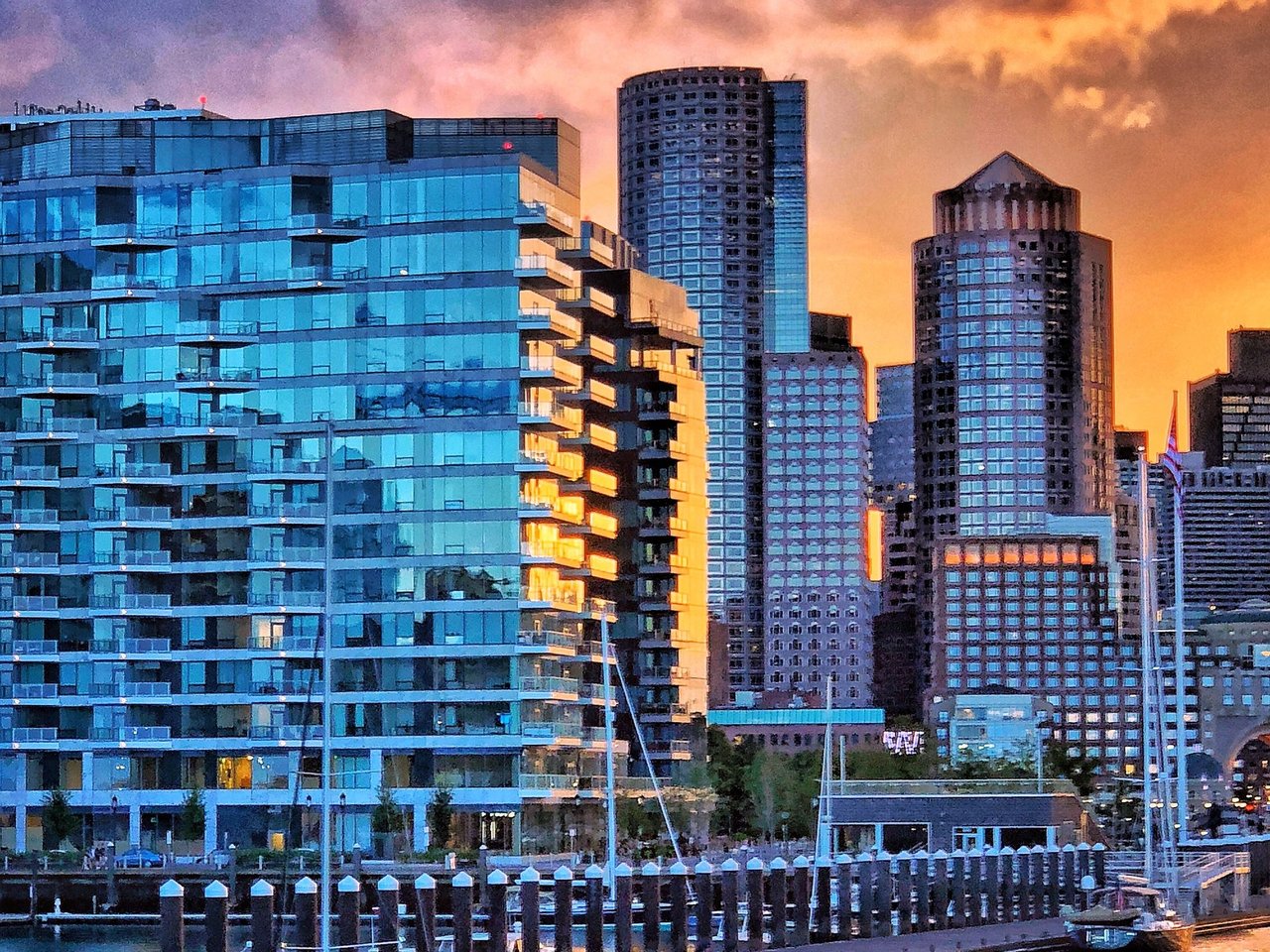
Three buildings, all inside the same half-mile of waterfront. None of it shows up in a listing's headline price.
The rule that does not exist yet
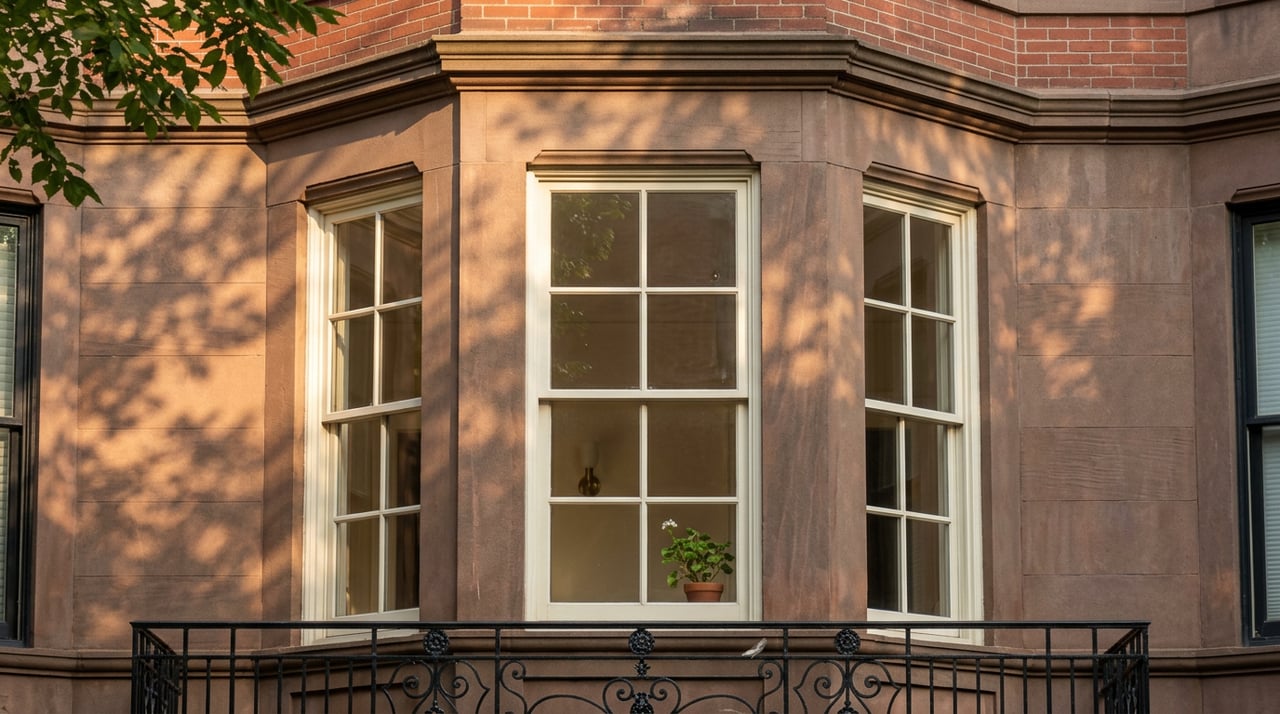
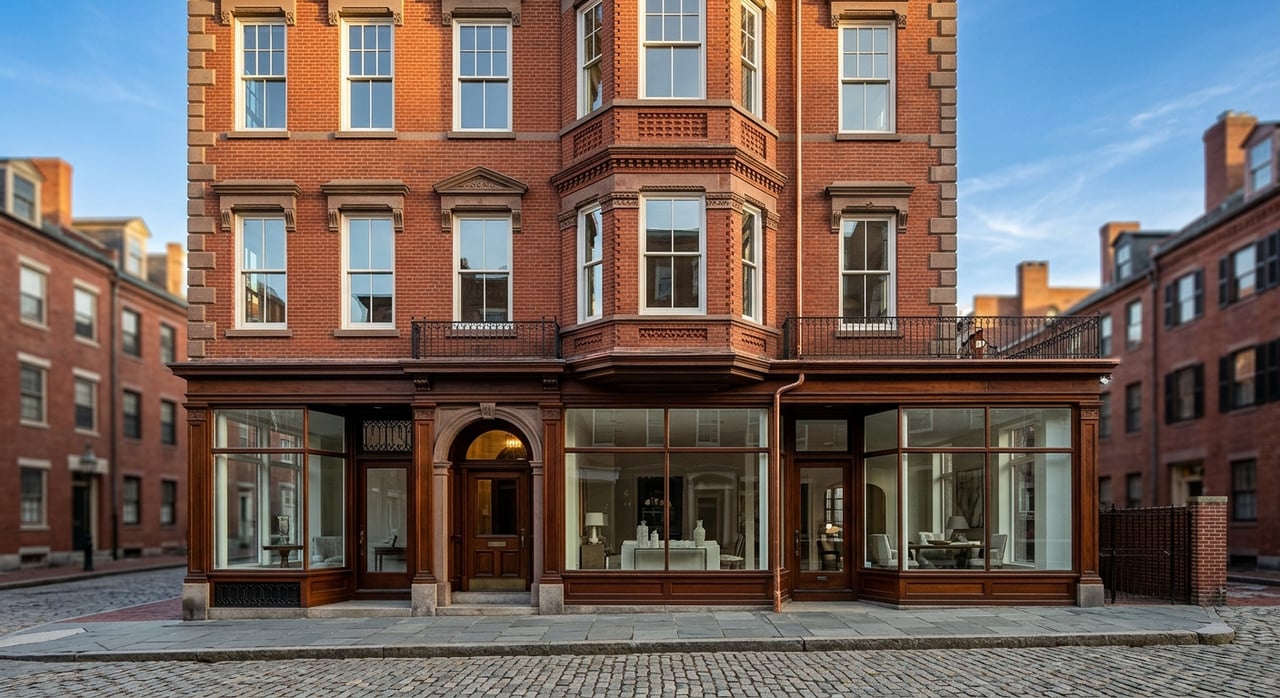
Now walk up the hill to Monument Square, the historic core surrounding the Bunker Hill Monument. On July 6, 2022, twenty-six registered voters petitioned the Boston Landmarks Commission to study the area for its own local historic district. The Commission agreed the neighborhood merited a closer look and formed the Monument Square Landmark District Study Committee, made up of Charlestown residents and Landmarks Commissioners.
The process from here is deliberately slow, by design. The Study Committee has to document the area's historic and architectural significance and propose boundaries. A draft study report goes out for sixty days of written public comment. A public hearing follows for verbal feedback, then the Commission holds a second hearing and takes a roll call vote. If it approves the district, the Mayor has fifteen days to act, and the City Council has thirty more after that.
As of the city's last published count, Boston has ten local historic districts, and none of them are in Charlestown. If Monument Square clears every remaining step, it becomes the eleventh, and the first the neighborhood has ever had.
What the price alone will not tell you
Charlestown's numbers this year already point to a tight market on their own. Condo sales year-to-date in 2026 averaged $1.04 million, up from $1.01 million over the same stretch a year earlier. Single-family homes averaged $1.97 million year-to-date, up from $1.77 million. Supply sits at roughly 2.4 months for condos and 3.8 months for single-family homes, both comfortably inside seller's-market territory. Homes are closing near 101 percent of list price, with condos taking about twenty days to reach an accepted offer and single-family homes about nineteen. As of August 2026, the median sale price across all home types in the neighborhood ran close to $1.18 million, up around 12 percent from a year before.
None of that tells you how the pending district study or building-specific amenities may figure into your decision. Here is how the micro-markets actually break down.
| Micro-market | Relevant detail | What it typically commands | The friction buyers miss |
|---|---|---|---|
| Monument Square, Mount Vernon Street, Warren Street | Pending study | $950-$1,150 per square foot when renovated with outdoor space or parking | Deeded parking alone can add $60,000-$150,000 depending on the street |
| Navy Yard (Flagship Wharf, Parris Landing, older conversions) | Laundry amenities vary by building | $1,100+ per square foot for updated units with harbor views | Building-specific amenities can differ even between neighboring buildings |
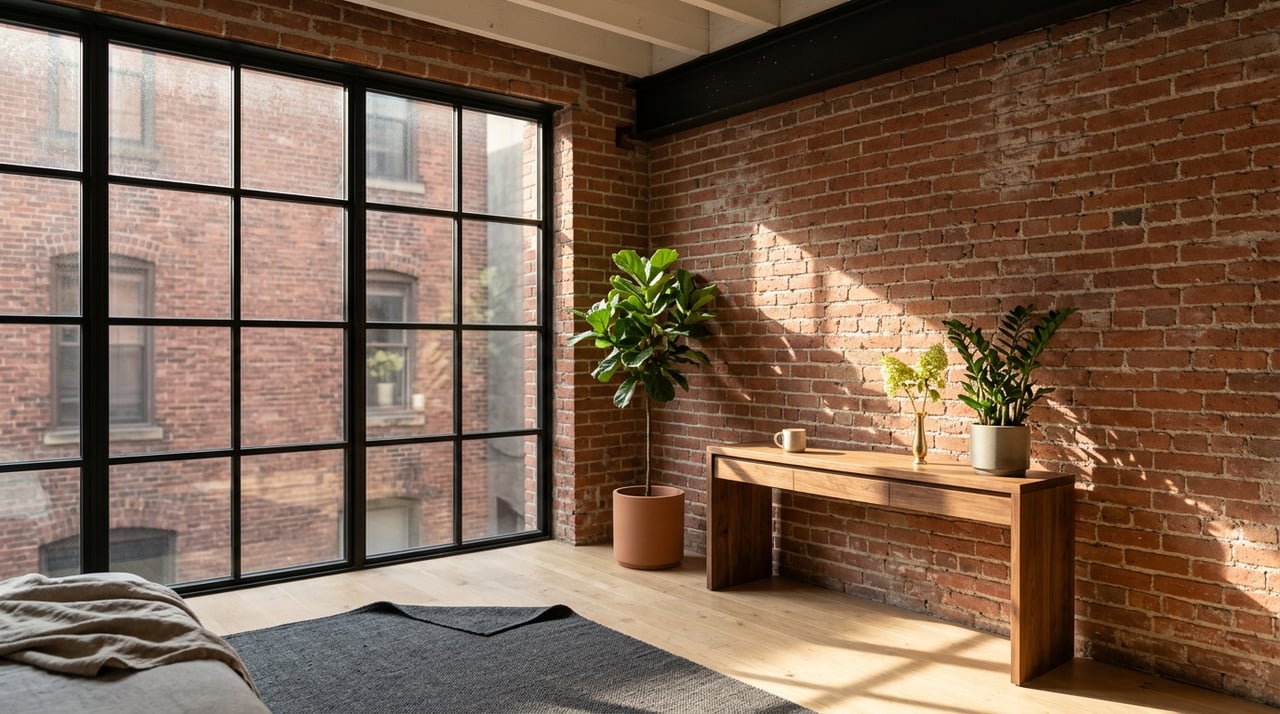
| Navy Yard (Nautica-era construction) | Nautica offers in-unit laundry; some units have private outdoor space | Competitive with waterfront pricing | Contemporary systems and layouts, but less of the brick-and-beam character buyers often want in Charlestown |
The price per square foot tells you what a renovated unit is worth today.
What this means if you are the one deciding
If you are drawn to a rowhouse near Monument Square with renovation plans already in mind, that does not mean rushing a project. It means having an honest conversation about your timeline before you make a decision.
If you are looking at the Navy Yard, ask about building-specific amenities like in-unit laundry before you assume anything. Two buildings sharing a street can have different amenities, and that difference has nothing to do with anything happening at Monument Square.
If you already own near Monument Square and have completed permitted work, that history is worth documenting as part of the property's story.
Frequently Asked Questions
Will my ability to renovate disappear overnight if Monument Square becomes a historic district? No single vote flips a switch overnight. The process includes a public comment period, additional hearings, and City Council review.
Should I try to renovate before the Monument Square district is finalized? That depends entirely on your property and your plans, and it is worth a direct conversation rather than a blanket answer.
Charlestown rewards buyers and sellers who understand these distinctions before they matter, not after. If you are weighing a purchase near Monument Square, comparing a Navy Yard conversion to new construction on the piers, or preparing to sell into a market this competitive, The David Green Group can walk through what your specific address is actually working with. Contact us to talk through your Charlestown plans.
This article is general information, not legal, tax or financial advice. Consult a qualified professional about your situation.