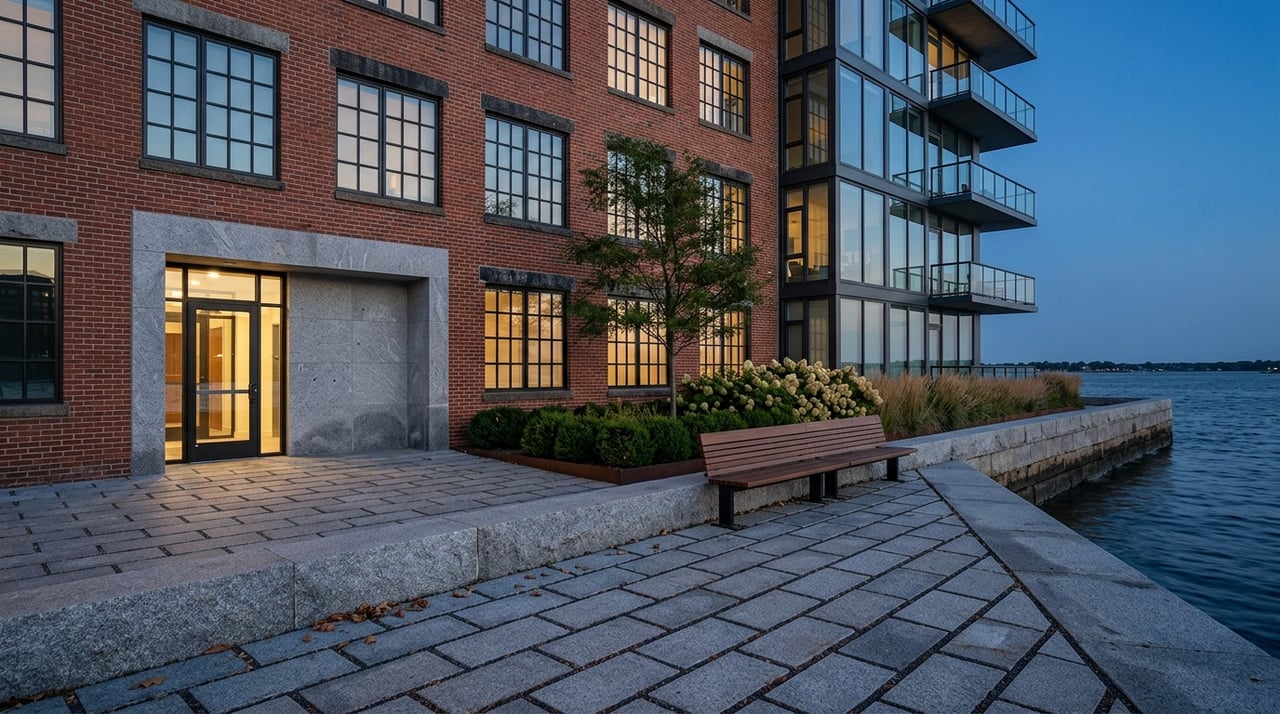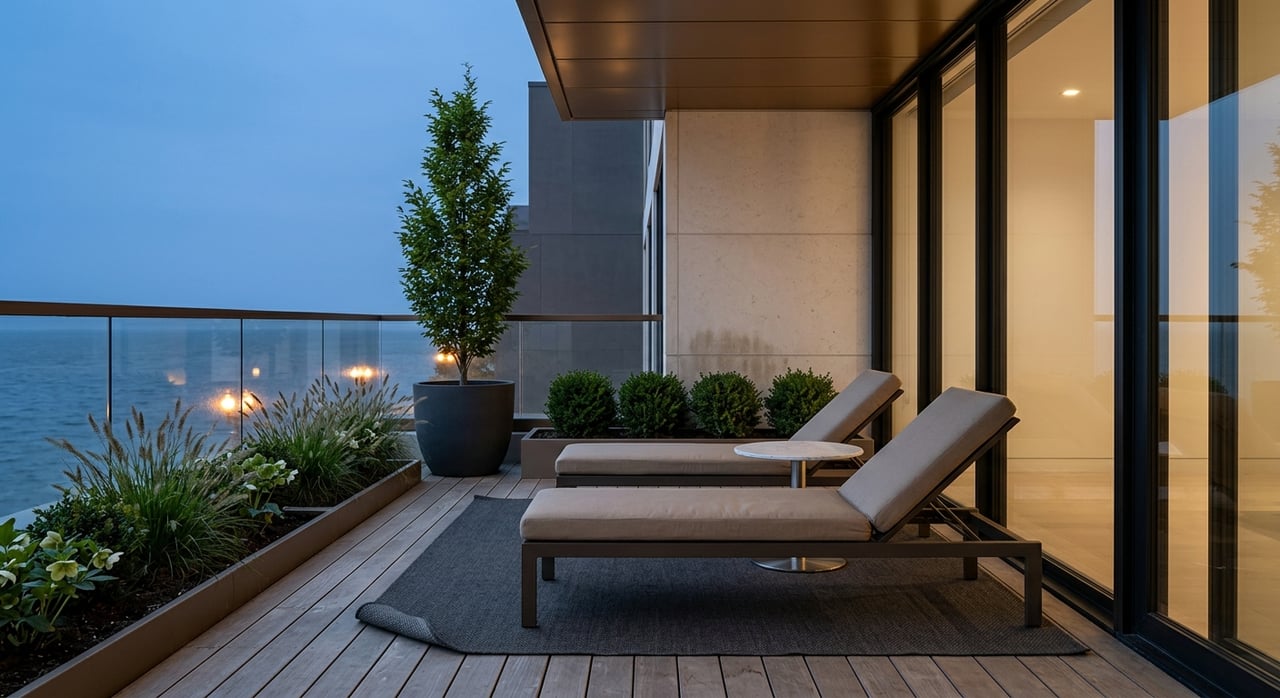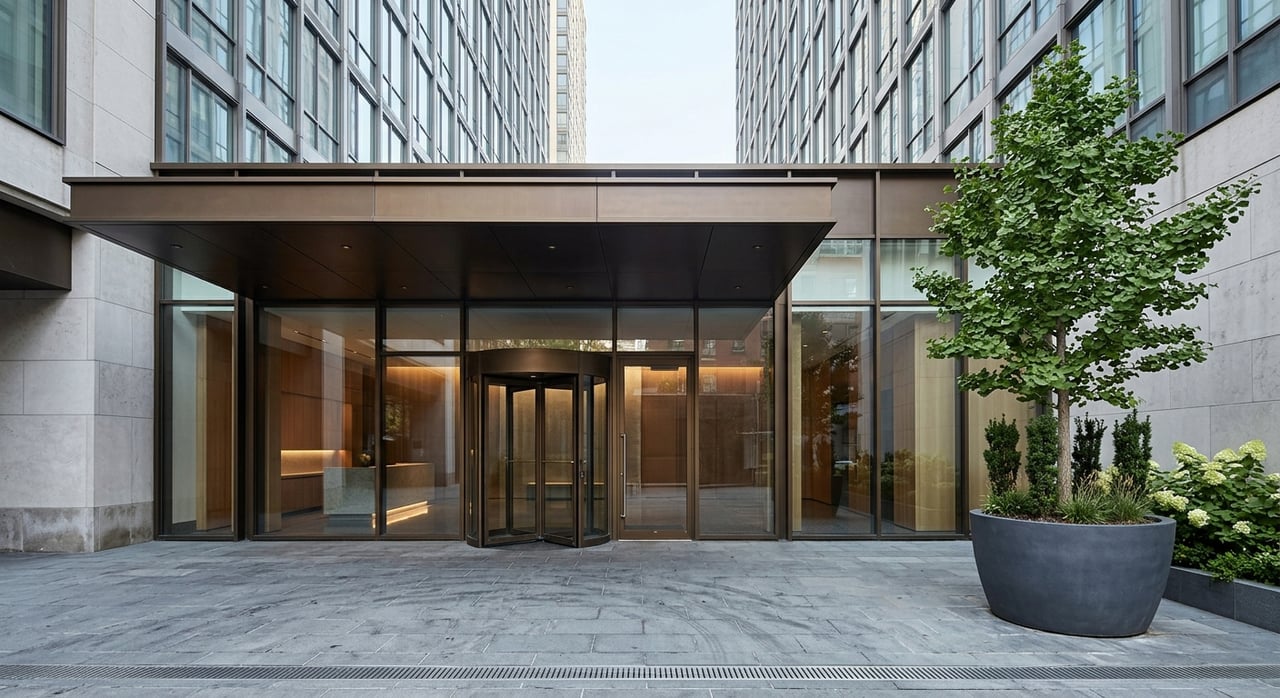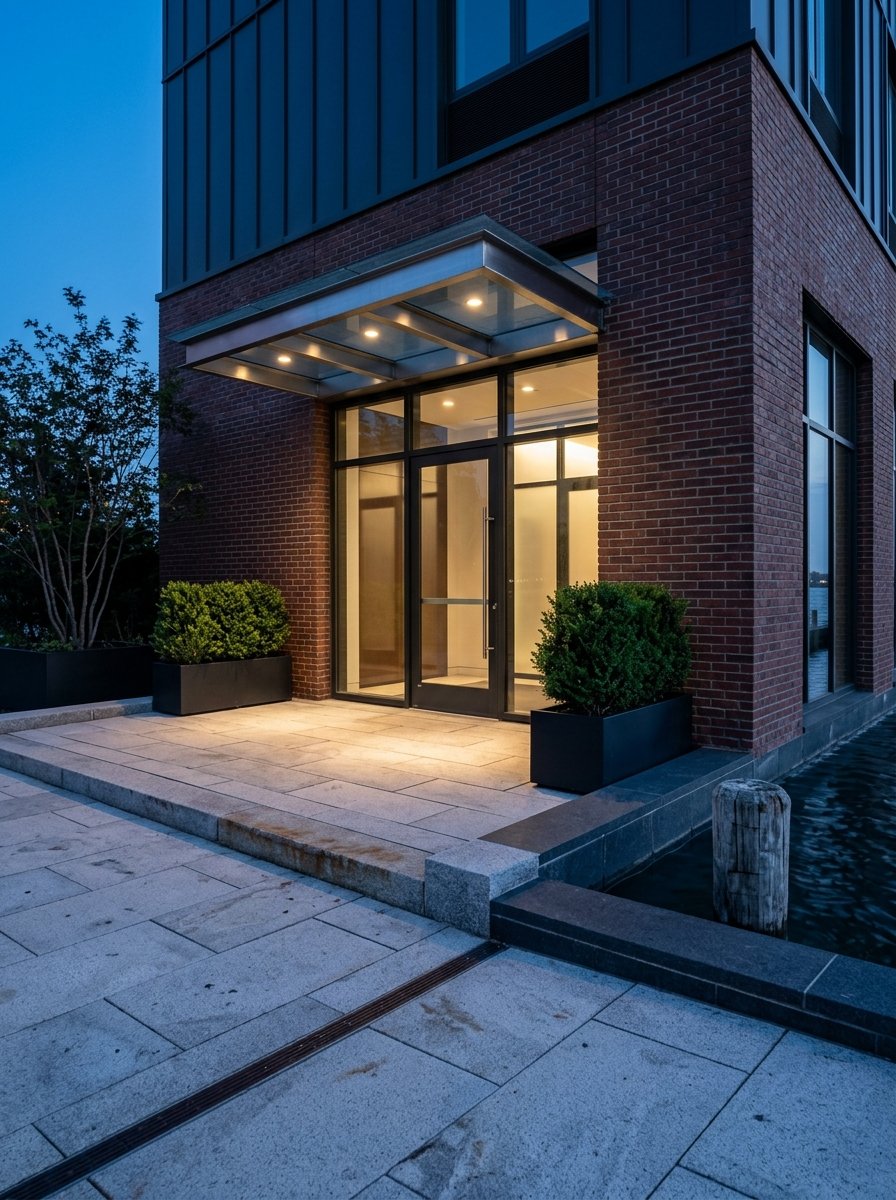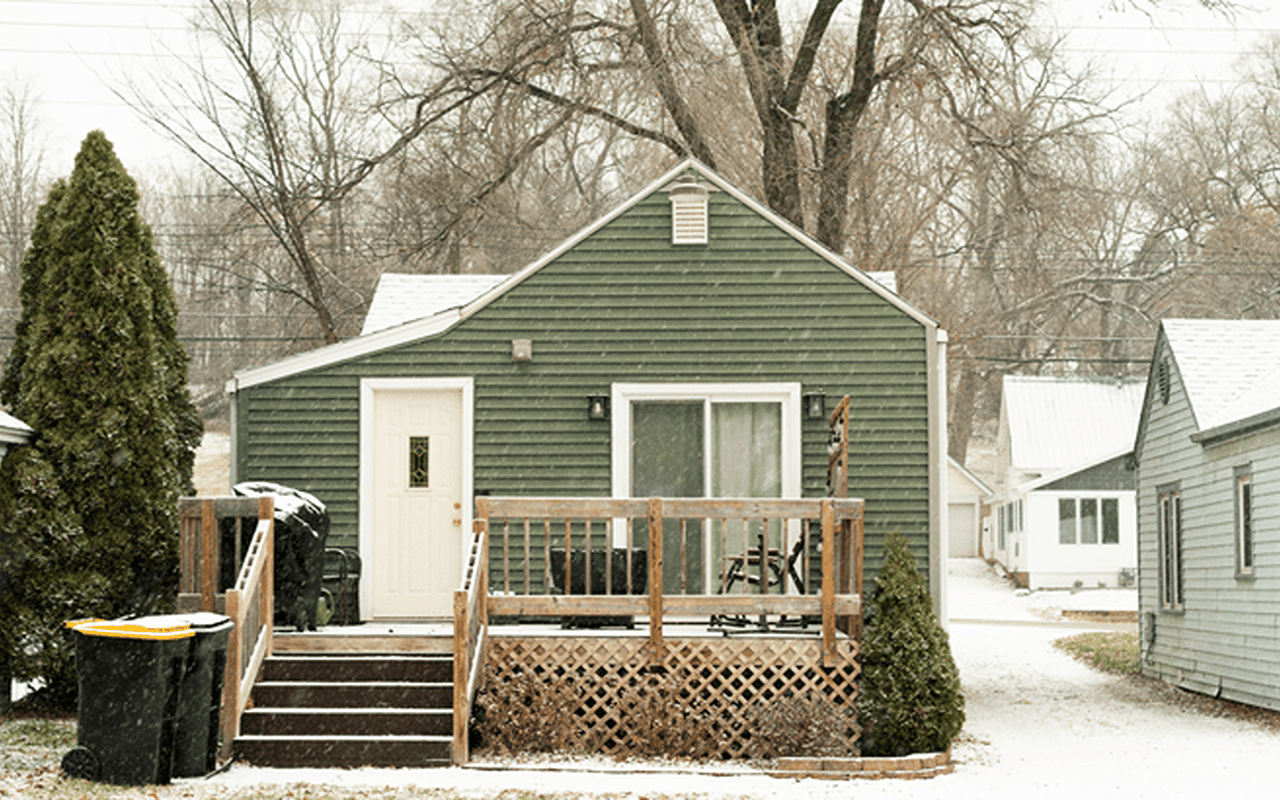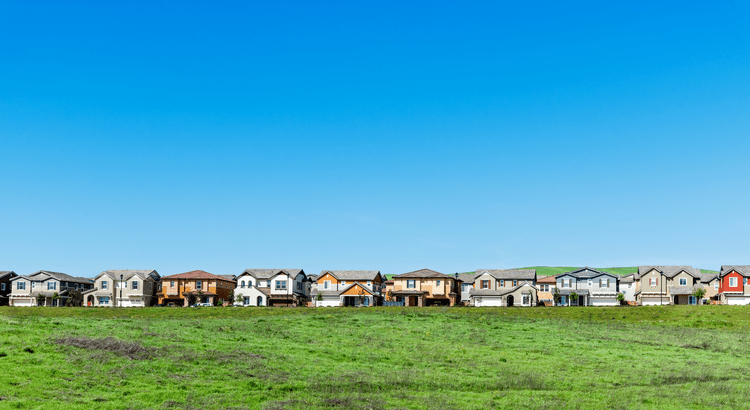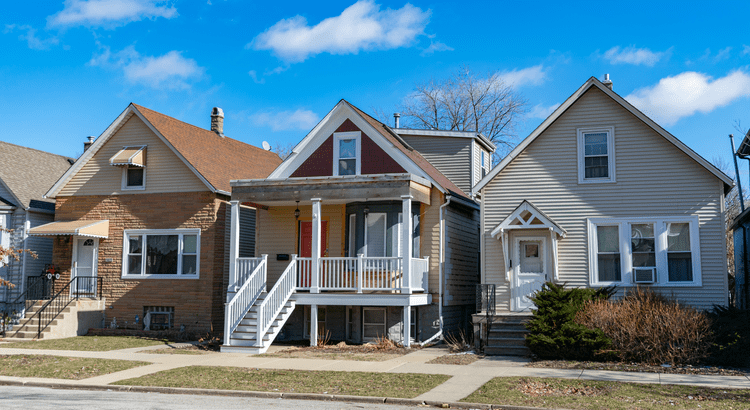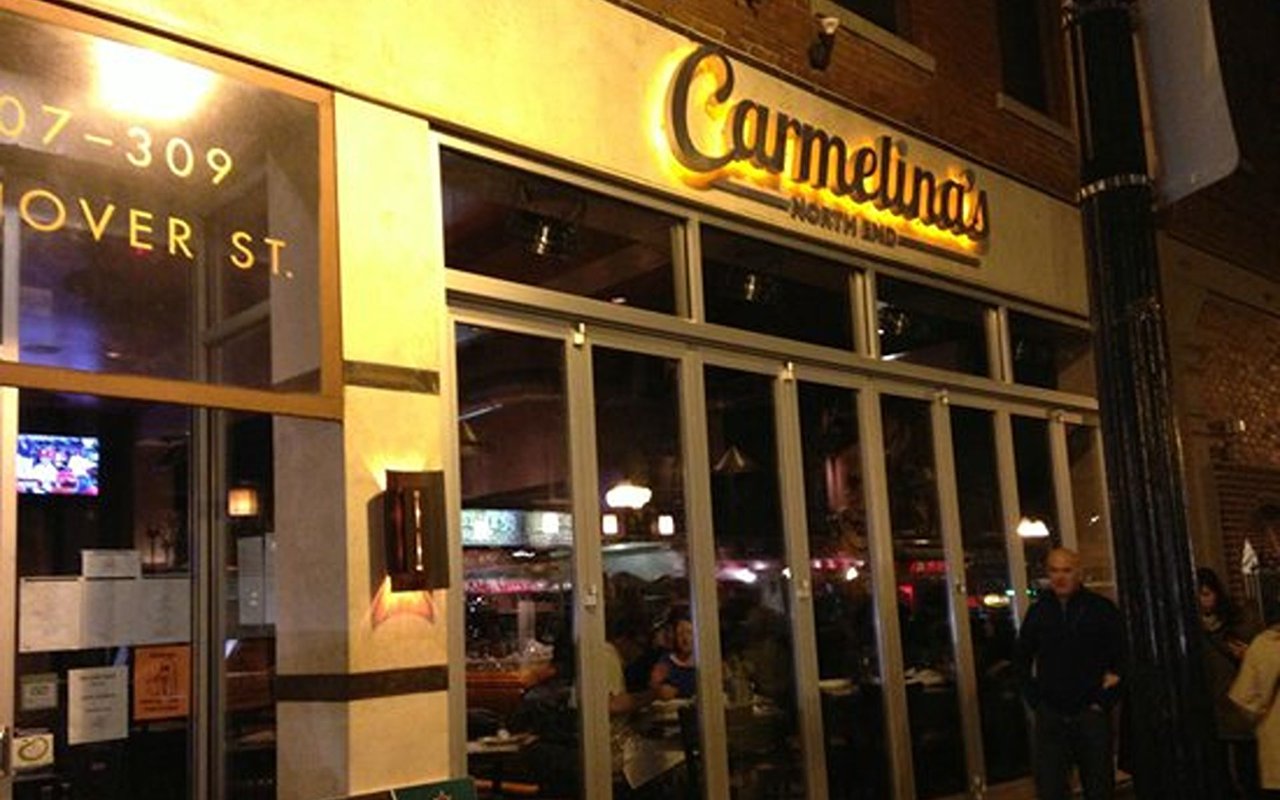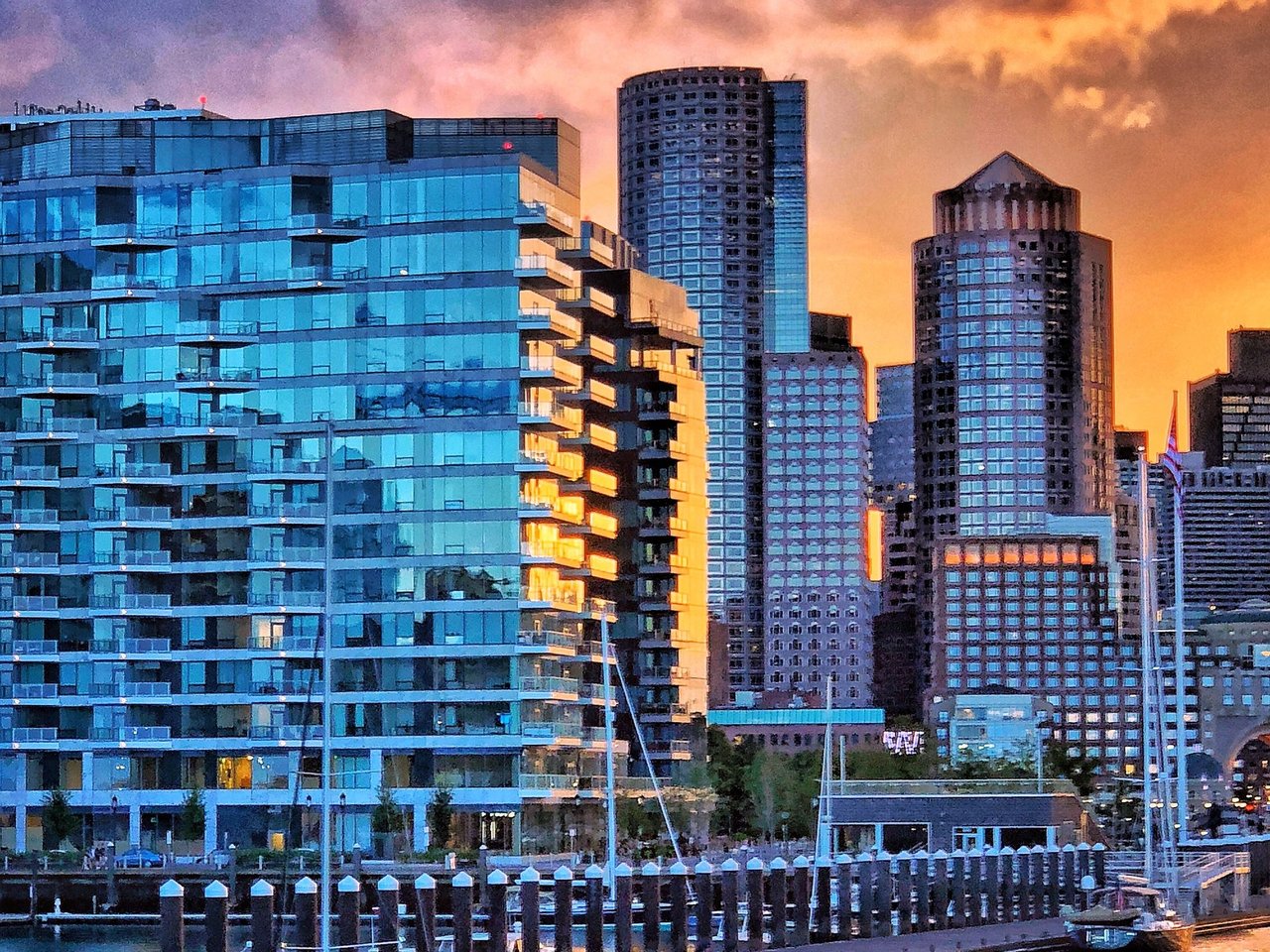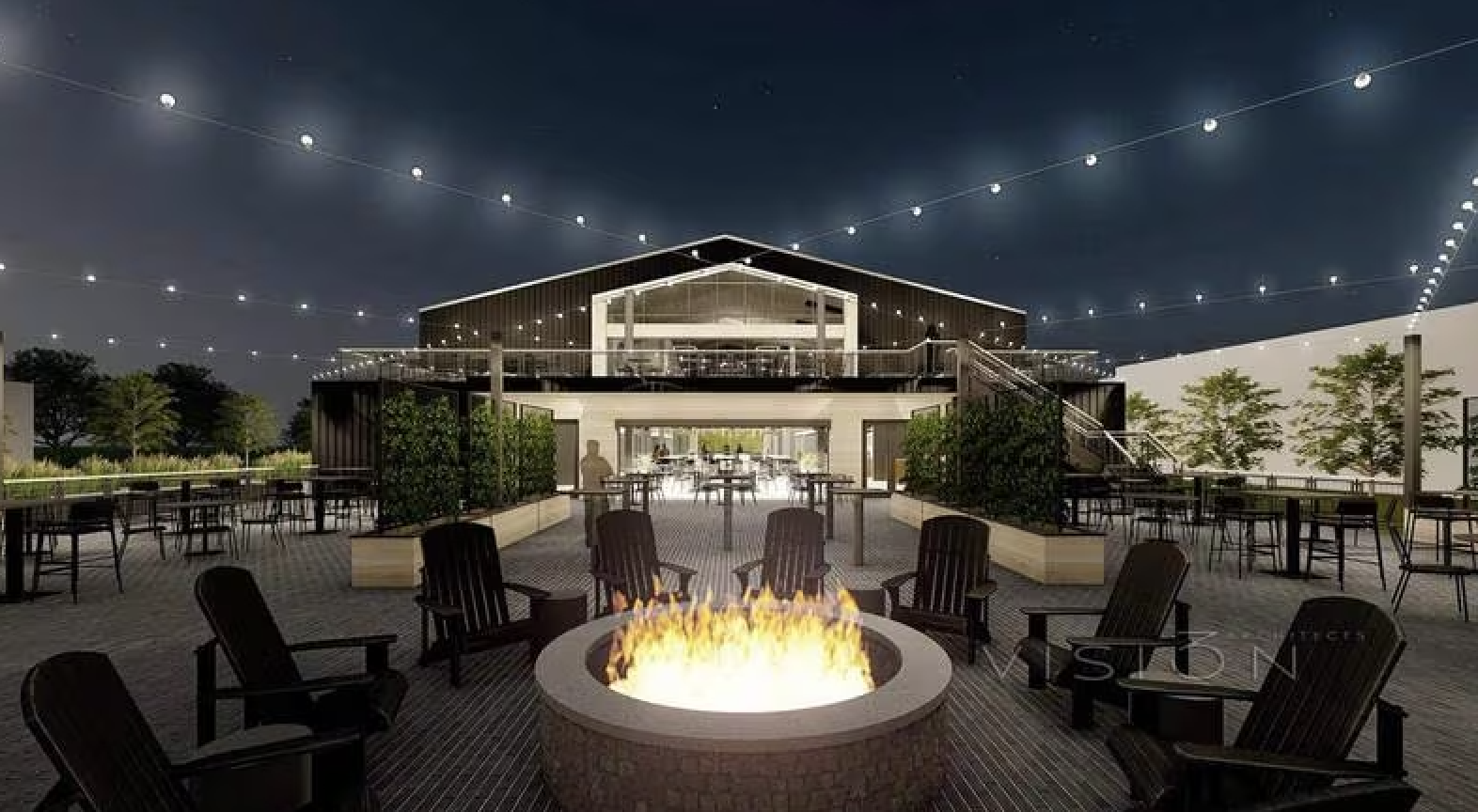
As Universal Hub reported, Boston Licensing Board Chairwoman Kathleen Joyce said in May, "I think you can't compare the Seaport to my neighborhood in Dorchester." She explained why she wasn't willing to let a new restaurant on Fan Pier Boulevard keep its patio open until 11 p.m. Sound travels differently between glass towers than it does between triple-deckers, she argued, and the board capped the closing time at 10 instead.
The restaurant in question was replacing Hook + Line with something called Le Boulevard, a French brasserie with a steak-and-seafood menu from the team behind Grill 23. The Seaport Neighborhood Association's Norm Lind had asked the board to hold the line, and it did. That single hour, granted on a six-month trial with room to petition for more, is a small thing on paper. But it illustrates how the city's licensing decisions balance restaurant operations with residential life in the Seaport.
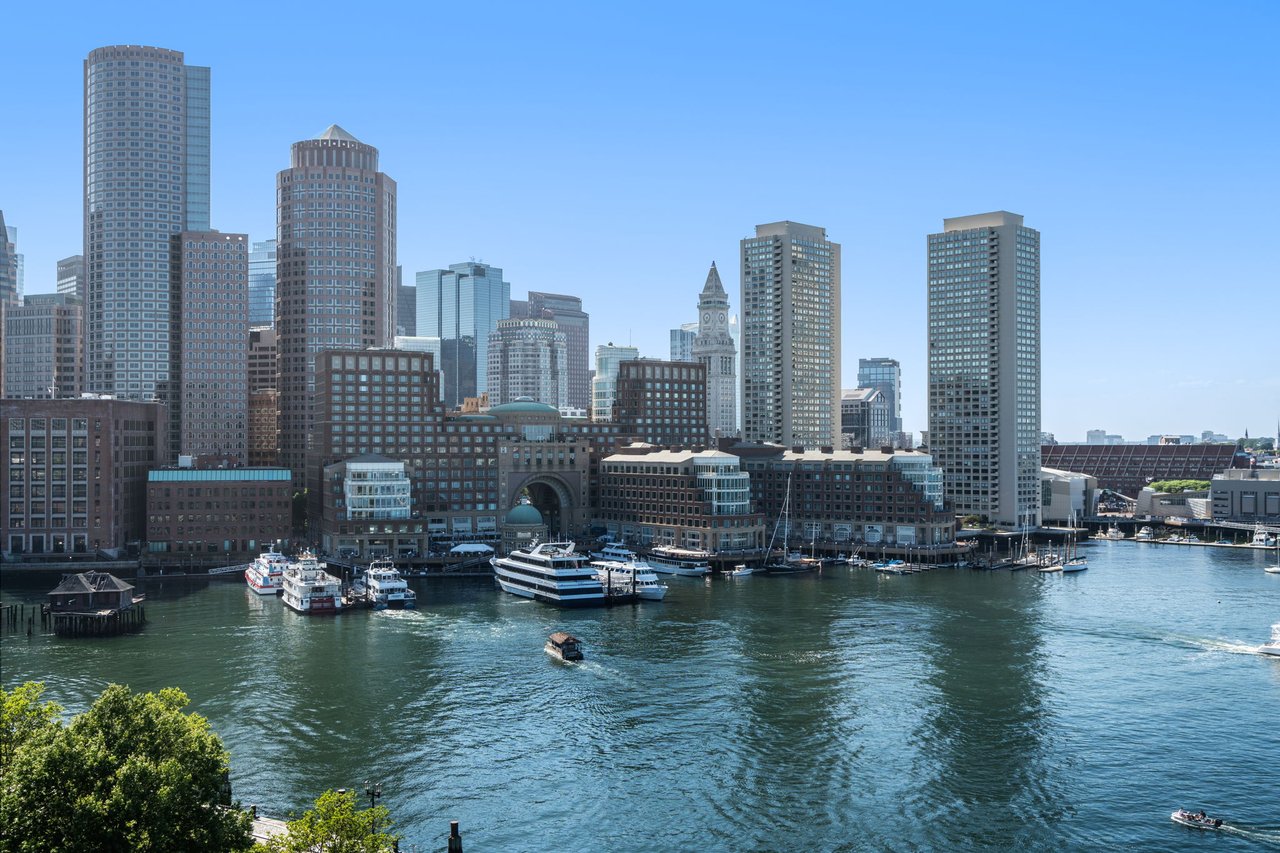
The Seaport is changing on several fronts this month. A century-old pier is reopening with a roster of national dining names, while a patio-hours decision made earlier this year is shaping the terms for a new restaurant three blocks away.
A Landmark Finally Reopens, In Pieces
Commonwealth Pier at 200 Seaport Boulevard opened in 1913 as the center of the American wool trade and later served as a wartime troop landing and cargo hub. Developer Pembroke has spent the past several years turning the historic headhouse into a mixed-use destination, and 2026 is the year the doors actually start opening. The plan includes a new 25,000-square-foot public plaza facing the harbor, an expanded Harborwalk with wider paths and public art, and a phased rollout of retail and dining inside the landmark structure itself.
Here's where that rollout stands as of this month:
| Tenant | What It Is | Status |
|---|---|---|
| Daily Provisions | Danny Meyer's all-day café, known for crullers and breakfast sandwiches | Open since mid-May |
| Ci Siamo | Union Square Hospitality Group's live-fire Italian restaurant, led by chef Hillary Sterling | Opening this summer |
| Salt & Straw | Ice cream chain making its first Boston location | Opening this summer |
| LifeAlive Organic Café | Wellness-focused grain bowls, smoothies, and espresso | Opening this summer |
| Earls Kitchen + Bar | Casual dining chain | Slated for 2027 |
| Museum of American Finance | History museum | Opening this summer |
| Fidelity | New corporate office space | Moving in this month |
LifeAlive's CEO, Bryan Timko, said the Seaport has been the company's "most-requested location from guests for years," which tells you something about how long this pier has been sitting half-used while residents waited for it to catch up with the rest of the neighborhood around it. Tall Ships sailed into the harbor in July as part of the nation's 250th anniversary, timed to coincide with the pier's reopening push, and Fidelity's office move this August adds a daytime population that will lean on all of this retail long before the last tenant signs a lease.
New Restaurants Take Shape on Fan Pier Boulevard
Walk two minutes from Commonwealth Pier to Fan Pier Boulevard and you'll find another cluster of restaurant openings. Maple & Ash, a Chicago import, opened its doors in April. Hawksmoor, another national steakhouse group, is on its way. And Hook + Line, which had been operating at 10 Fan Pier Blvd, is being replaced entirely by Himmel Hospitality Group, the local operator behind The Banks, Bistro du Midi, Grill 23, and Harvest.
Himmel isn't building one restaurant on that stretch. It's building two. Le Boulevard takes the old Hook + Line address with 250 seats and a Parisian menu of steak frites, Dover sole, escargot, and bouillabaisse. Next door at 11 Fan Pier Blvd, the same group is opening Bar 23, a 75-seat spinoff of the Back Bay steakhouse that's been running since 1983. Chef-partner Robert Sisca, who's been eyeing a French concept in the Seaport for years, told The Boston Globe, "steak frites will be huge."
The lineup brings together operators with different origins. Maple & Ash and Hawksmoor are out-of-town groups, while Himmel is Boston-owned and is bringing a spinoff of its Back Bay steakhouse to the Seaport. The openings add both local and national operators to the neighborhood.
A Patio Hearing Reflects a Changing Neighborhood
The licensing hearing over Le Boulevard's patio also reflects how restaurant operations and residential concerns intersect. As Universal Hub reported, Joyce told the room she's "at the intersection of dealing with every single noise complaint" coming out of the Seaport, and that it isn't always about decibel readings. Sometimes it's the pitch of a voice and how it carries off a window. That's a very specific kind of complaint, and it only exists because there are now enough people living above these restaurants to make it.
For years, the Seaport's growth story was almost entirely commercial: office towers, hotel rooms, a convention crowd. The residential population has caught up faster than most people tracking the neighborhood from the outside probably realize, and this hearing is the clearest public proof of it. The board didn't reject Le Boulevard's patio outright. It gave Himmel a 10 p.m. cutoff with the option to come back in six months and make the case for later hours once they've shown they can run the space without bothering the neighbors. That's an example of how the city weighs residential concerns in licensing decisions.
What Residents Are Already Doing With Their Saturdays
None of this is news to anyone who's actually been living through a Seaport summer, because the neighborhood has its own rhythm that has nothing to do with which steakhouse opened last. A few fixtures worth knowing if you haven't caught them yet:
- Seaport Summer Market runs every Saturday from 11 a.m. to 6 p.m. through September 26, now staged at Seaport Common on Northern Avenue after relocating from its previous Seaport Boulevard spot. More than 40 vendors show up each week, mostly local, women- and minority-owned businesses, with a rotating lineup that means this Saturday's market looks different from last week's. The Fort Point Artists Community runs an instrument petting zoo alongside it through September 19. The next two sessions this month land on August 22 and 29.
- The Grove at the Lawn on D keeps a nightly calendar that includes DJ sets, a Thursday live-band karaoke night called Five Minutes of Fame, and the Kaleidoscope Garden light installation that stays open whenever the lawn is open, no ticket required.
- Seaport Sweat, now in its eleventh year, brings free outdoor workouts to the neighborhood, sponsored by Mass General Brigham Health Plan and NOBULL, making it one of the longer-running community fixtures in a part of town where most things are still new.
These aren't things a restaurant group built to draw headlines. They're the parts of the Seaport that residents built or adopted for themselves, and they're the reason this neighborhood feels like more than a collection of construction cranes even in a summer this full of grand openings.
Two Seaports, Running at the Same Time
The pier reopening and the patio-hours decision show two sides of the Seaport's current growth. One is about new dining brands and operators, including national names and out-of-town steakhouse groups, opening in the neighborhood. The other is about the Licensing Board setting patio hours while considering residential concerns.
Both developments are part of the Seaport's ongoing evolution. The patio hearing put residents' concerns about restaurant hours into the public record, alongside the area's continued commercial and residential growth.
If you're watching the Seaport from the outside and wondering whether it's still a neighborhood in progress or one that's arrived, this is your answer: it's both, at the same time, which is exactly what a real neighborhood in the middle of becoming itself looks like.
Whether you're already living in the Seaport, watching it from a distance, or thinking through what a move into or out of this waterfront market might look like for you, The David Green Group knows this neighborhood block by block, license hearing by license hearing. Contact Us to talk through what's actually happening here, and what it means for you.