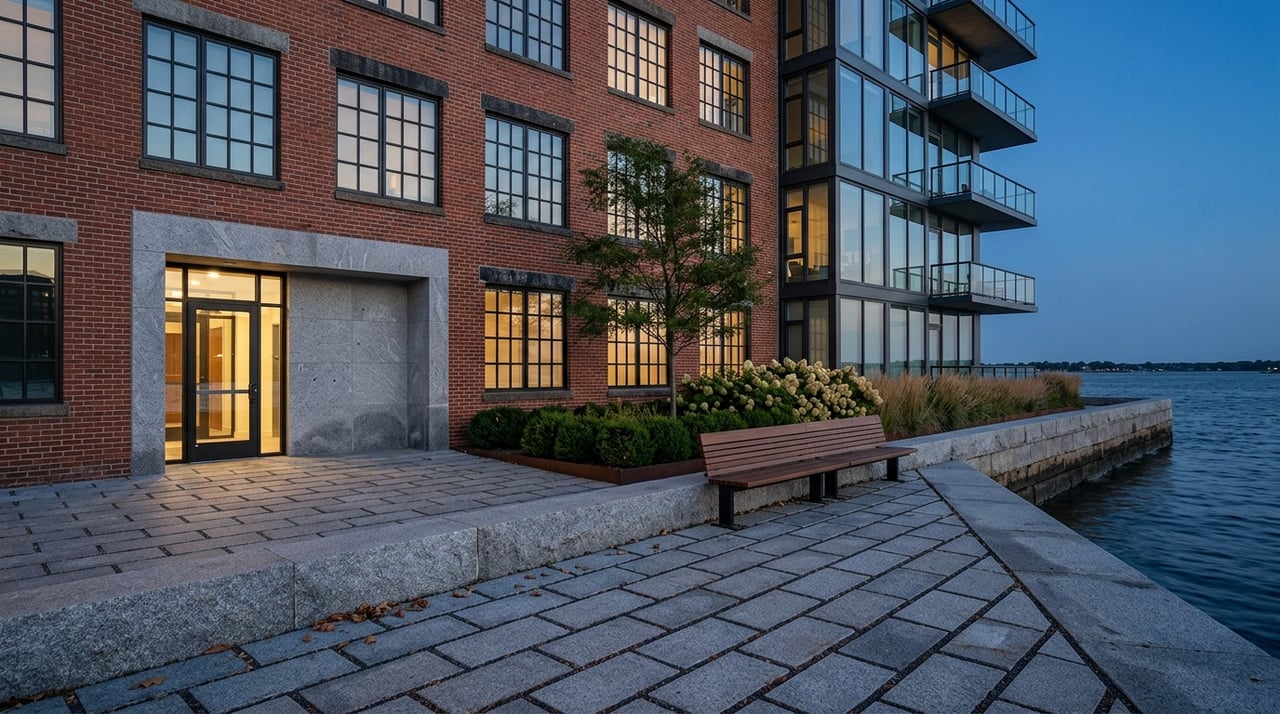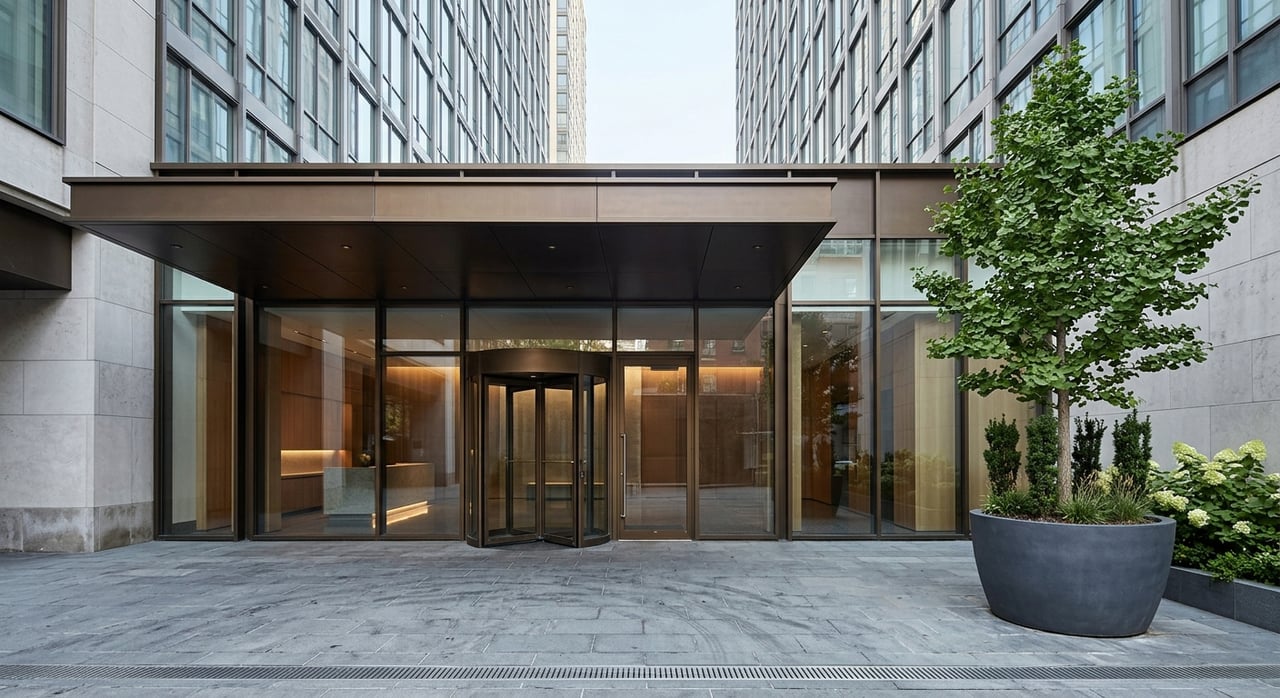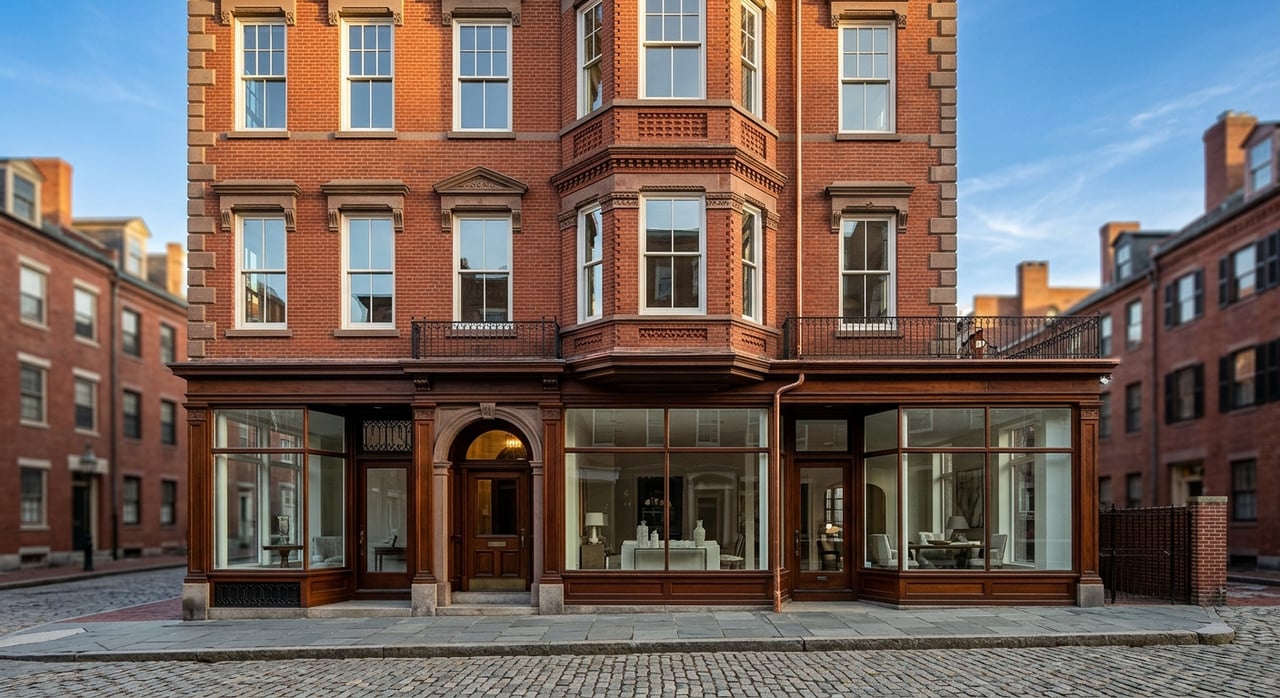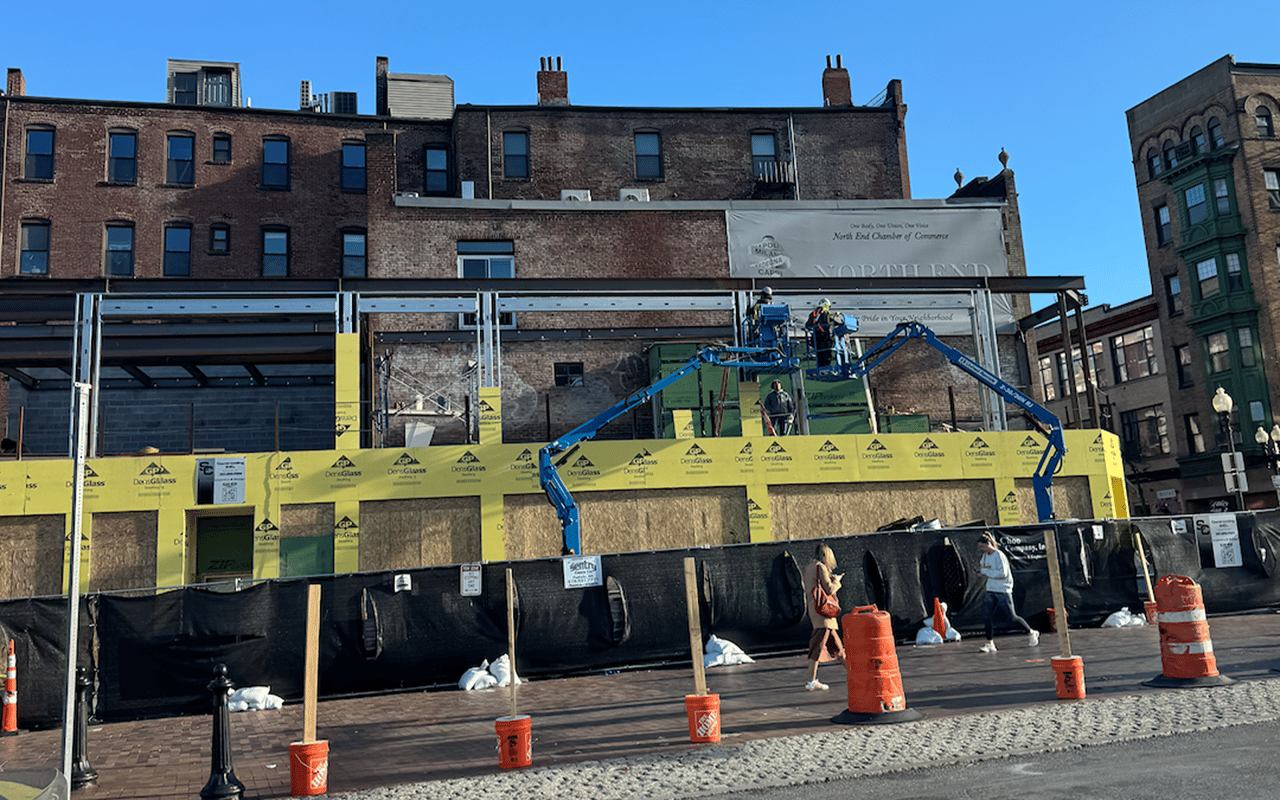
Ask what a North End condo costs and the honest answer is that it depends on which few weeks you're asking about. As of March 2026, the neighborhood's median home price stood at $904,950. Look back a little further and the number moves a lot: one source had the North End median at just $786,000 in August 2025, a swing of well over $100,000 in roughly seven months. A separate tally of closed sales running year-to-date through early June 2026 put the average condo sale at $838,000 across just fifteen closings, down from $956,000 over the same stretch a year earlier. None of these numbers is wrong. They're all measuring the same small patch of brick and cobblestone. The problem is that the North End sells so few condos in any given stretch that one closing at a converted wharf building can swing the average by tens of thousands of dollars, and one market report even flags this directly, noting that its own periodic price spikes trace back to closings at large luxury buildings rather than any real shift in the neighborhood's baseline value.
If you're comparing the North End against other Boston neighborhoods on a spreadsheet, that volatility should worry you more than the headline number itself. A median built on fifteen or twenty transactions a year isn't a market signal. It's closer to a coin flip that happened to land on a number. What actually determines whether a specific unit is fairly priced has almost nothing to do with the citywide or neighborhood-wide median and almost everything to do with three variables that never make it into a listing headline: how the parking works, what kind of historic designation the building carries, and how healthy the condo association's reserve fund actually is.
Parking Is Not an Amenity. It's a Separate Asset Class.
Start with the thing every North End buyer asks about in the first showing. Parking here isn't a convenience feature bundled into the price of a condo the way a dishwasher is. It's a distinct asset with its own value, its own risk profile.
The City of Boston issues resident parking permits at no cost to anyone who can prove Boston residency and register a vehicle at their North End address. Free sounds good until you look at supply. Curb space is fixed by streets that were laid out for foot and cart traffic long before anyone owned a car, while the number of eligible permit holders keeps climbing with every unit sold. The city isn't expanding the program to relieve that pressure either. As of mid-2026, Boston's parking clerk still isn't accepting petitions for new resident parking permit zones anywhere in the city.
That scarcity gets rationed two ways: by search time if you're circling the block at 11 p.m. hoping someone pulled out, or by price if the unit you're buying comes with a deeded space. A deeded space commands a real premium at purchase. A leased or assigned space through the condo association is more common in newer construction, which makes it a fundamentally different asset even when it looks identical on a walkthrough.
Here is the part that doesn't show up in any median price calculation: two North End condos can list at the same number and represent completely different purchases once you account for parking.
| Unit with deeded garage space | Unit with no dedicated parking | |
|---|---|---|
| Parking security | Deeded space | Resident permit only, subject to street competition |
| Resale flexibility | Space can add resale value | Buyer inherits the same permit competition you did |
| Ongoing risk | Access disputes noted in HOA minutes | Towing during moving-day or construction signage, street competition |
| What the sticker price hides | A scarce, semi-liquid asset baked into the number | A monthly search-time cost the listing never quantifies |
Before you compare two units on price per square foot, find out which column each one belongs in.
"Historic" Doesn't Mean What Most Buyers Assume It Means
The second variable buyers routinely get wrong is historic status, and the confusion costs real money on renovation timelines. Many North End buildings, including former industrial and wharf conversions, carry National Register of Historic Places status. That designation is largely honorific. It can open the door to certain tax credits.
Local historic district designation is a completely different regulatory animal. If your building sits inside one of the city's designated local historic districts or carries individual landmark status, the Boston Landmarks Commission has to review and approve exterior changes before you can pull a building permit. That includes windows, porches, decks, and in some cases HVAC equipment that affects how the building looks from the street. Design review hearings happen once a month, and NE Building Supply says applications generally need to be filed at least fifteen days ahead of the hearing date.
None of this shows up when you're touring a beautifully converted loft with exposed brick and cast iron detailing. The building might be a National Register darling with zero local design review requirements, or it might sit inside a boundary that adds a real, recurring approval step to every exterior project you ever undertake. The only way to know is to ask, specifically, whether the address falls inside a local historic district and not just whether it "has history," because in the North End almost everything does.
Reserve Funds Are the Number the Listing Photos Never Show You
The third variable is less glamorous and more important than either of the first two. Old buildings need money set aside for things that eventually break: roofs, boilers, facades, elevator retrofits in the rare buildings old enough to need one added. That money sits in a reserve fund, and how full it is tells you more about your real cost of ownership than the sale price does.
Buyers should be reading HOA meeting minutes for any mention of disputes over parking access, upcoming garage repairs, or planned assessments before they get emotionally attached to a unit. Lease terms that changed recently and often are the kind of details that never appear in a listing description but show up fast once you're the one paying the bill.
If the reserve study, the HOA budget, and the master insurance certificate aren't part of your due diligence before you write an offer, you're pricing the unit off the same unreliable median everyone else is arguing about.
What This Actually Means If You're Comparing Neighborhoods
None of this is an argument against the North End. It's an argument against using its median price the way you'd use a median price in a larger, more liquid market like Back Bay or the Seaport, where enough transactions happen that the number carries real statistical weight. In a neighborhood this small, with this much variation in building age, parking structure, and historic status, the median is a starting point for a conversation, not a number you can budget against.
If you're weighing a North End purchase against another Boston neighborhood, the useful comparison isn't "$838,000 average here versus a Back Bay median north of $1.9 million as of early 2026." It's asking the same three questions of every unit you tour, regardless of neighborhood: is the parking deeded or contingent, does the building's historic status trigger mandatory design review or not, and what does the reserve fund actually look like right now. Those answers move the real price of a unit by tens of thousands of dollars in either direction, and they're the reason two condos with identical list prices can be very different purchases.
Frequently Asked Questions
Does every old building in the North End require historic design review before renovation? No. Only properties inside a designated local historic district or carrying individual landmark status face that requirement, and it's worth confirming which category a specific address falls into before assuming either way.
Are North End resident parking permits guaranteed to get you a spot? The permit itself is free and grants eligibility to park in resident zones. The city currently isn't accepting petitions to expand resident permit zones.
What should I ask for before making an offer on a North End condo? Beyond the standard inspection, ask specifically whether any parking is deeded or association-assigned, request the HOA's reserve study and recent meeting minutes, and confirm the building's historic designation status directly rather than assuming based on age or appearance.
Every one of these questions has a different answer depending on the building, which is exactly why a citywide or neighborhood-wide median can't answer them for you. If you're weighing a North End purchase against other Boston neighborhoods, or trying to figure out what a specific listing's price actually buys once parking, historic status, and reserve health are accounted for, The David Green Group can walk through the specifics with you before you write an offer.
This article is general information, not legal, tax or financial advice. Consult a qualified professional about your situation.